
Automatic watches blend traditional craftsmanship with self-winding technology. For many watch enthusiasts, they offer a perfect balance of elegance and engineering. Unlike battery-powered quartz watches, automatic timepieces function through the energy generated by your own wrist movement — no battery required.
In this guide, we’ll explore what automatic watch movements are, how they work, their different types, pros and cons, expected lifespan, accuracy, care tips, and how to find the right movement for your build or repair project.

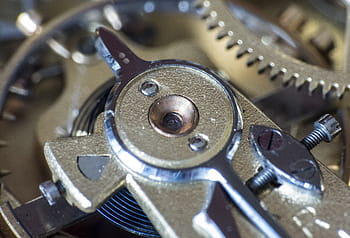
An automatic watch movement, also known as a self-winding mechanical movement, is a type of mechanism that winds itself while being worn. Inside the watch is a semicircular rotor that spins as your wrist moves. This motion winds the mainspring — a tightly coiled metal strip that stores energy and powers the gear train.
Because of this clever design, automatic watches don’t need batteries to function. As long as you wear the watch regularly, it will keep running. If left unworn for too long, it may stop, but you can restart it by giving it a few manual winds or simply wearing it again.
Many automatic watches also support manual winding for added flexibility.
All watches fall into one of three movement categories:
Automatic and manual movements are often grouped under mechanical watch movements, while quartz represents the electronic, battery-driven category.
Here’s a quick comparison to highlight the key differences between automatic and quartz movements:
Aspect | Quartz Movement | Automatic Movement |
Power Source | Battery | Rotor powered by wrist movement |
Accuracy | Very high — ±15 sec/month | Moderate — ±5 to 15 sec/day |
Maintenance | Low — battery every 1–2 years | Higher — service every 5–10 years |
Movement Style | Ticking second hand | Smooth sweeping second hand |
Craftsmanship | Practical and modern | Artistic and traditional appeal |
Quartz watches are excellent for precision and convenience, while automatic watches appeal to those who value heritage and mechanical beauty.
With proper care, a quality automatic watch movement can last 20 to 50 years or more. In fact, many well-maintained watches from the 1960s and 70s are still keeping accurate time today.
Lifespan depends largely on usage habits, environmental conditions, and whether regular servicing is performed. Key maintenance actions include:


Just like a car engine, the more you take care of it, the longer it runs.
Power reserve refers to how long your watch runs once it’s fully wound and not in motion. Most automatic movements offer between 36 and 80 hours, depending on design.
Understanding this helps avoid confusion when your watch stops overnight. For example:
If you don’t wear the watch daily, consider winding it every few days to keep it running.
Automatic movements don’t display an obvious service alert, but watch for these signs:
For best performance, most automatic watches should be serviced every 5–10 years, even if there are no visible issues.
Want your automatic movement to last for decades? Follow these essential care tips:
Sofly Parts offers high-quality watch movement components and accessories to help maintain your watch’s peak condition.
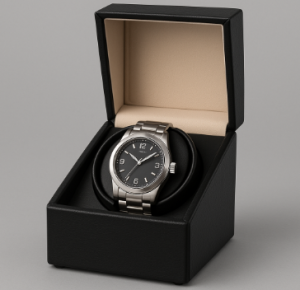
Not everyone does. But a watch winder can be helpful if:
However, for single-watch owners who wear their piece daily, your wrist is already doing the job. If you store your watch long-term, wind it manually every few weeks.
Mechanical watches aren’t quartz-accurate — and that’s okay. Here’s what to expect:
If your watch regularly gains or loses more than 1 minute/day, it may need regulation or servicing.
Here are some of the most trusted automatic calibers used in builds and repairs:
Browse Sofly Parts for premium automatic watch movements for sale — with verified specs and global shipping.

Automatic watch movements are more than timekeeping devices — they’re living machines. They reflect human craftsmanship, mechanical ingenuity, and a timeless connection between the wearer and the watch.
Though they require more attention than quartz watches, the emotional reward is far greater. Whether you’re collecting, building, or restoring, understanding the heart of an automatic watch enhances your appreciation for it.
Need movement parts, replacements, or tools?
Explore Sofly Parts — your trusted source for automatic watch movements, repair supplies, and horology expertise.