
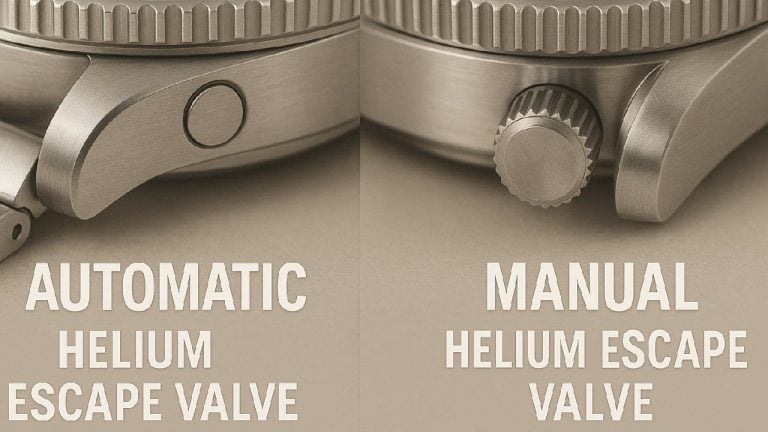
When it comes to dive watches, they are equipped with a special feature, “Helium Escape Valve” (HEV). It is a small, crown-like component that operates in both automatic and manual modes. When used in deep water, the HEV provides an escape path to a helium mixture or particles from the watch. If not, the watch may be damaged through the seals due to the overpressure of helium atoms.
Omega’s Seamaster Professional Line, a renowned brand in the watch industry, also features a Helium Escape Valve. This series specifically belongs to the category of professional divers or those working underwater for a longer time. But you know what? There is a myth behind the existence of HEV in this watch series regarding its usefulness. What are the real facts and figures behind this?
In today’s discussion, we will thoroughly analyze the debate to determine whether the Helium Escape Valve in the Seamaster Professional Line is really useless or not. Let’s start from A to Z and solve this myth.
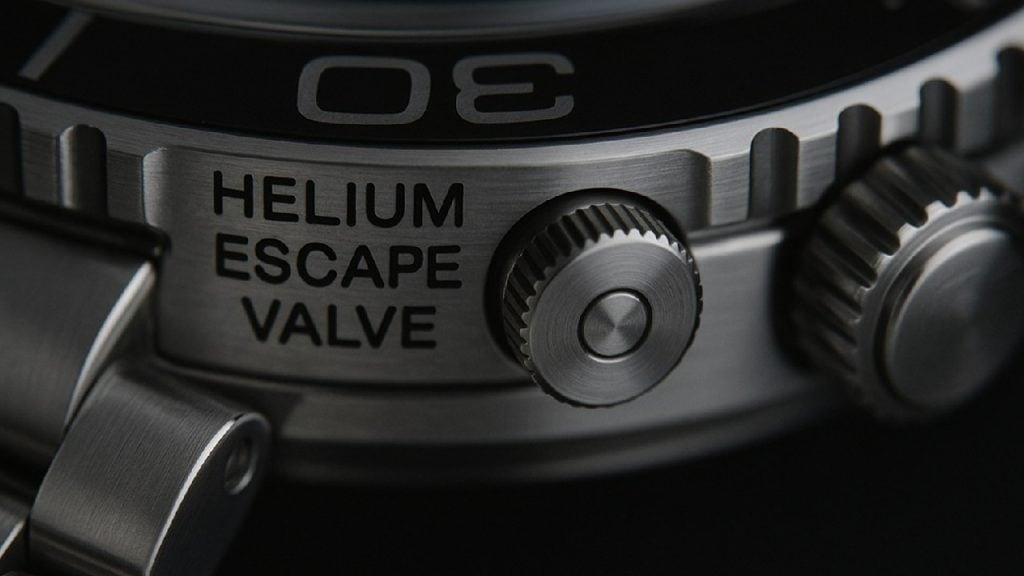
A Helium Escape Valve (HEV) is a specialized system installed in dive-grade watches to assist in releasing the excess pressure (helium molecules) from the watch. In simple terms, when a professional diver descends into water and spends more time there than usual, the helium and other small gases enter the watch, resulting in excess pressure buildup.
It requires a smooth releasing path for the pressure to get out of the watch; the helium escape valve activates its operation here and provides a one-way releasing path for helium molecules and other gases. Otherwise, there are maximum chances that seals of the watch may get damaged, or the watch crystal may break up into pieces or cracks.
The 1960s were a time when watchmakers devoted their entire attention to creating a solution for professional divers’ watches. Because it was becoming a common problem that watches were inhaling helium molecules, building pressure, and getting damaged, as there was no escape path for these molecules after they entered the watch.
Here, Rolex and COMEX collaborated to develop a new solution, later known as the Helium Escape Valve (HEV), in 1967. It worked efficiently for most watches to release the helium pressure from the watch. Soon after that, other watch makers, including Rolex and Omega, also equipped their dive-grade watches with this invention.
Over time, the HEV feature became almost a standard feature for every mid to high-end dive-grade watch. In the current times, there is practically no use of HEV in watches; instead, it has become a symbol of standard, tradition, and style. It has also raised questions about the existence of HEV in watches and has become an ongoing debate.

As known by its name, automatic, this HEV gets activated when a pressure build-up exceeds a certain limit. Watches featuring automatic HEV do not require human contribution to activate their operations. Automatic HEV features a spring-loaded valve that opens to release the pressure when needed..
The manual HEV is basically a crown-like button installed on the side of most watches. To activate its operations, an individual needs to unscrew the valve manually. So it will start releasing the built-up pressure from inside the watch. If the user forgets to unscrew the HEV, the consequences may include a damaged watch crystal.
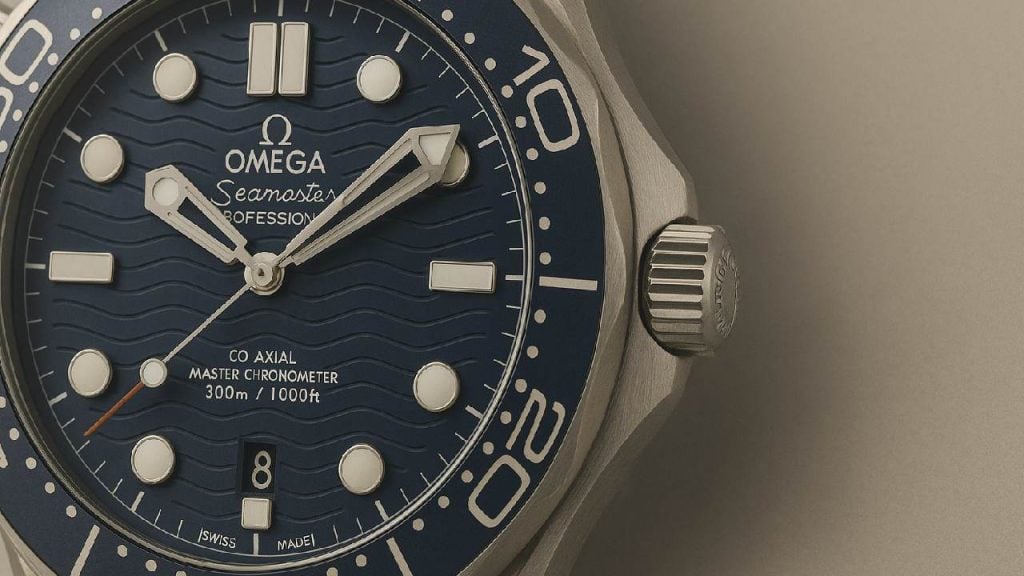
According to the brand’s claims, the Seamaster Professional Line is designed for divers who require the reliability of Helium Escape Valve operations. This series features extreme bearings for the toughest diving conditions. Moreover, the brand became iconic when Pierce Brosnan wore the Seamaster 300M Professional with HEV in the James Bond movie. So, it has become a symbol of standard as well as tradition.
The latest Seamaster Professional Line models still feature Helium Escape Valve (HEV). It is based on manual plus automatic functionality. Simply, HEV is a practical feature for professional saturation divers (if they use it), and a symbol of design and standard for the common individuals using the Seamaster Professional Line. But in the end, the company is still using this feature in the Seamaster Line.
According to user reviews and real-time experiences, the obvious answer is yes; the Seamaster Professional Line HEV feature is indeed a useless addition. You could be amazed by this answer, but in actuality, yes, HEV in the Seamaster series is nothing. This answer is based on the reviews of Seamaster Series users, and 99% of them agree that it is useless. The following are the reasons why it is futile.
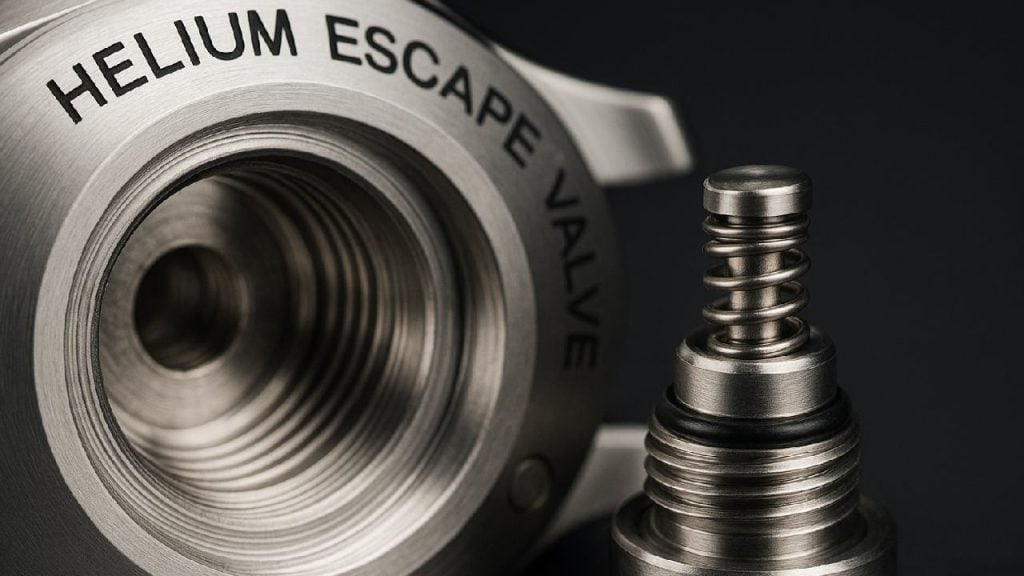
As a whole, the HEV feature remains a functional feature in the Seamaster Professional line of watches. But in reality, the majority of users or Omega fans just consider it a useless thing in the watch. There are both positive and negative aspects involved, with the positive ones benefiting the brand, while the negative ones affect the users.
The Helium Escape Valve itself is a useful feature or component present in the watch. It efficiently eliminates the impact of helium molecules and other tiny gases or particles inside the watch. But it meets the requirements of a very specific category of users. A normal individual does not have any benefit from the presence or absence of HEV. The same is the case with the Omega Seamaster Professional Line Watches. Some users consider it a symbol of heritage, some people still think it is useful, but for the majority of users, it is just a useless addition, especially in the current times. On the other hand, the company still releases new models carrying the Helium Escape Valve.
Apart from the above discussion and argument over the presence of HEV in the Seamaster series. We have some good news for our new readers and customers, Soflypart is offering a huge and quality variety of watch movement parts, watch polishing kits, watch repairing kits, and many other watch parts.