
No matter how many premium features a watch has, if it lacks safety features, the watch components may be easily damaged. Several small components inside the watch are prone to sudden impacts, drops, and vibrations. Here comes into play the role of the shock resistance safety feature, which acts as a shield to prevent the internal damage of watch components. The shock resistance mechanism safeguards against physical damage, protects watch movement parts, and ensures the durability and longevity of the watch.
In today’s content, we will describe the role of shock resistance in watches. How is the shock resistance feature tested? Similarly, what are the common myths about the shock resistance in watches? Let’s start!
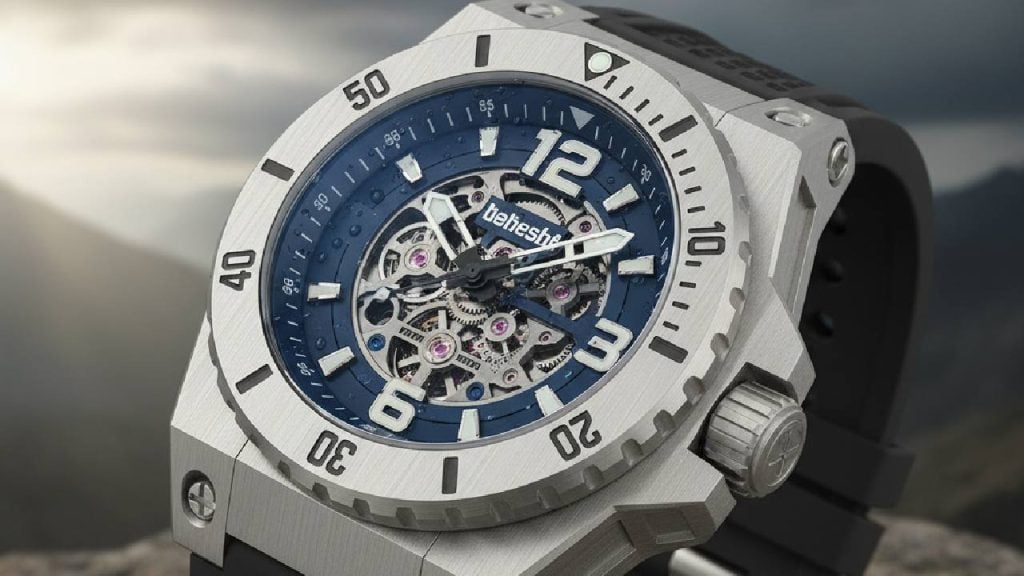
Shock resistance is a safety feature in watches that ensures the watch’s protection against physical damage, such as sudden drops, impacts, pressure, vibration, and other forms of shock. Resistance against these impacts keeps the watch movement and its parts secured. This safety results in offering the watch longevity, reliability, and durability.
Typically, shock resistance features vary depending on the type and category of the watch. Mechanical watches are more prone to shocks, so they use a spring-based protection system. In quartz watches, manufacturers use protective cases and watch crystals to protect the movement. Similarly, in smartwatches, manufacturers use electronic cushioning to safeguard components.
Mechanical Watches: The components, such as gear series, springs, and balance wheel, are highly sensitive to shocks and impacts. Manufacturers implement different protection mechanisms, including ncabloc, KIF, Diashock, or Paraflex, to safeguard the mechanical watch. This mechanism controls the spring-mounted jewel movement, making it able to resist shocks.
Quartz Watches: As we know, quartz watches include less sensitive components compared to mechanical watches. So managing the shock resistance is comparatively easy in quartz watches. Manufacturers ensure the use of shock-absorbing casings and crystals in their watches to secure the circuit board. The latest quartz watches also utilize resin suspensions to absorb shocks.
Smart Watches: As smartwatches have proven to be highly advanced, they utilize sophisticated safety features to ensure shock resistance. Smartwatch manufacturers use electronic cushioning, sapphire crystals, steel, and titanium materials to ensure the safety of the screen, body, and internal sensors. Military-grade standards are also incorporated into smartwatches to enhance their durability and reliability.
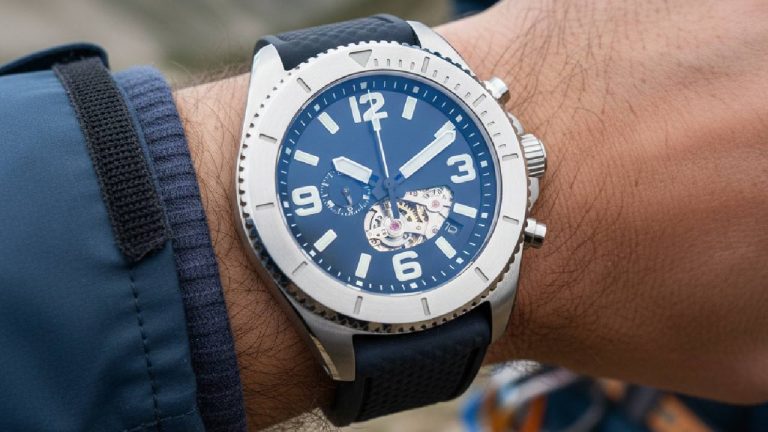
The Incabloc System was introduced in the 1930s and remains the most widely used protection system worldwide. This system is based on a lyre-spring, which holds the movement of the jewel bearing once a shock or impact occurs. After that, the jewel returns to its normal position. This system is primarily used in Swiss watches, such as those by Omega, Longines, and Tissot.
The KIF System is one of the most premium protection systems used exclusively in high-end and luxury watches. It also includes a spring safety system to control the movement of jewel bearings. It guarantees the protection of the balance wheel in the event of a shock or impact. The KIF system features an efficient protection performance and is compatible with sophisticated mechanical watches.
Seiko basically developed the Diashock protection system and has proven to be a remarkable system in mechanical movements. Similar to the systems mentioned above, Dishock also uses spring-mounted jewel bearings. It bears and manages the shocks efficiently without any conflict with the watch movement parts. Presage and Prospex are well-known Seiko models that utilize this safety system.
In 2005, Rolex introduced the Paraflex safety system in its watches. Its working mechanism is also based on a spring system protecting the balance wheel. Compared to the traditional protection system, Paraflex has 50% more ability to bear and resist shocks. When it comes to known models, the Explorer and Submariner utilize the Paraflex protection system within them.
ETA Swatch Group mainly introduces this security system. Etachoc is typically found in mid-budget watches, relying on a spring-based system to handle the jewel movement during shock. As a result, the balance wheel balance pivots remain safe from the effects of shocks and other damage. Regarding utilization, it is found in ETA movements across mid-range Swiss brands.
Citizen introduces this shock safety solution. It is used in both of their renowned mechanical and automatic watches. The operational mechanism of the Parachock system is nearly identical to that of the Diashock system. It also uses spring-mounted jewel bearings to mitigate shock impacts and protect the balance wheel staff. As a result, the watch movement remains safe from wear and tear.
This system is introduced by Casio, specifically for its watches of the G-Line series. You know what? Instead of a spring-based jewel system, the G-Shock system features a multi-layered case, combined with resin cushioning. This protection system possesses sufficient capabilities to withstand shocks, impacts, and vibrations without compromising the internal components or movement.
NOTE: The Shock Resistance Test on Watches is performed at the manufacturer’s level by experts following all the international rules and regulations.
In the drop test, the watch is dropped from an approximate height of 1 meter on a hard surface. After the drop, the watch should function normally as it did before. The watch movement, watch hands, dial, and other components should remain safe. If not, the watch will fail in the drop test.

In the hammer impact test, the watch gets hit by a hammer. This impact is tested on various selected points to evaluate the shock-bearing capability of the watch. As a result, the watch should not have any visible or internal damage to components.
The vibration test is performed to check the accuracy of the watch movement parts. During the test, the watch is placed on a vibrating machine that operates at various frequencies and speeds. The watch operations should not be impacted by any level of vibration, and hands, gears, or screws should remain intact.
In the final phase, the function and accuracy test is performed, where the watch is examined in detail to check any impact of the above-mentioned tests. The time difference of a few seconds is bearable, the other parts should be in working condition without any compromise of impact.
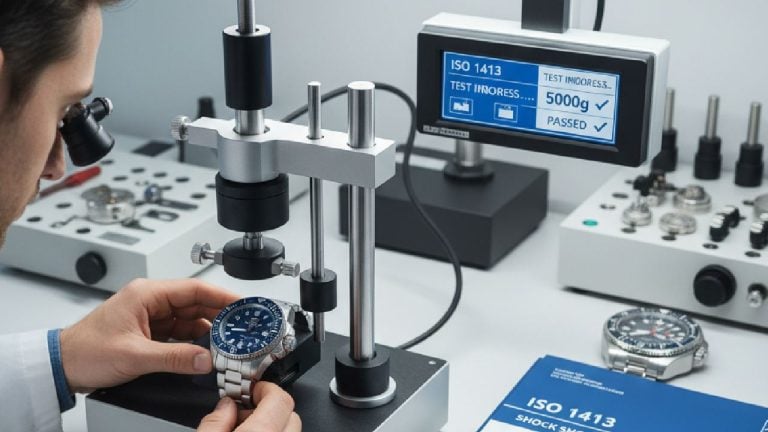
The International Organization for Standardization (ISO) has created the ISO 1413 standard. It defines various standards to determine whether a watch meets its criteria. If so, the watch can be considered and certified as shock-resistant.
Preparation: The watch remains operational and fully active. The display time on the watch matches the accurate reference time.
Impact Test: The watch is struck by a hammer weighing approximately 3kg, swinging at 4.43 m/s, from a position 9 o’clock from the side of the watch, with an impact equivalent to falling from a height of 1 meter.
Post-Impact Test: After the test is performed, the watch should remain operational, show no visible damage, and display an accurate time. If so, congratulations! The watch has passed the standard test and can be certified and claimed as Shock-Resistant under ISO 1413.
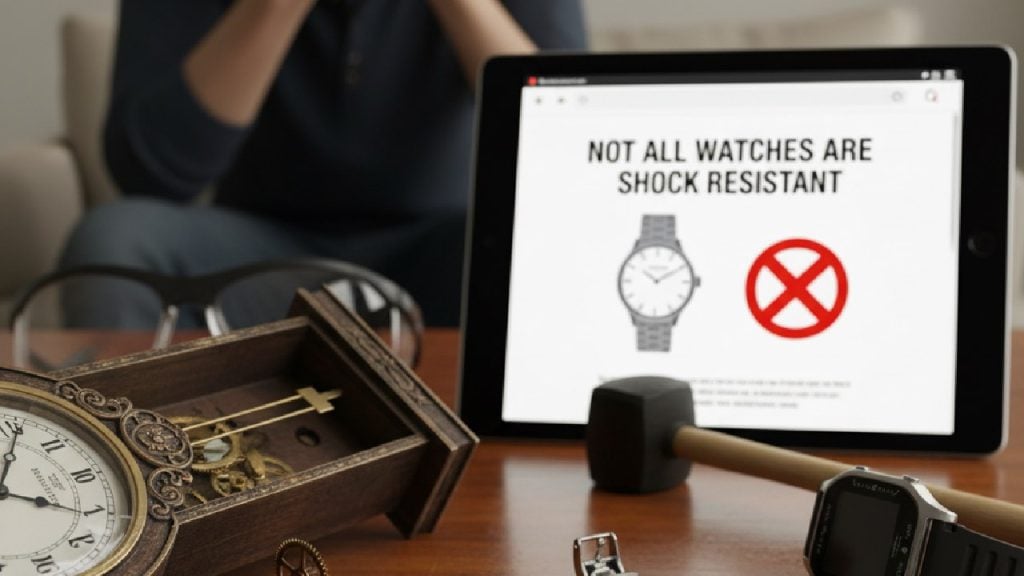
Not all watches are shock-resistant. The only watches that comply with standards like ISO 1413 or include a specific key protection system are considered shock-resistant watches.
When it comes to shocks, a sudden drop, or everyday vibrations. Yes, the shock-resistant watches work well. However, they are unable to withstand high impact or being hard hit by any object.
No, both of these safety features serve for their separate purposes. If a watch is mentioned as being water-resistant, it does not necessarily mean that it is also shock-resistant, or vice versa.
Quartz watches are more resistant to shocks than mechanical watches. But it does not mean that there is no need for shock resistance in these watches. The circuit board is still a sensitive component to impacts.
Some users believe that attempting the shock resistance test at home is safe, as the watch is designed to withstand such impacts. It is absolutely not recommended, because it could result in irreversible loss of the watch.
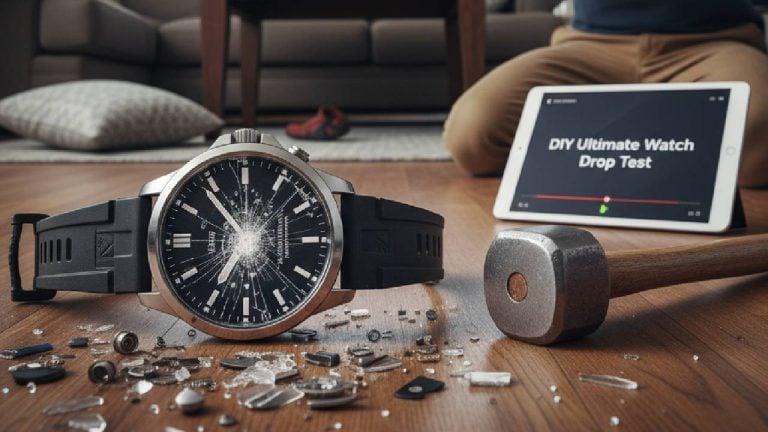
Before earning the title of shock-resistant, a watch underwent a rigorous phase of standardization. It ensures that the watch can withstand shock, impact, and vibrations without compromising its accuracy or the integrity of watch movement parts. The watch protection systems, ranging from the Incabloc system to the G-SHOCK system, have their own importance and suit the specific category according to the standard. The misconception must also be understood to avoid significant and irreversible losses.
Looking for a great deal on watch repairing tools, watch crystals, and other watch parts? Soflypart has brought together all of these products on a single platform. Visit us and buy the product of your own choice.