How to Wind a Mainspring with Bergeon Mainspring Winders
Quick Answer
To wind a mainspring with a Bergeon winder, choose a drum slightly smaller than the barrel, hook the arbor into the inner coil, wind the spring smoothly into the drum, align it with the barrel, and release it using the plunger. When done correctly, the spring sits flat, delivers steady power, and protects the entire movement.
If you’re new to watch repair, winding a mainspring looks tricky. But with the right tools and a steady hand, it becomes a simple, almost calming part of the job (we promise — after a few practice runs, it suddenly “clicks”).
In this guide, we’ll walk you through the exact steps with Bergeon mainspring winders, explain why proper technique matters, show common mistakes, and give you practical examples based on real-world watch servicing.
What is Mainspring
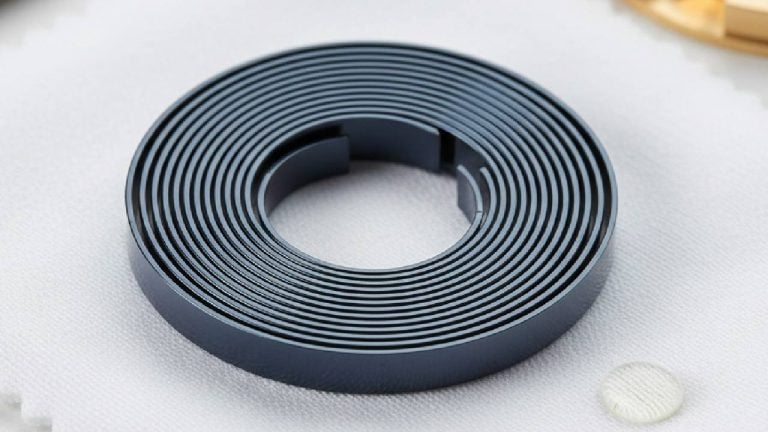
A watch mainspring is a thin, coiled metal strip that stores energy inside the barrel of a mechanical watch. When it unwinds, it powers the gears, escapement, and balance wheel.
Think of it like a tiny metal “battery.” Modern Nivaflex-type springs stay elastic for years, while older blue-steel springs often become “set,” losing power over time. If you’ve opened a vintage pocket watch before, you’ve probably seen those springs sitting almost flat — that’s a classic sign of fatigue.
A healthy, properly installed mainspring delivers even torque and keeps time stable.
Why Does the Mainspring Need Proper Winding?
A mainspring must be wound correctly to sit flat in the barrel and deliver smooth, consistent power to the movement.
Proper winding ensures:
Stable Power Delivery: Even torque leads to better accuracy.
No Coil Deformation: Twisted coils cause amplitude loss.
Less Wear on Components: A damaged spring can scratch the barrel wall.
Smooth Lubrication: Coils glide instead of rubbing harshly.
A quick example: We’ve seen movements that ran perfectly for the first 20 minutes, then stopped completely — all because the spring was sitting at a slight diagonal inside the barrel.
That’s why this process matters.
What Are Bergeon Mainspring Winders?
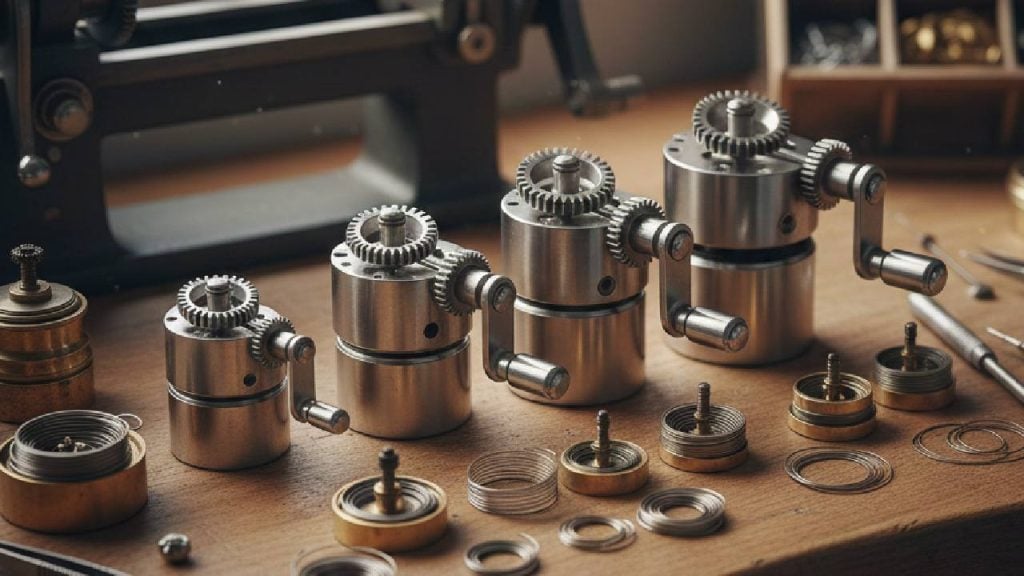
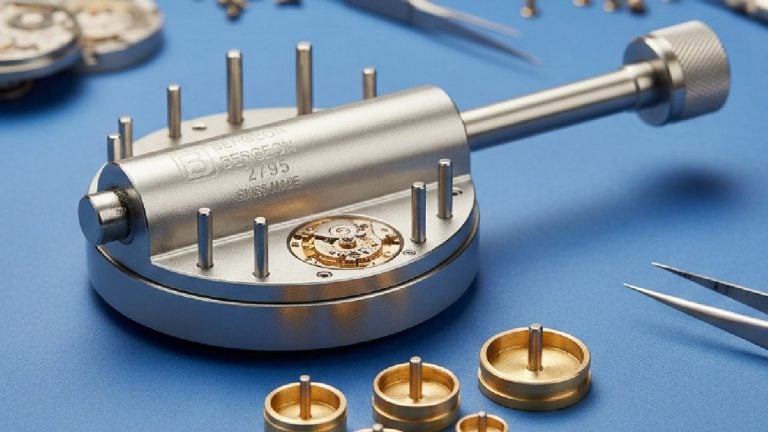
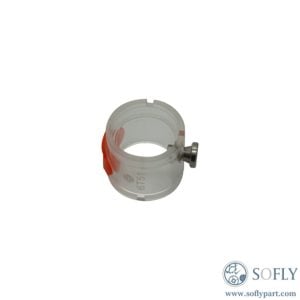
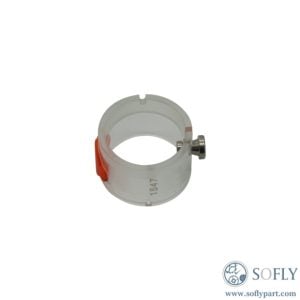
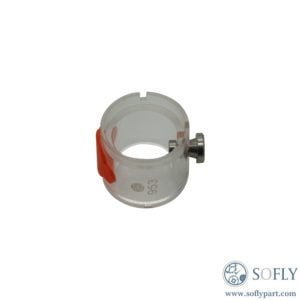
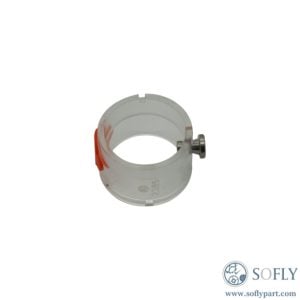
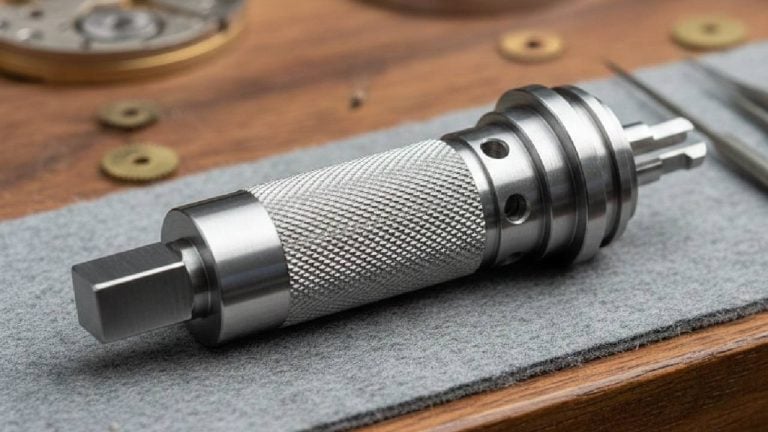
Bergeon mainspring winders are precision tools used to safely wind, remove, and insert mainsprings. They’re made in Switzerland and trusted by professional watchmakers worldwide because the machining tolerances are tight and smooth. That smoothness really matters — especially with thin automatic springs that kink easily.
A standard set includes:
Winder Drums (multiple diameters)
Winding Arbors
Winding Handle
Release Plunger
Storage Case
Compared with cheaper winders, Bergeon drums stay centered and feed the spring evenly. Many budget winders scrape or grab the first coil, which can ruin a brand-new spring in seconds.
A small warning here: touching a mainspring with bare fingers can leave natural oils on the surface, causing amplitude loss once the movement runs.
If you need watchmaker-grade tools without the Swiss price tag, SoflyPart offers reliable, Bergeon-compatible options for barrels, winders, lubricators, and movement tools.
Check whether the spring is left-handed or right-handed. Look for bends, rust, or scratches. If you see a kink — even a small one — replace it. A tiny bend near the outer coil can make the barrel “thump” every rotation.
Lightly lubricate the spring so it winds smoothly.
Step 2: Choose the Correct Drum and Arbor
Pick a drum slightly smaller than the inner diameter of the barrel. If the drum is too big, the spring will slip while winding. If it’s too small, the spring twists or jams.
A difference of even 0.2mm can change how cleanly the spring enters the drum.
Step 3: Load the Mainspring Into the Drum
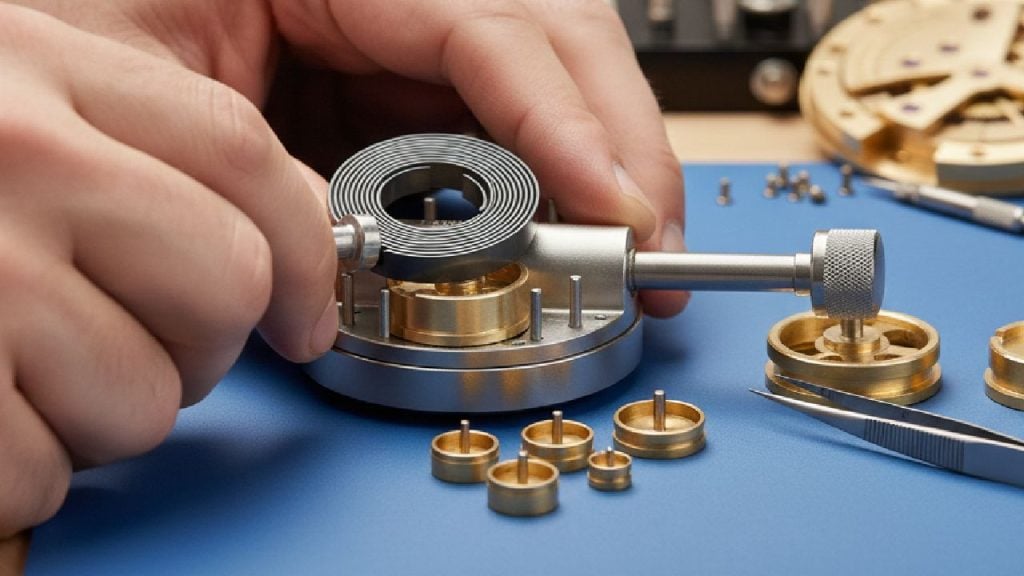
Hold the outer end with tweezers and place the inner coil inside the drum.
Take your time here — this is where beginners often push the spring too deep before engaging the arbor (we’ve all done it once).
Step 4: Engage the Winding Arbor
Insert the arbor into the drum and rotate gently until it catches. Give a tiny upward pull to ensure it’s hooked securely.
If it slips, reset your grip and try again.
Step 5: Wind the Mainspring Into the Drum
Turn the handle with slow, even pressure. The spring should flow in smoothly without scraping.
A well-aligned spring usually winds in under 5 seconds. If you feel sudden resistance, stop immediately — resistance is always a warning.
Step 6: Align the Drum With the Barrel
Pull the arbor out slightly and position the drum over the barrel opening. Match the direction of the spring with the barrel hook.
This part feels delicate, but it gets easier with practice.
Step 7: Insert the Mainspring Into the Barrel
Press the plunger gently using pegwood or your thumb. The spring should slide in cleanly.
When it seats correctly, you’ll usually hear a soft click.
If the spring enters at an angle, the watch may lose 60–90° of amplitude once running. Always check alignment.
Step 8: Remove the Winder and Inspect
Lift the drum straight up. Check whether:
The spring sits flat
The inner coil meets the barrel hook
The coils look even and untwisted
If something looks off, remove it and repeat the process.
Working Tips to Help Beginners Wind Springs More Safely
Here are a few tips that make a big difference:
Practice With Old Springs: Save your new spring until you get the feel for it.
Use Good Lighting: Shadows hide scratches and misalignment.
Match Drums Carefully: Double-check sizes before engaging the arbor.
Use Quality Tools: Precision tools give you more “feedback” as you work.
We’ve helped a lot of new hobbyists, and almost all of them needed 3–5 practice sessions before everything started feeling natural.
What Common Mistakes Should You Avoid?
Using the Wrong Drum Size: This is the fastest way to bend a new spring.
Forcing the Arbor: If it doesn’t catch, forcing only scratches the inner coil.
Touching the Spring Directly: Skin oils affect torque delivery.
Using Dusty or Old Tools: Debris scratches barrels easily.
Reusing Old or Rusted Springs: They break without warning.
Professionals feel misalignment instantly. Beginners usually notice only when the spring refuses to release smoothly — or when the watch suddenly stops.
FAQ
1. How do I know I picked the correct drum size?
Choose a drum slightly smaller than the barrel’s inner diameter. If the spring resists or feels too loose, switch to the next size.
2. Can I wind a damaged or rusted mainspring?
No. Old or damaged springs can break inside the barrel and damage the movement.
3. Are Bergeon winders better than cheaper alternatives?
Yes. Cheaper winders often have poorly machined drums that scratch or deform the mainspring. Bergeon is more accurate, smoother, and safer for the movement.
4. What happens if I wind the spring in the wrong direction?
It won’t catch the arbor hook in the barrel and may distort during insertion. Always confirm the direction first.
5. How long does it take to learn?
Beginners usually get comfortable after 3–5 practice sessions.
Conclusion
Winding a mainspring is one of those watchmaking tasks that looks complicated until you actually try it. Once you learn how to choose the right drum, feel the arbor engagement, and release the spring smoothly, the whole process becomes intuitive.
If you’re gathering tools for your repair bench — or replacing your old setup — SoflyPart carries reliable, watchmaker-grade winders, barrels, lubricators, and movement tools that make winding safer and easier.
Take your time, practice with an old spring first, and you’ll be installing new mainsprings with confidence before you know it.