Product Description
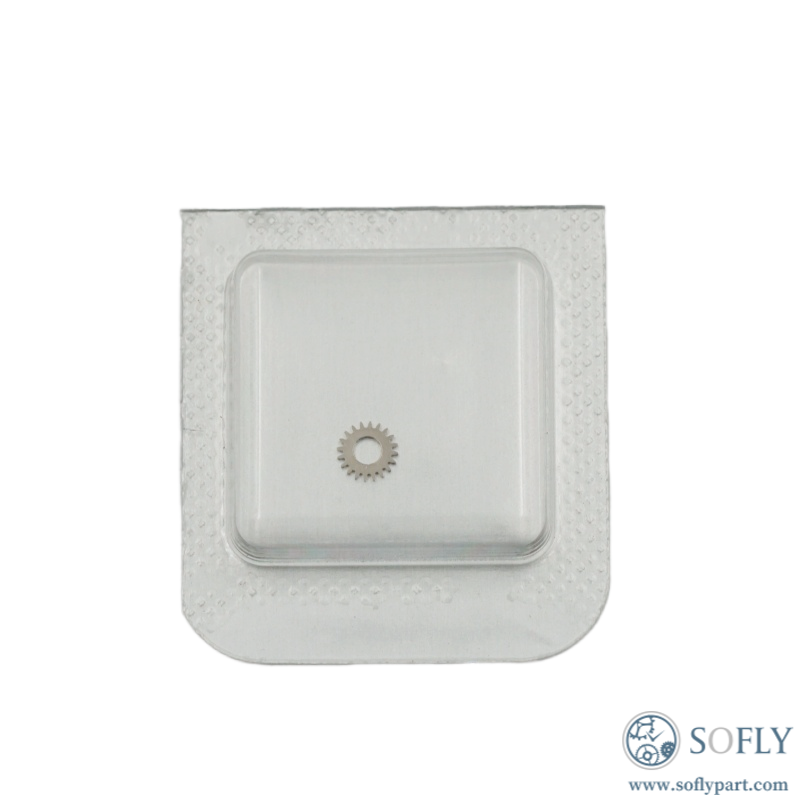
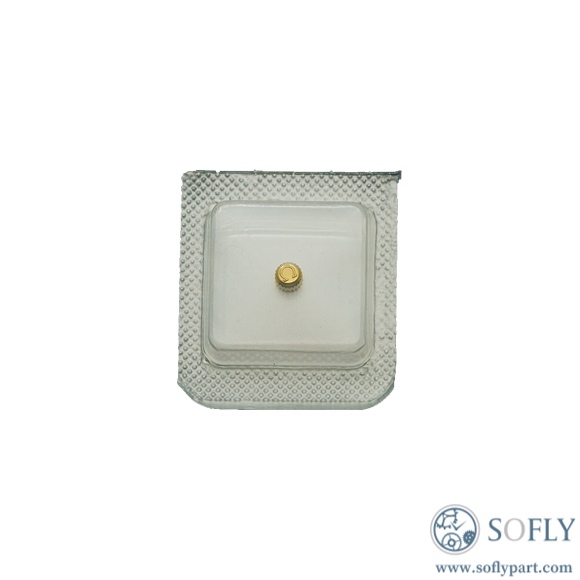
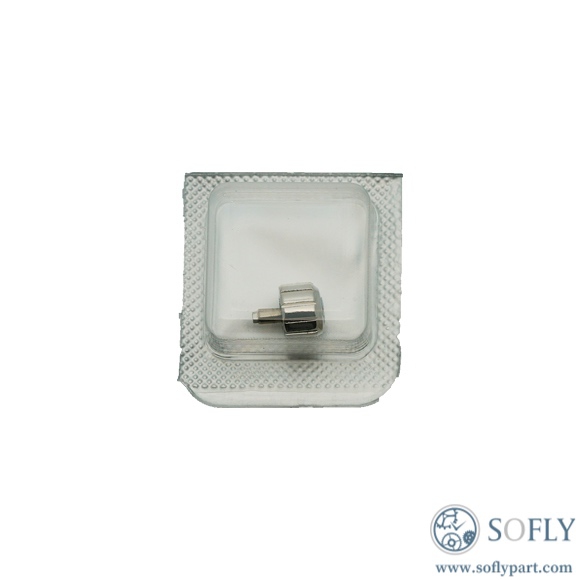
This is a genuine Swiss-made ETA 2892-420 crown wheel, a critical component within the keyless works of the ETA 2892 and 2892-A2 automatic movements. Serving as a bidirectional transmission hub, the crown wheel receives torque from the setting stem via its beveled teeth when engaged with the clutch wheel, then transmits this power through its outer teeth to the winding train, ultimately driving the ratchet wheel to wind the mainspring.
It also plays a role during hand-setting by enabling the proper engagement/disengagement between the clutch wheel and the setting wheel, directly affecting the feel of time adjustment. As a precision‑machined component, this genuine ETA spare part is the recommended replacement when the crown wheel suffers worn bevel teeth, worn center bores, stripped teeth, or any other damage that impairs reliable manual winding.
Features & Function
-
Genuine Quality: Factory‑produced by ETA Switzerland, brand new, fully compliant with original material and precision standards.
-
Compatible Movements: ETA 2892 and 2892-A2 automatic calibers (21 jewels, 28,800 vph beat rate, approx. 42–50h power reserve).
-
Part Number: ETA 2892.420 / ETA2892.420.
-
Core Function: The crown wheel acts as the bidirectional transmission hub of the keyless works. The part has three critical functional features: A (center bore) interfaces with the stem‘s round section, providing rotational support; B (beveled teeth) meshes with the clutch wheel’s mating bevel teeth, enabling power transfer in both winding and setting positions; C (outer peripheral teeth) engages with the winding wheel train at a right angle, driving the ratchet wheel to wind the mainspring.
-
Repair Value: The crown wheel must be replaced with this genuine part when its bevel teeth are worn (symptoms include abnormal winding/setting feel or reduced winding efficiency), the center bore is worn causing excessive side‑play, or peripheral teeth are stripped or missing. Always inspect the mating bevel teeth of the clutch wheel – these two parts wear together; if one shows significant wear, the other should also be replaced.
FAQ
Q1: When should the crown wheel be replaced? Should I wait until winding fails completely?
A: Do not wait for complete winding failure. Early warning signs in the 2892 include a marked decrease in winding resistance — a lighter, “floaty” feel when manually winding. If this change becomes noticeable, have your watchmaker inspect the beveled teeth of the crown wheel and clutch wheel. Timely replacement prevents broken tooth fragments from contaminating the keyless works and winding train.
Q2: Can I replace only the crown wheel without replacing the clutch wheel?
A: It is strongly recommended to replace both together. The beveled teeth of the crown wheel and clutch wheel are a matched, long‑wearing pair. When one shows wear, the other is almost certainly similarly worn. Installing a new crown wheel against an old, worn clutch wheel will cause rapid wear of the new part due to mismatched tooth profiles – this often proves counterproductive.
Q3: Can I lubricate the beveled teeth of the crown wheel?
A: No. The beveled interface between the crown wheel and clutch wheel must be kept clean and dry to provide crisp winding feedback and positive clutch detent. Any lubricant will create a “stick‑slip” effect, degrading the intended dry‑contact feel. Do not apply any oil to this area.
Q4: After replacing the crown wheel, will the watch retain its original water resistance?
A: The crown wheel itself does not affect water resistance. However, the service procedure requires opening the case and removing the stem, which disturbs the crown gasket and the case tube O‑ring. After completing the repair, a pressure test (3 bar minimum) must be performed to confirm that all seals are intact and water resistance is restored to factory specifications.
Q5: Is it reliable to replace the crown wheel at a general repair shop?
A: Proper crown wheel installation requires the watchmaker’s skill to judge seating depth and the correct meshing gap with the clutch wheel – it is not a simple “press in” operation. Additionally, during disassembly of the 2892‘s keyless works, the yoke spring and lever can easily fly out if the technician is unfamiliar with the movement’s construction. Such inexperience may cause secondary damage or loss of small parts. Choose a professional with detailed knowledge of ETA caliber architecture.
Why Choose SOFLY Watch Parts?
-
Fast worldwide shipping within 3 business days.
-
Competitive pricing on Seiko/Hattori calibers.
-
3,000+ watch movements and parts in stock.
-
Trusted by watchmakers worldwide.
-
Personalized sourcing support via [email protected] or WhatsApp +86 18620212114.