Product Description
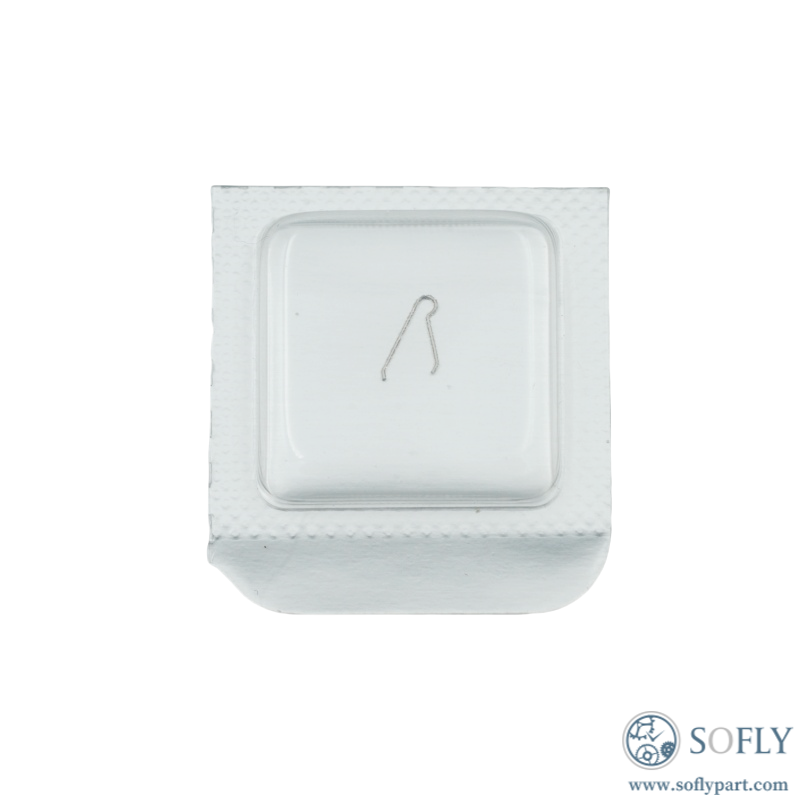
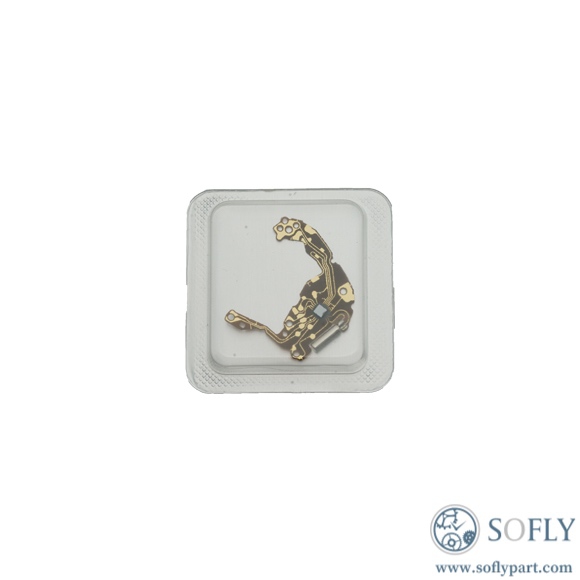
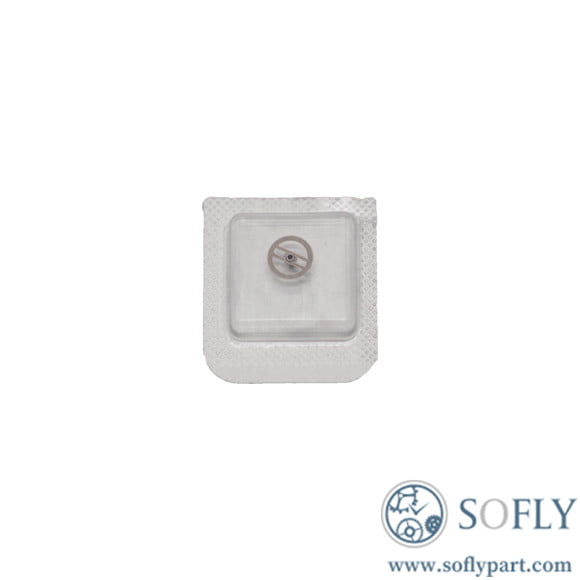
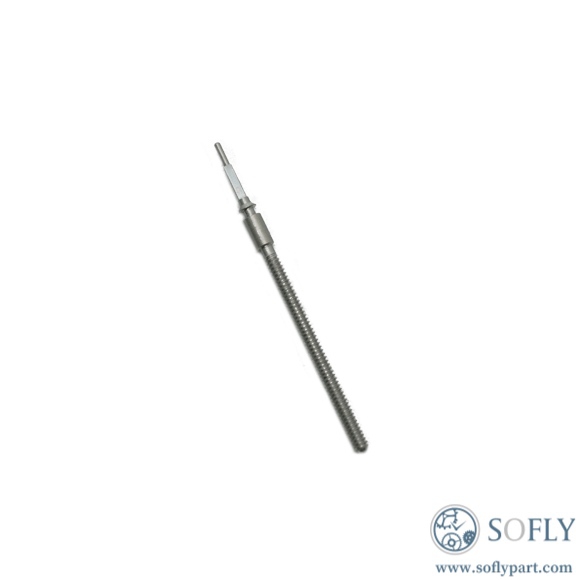
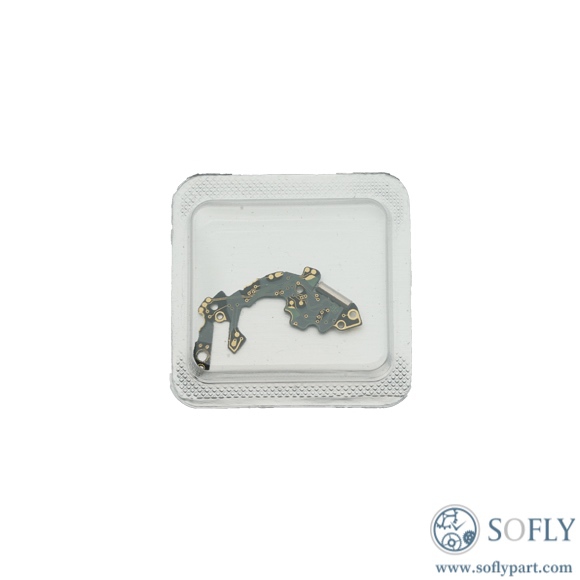
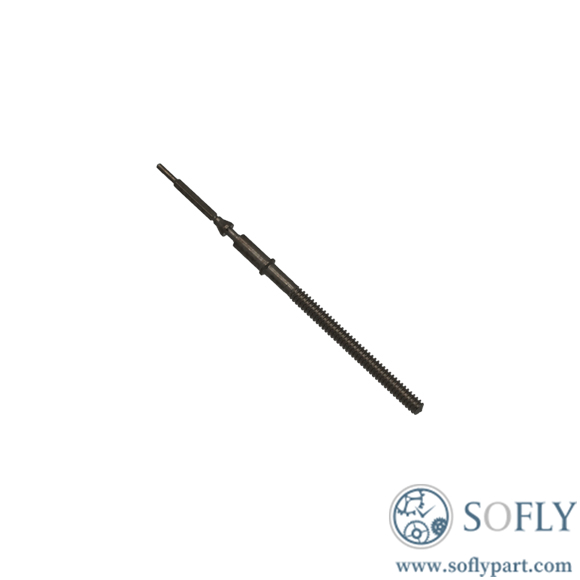
This is a genuine Swiss-made ETA 7753-2575 date jumper (also referred to as the date jumper spring), a critical elastic component within the calendar mechanism of the ETA 7753 automatic chronograph movement. The 7753 caliber was introduced in 2002 as a re‑layout of the 7750 family, moving the 30‑minute totalizer from the 12 o‘clock position to 3 o’clock, creating the classic “3‑6‑9” subdial layout and placing the date window at 4:30. The caliber’s most distinctive feature is its date quick‑set mechanism: unlike the 7750‘s crown‑based quick set, the 7753 uses a dedicated corrector pusher at 10 o’clock.
The 7753‑2575 date jumper controls the indexing and positioning of the date wheel, applying a consistent spring load during manual quick‑setting or midnight advancement to ensure the date advances correctly by exactly one day per cycle. When the spring fatigues, deforms, or breaks, the date quick‑set fails or the midnight advancement can no longer index correctly, eventually leading to a jammed date mechanism. As an original Swiss‑made part, the 7753‑2575 is the correct OEM solution for replacing this worn or damaged component.
Features & Function
-
Genuine Quality: Factory‑produced by ETA Switzerland, brand new, with material and spring specifications fully compliant with movement design standards.
-
Compatible Movement: ETA/Valjoux 7753 automatic chronograph (27 jewels, 28,800 vph, approx. 44–54h power reserve).
-
Part Number: ETA 7753.2575.
-
Mechanical Function: The date jumper (also called the jumper spring) exerts constant spring tension on the date wheel (or the date jumper wheel), ensuring the date advances exactly one step for each pressing of the corrector pusher or each midnight advancement. The 7753‑2575 uses a precisely shaped spring arm to provide this indexing tension.
-
Construction: The 7753‑2575 is a stamped spring steel component. It typically includes an indexing pawl (which engages the teeth of the date wheel), a retaining hole or slot (which fixes the spring to the mainplate or date cover plate), and a spring arm (which supplies the necessary constant tension). It relies on the inherent elasticity of the material and requires no additional spring.
-
Repair Value: When the date wheel teeth are worn, when the spring has lost its tension due to metal fatigue (symptoms include the date advancing more than one day per press of the corrector pusher, or the date wheel not advancing at all), or when the date becomes stuck between two numerals, this genuine part must be replaced.
FAQ
Q1: When I change the jumper spring, must I also change the date wheel?
A: Not always. However, if the date wheel teeth tips show visible polishing (flats) or worn corners, the indexing geometry is compromised. A new spring will not seat correctly, resulting in poor alignment or binding. As a rule of thumb, if the date wheel has been in service for more than 10 years or shows visible wear, replace both together.
Q2: After installing a new jumper spring, the pusher was fine for a day, but now it feels hard to press. What’s wrong?
A: Two likely causes: the pawl is not fully seated in the center of the date wheel tooth valley and has started to deform, or the spring has shifted laterally in its mounting slot. Disassemble and reposition the spring, and check that the date wheel rotates with even resistance.
Q3: Can the ETA 7753 set the date via the crown?
A: No. Its calendar architecture makes crown‑based quick‑set impossible. That is why 7753 cases almost always have a corrector pusher at 10 o’clock. If the pusher is absent, the date must be advanced manually by moving the hands through 24 hours. The 7753‑2575 jumper spring works together with the pusher system to enable fast indexing.
Why Choose SOFLY Watch Parts?
-
Fast worldwide shipping within 3 business days.
-
Competitive pricing on Seiko/Hattori calibers.
-
3,000+ watch movements and parts in stock.
-
Trusted by watchmakers worldwide.
-
Personalized sourcing support via [email protected] or WhatsApp +86 18620212114.