In the realm of watch maintenance and repair, removing the stem from a watch movement is a critical yet delicate procedure. Particularly with screw-type stems, the process demands precision, the right tools, and an understanding of movement-specific nuances. At Sofly, we specialize not only in high-quality watch parts and components but also in empowering professionals and enthusiasts with the know-how to tackle tasks like this with confidence.
Whether you’re replacing a crown, servicing the movement, or preparing the case for a thorough cleaning, this guide will walk you through how to safely remove a screw-type watch stem step by step.
1. Understand the Stem Mechanism
Before diving into removal, it’s crucial to know whether you are working with a screw-type or push-button stem. Screw-type stems are commonly found in higher-end or vintage mechanical movements and require a small screw to be loosened in order to extract the stem.
You’ll typically find this type in Swiss mechanical movements like ETA 2824, Sellita SW200, or similar calibers.
Tip: Don’t fully remove the screw—just loosen it enough to release the stem.
2. Tools Required for the Job
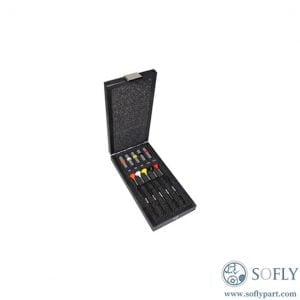
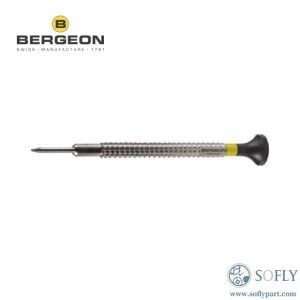
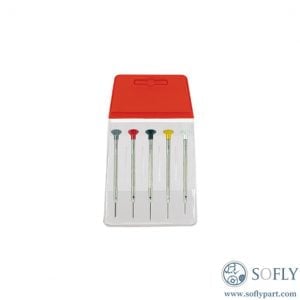
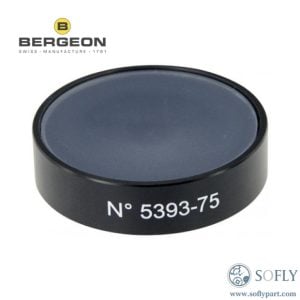
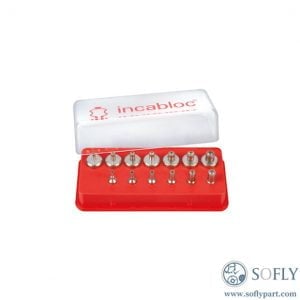
Using the proper tools can be the difference between a successful repair and a damaged movement. Sofly offers precision-grade watchmaking tools tailored for stem work.
Essential Tools from Sofly:
Optional Tools:
- Pegwood stick – Useful for gentle prodding without metal-on-metal contact
- Headlamp or LED desk light – Proper lighting ensures safe handling
3. Secure the Movement in a Holder
Start by opening the watch case and carefully removing the movement. Always disconnect the battery first if working with a quartz watch.
Place the movement in a high-quality movement holder. This not only stabilizes your workspace but also prevents pressure damage to the dial or hands.
Caution: Never perform stem removal with the movement loose in your hand—it risks misalignment and component damage.
4. Locate the Setting Lever Screw
Using your loupe or microscope, locate the setting lever screw. This is usually near the stem entry point on the movement plate.
On ETA and Sellita movements, it’s typically the first small screw next to the stem tube. Unlike the push-type release (usually marked with a “push” engraving), this screw must be loosened, not pressed.
Reminder: Identify the correct screw before proceeding. Confusing it with a nearby screw (like a calendar or train bridge screw) can cause internal damage.
5. Loosen the Screw Carefully
Using the appropriate-size flathead screwdriver, gently turn the screw counter-clockwise. Do not remove the screw completely—about a quarter to half turn is usually enough.
Too much loosening may release internal levers or dislodge bridges. Keep steady pressure and feel for slight resistance release in the stem.
If the screw doesn’t budge, stop and double-check—applying force could shear it off.
6. Remove the Stem Gently
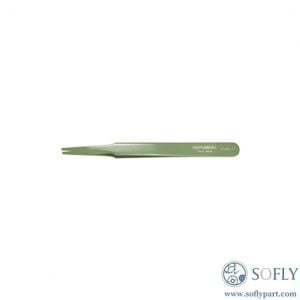
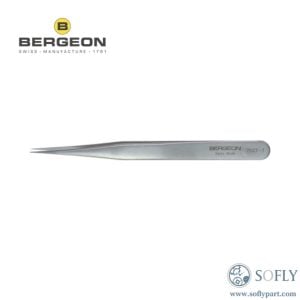
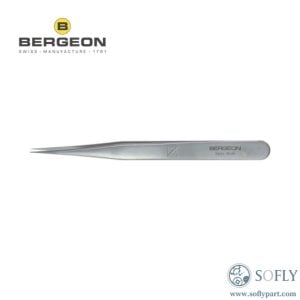
Once the setting lever screw is loosened, grip the crown or stem end with your non-magnetic tweezers or fingers and gently pull it outward. It should slide out smoothly.
If the stem resists, double-check that the screw is adequately loosened. Do not force it—doing so can bend the stem or strip the internal threads.
Note: Some movements may require minimal wiggling as you pull, but always do so with caution.
7. Proceed with Repairs or Service
With the stem removed, you now have full access to the dial side and can proceed with replacing the crown, servicing the gears, or swapping movements into a new case.
This is also the time to inspect:
- The condition of the stem threads
- Whether the crown gasket needs replacing
- The keyless works, especially if setting was problematic
Sofly provides compatible replacement stems, crowns, and gaskets for a wide range of Swiss and Japanese calibers.
8. Reinsert the Stem After Service
To reinstall the stem, gently insert it back into the tube until it engages with the setting lever. You may need to rotate the stem slightly to align with the clutch.
Once in place:
- Turn the setting lever screw clockwise to retighten it
- Avoid overtightening—just snug enough to secure
Test the stem function by rotating the crown and pulling to different positions (time setting, date set, winding). It should feel smooth and secure.
9. Common Mistakes to Avoid
When removing a screw-type stem, watchmakers often make the following avoidable errors:
Mistake | Consequence | Sofly Solution |
Fully unscrewing the setting lever screw | Loss of setting lever or internal shift | Use a loupe and loosen only partially |
Confusing the wrong screw | Gear train damage or misalignment | Reference the movement diagram or our customer support |
Forcing the stem out | Damaged clutch or bent stem | Recheck screw looseness first |
If unsure, consult a service guide or contact Sofly’s technical team for free tool usage support.
10. Sofly Pro Tips for Screw-Type Stem Removal
- Always work under bright lighting and magnification
- Keep a spare stem or setting lever handy, especially when servicing older models
- Clean your tools regularly to maintain screw head grip
- Practice on scrap movements if you’re new to stem work
- Store all parts in a labeled parts tray to avoid mix-ups
Final Thoughts
Removing a screw-type stem isn’t difficult—but it demands patience, care, and the right tools. At Sofly, we provide not only precision tools and replacement parts, but also expert guidance to help every watchmaker and repair enthusiast work with confidence.
Whether you’re maintaining a luxury Swiss timepiece or restoring a family heirloom, Sofly is here to support your craftsmanship journey.