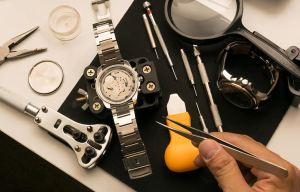
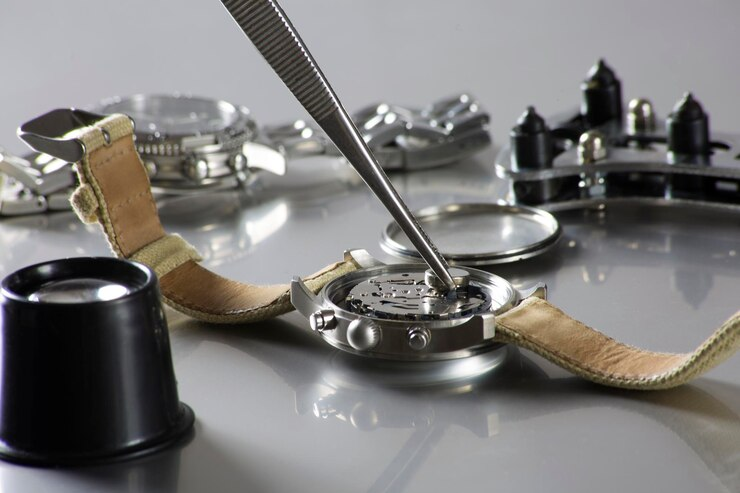
The essential tools for watchmaking are a small group of bench basics: precision screwdrivers, anti-magnetic tweezers, a loupe, a movement holder, case-back tools, and dust-control supplies. Start with those, and you can handle beginner jobs without chewing up screw heads or scratching a case. In this guide, we’ll break down what each tool does, which ones to buy first, and where it pays to spend more.

Essential watchmaker tools help you open the watch, secure the movement, handle tiny parts, and keep the work clean. For most beginners, the core kit includes the following:
It also helps to separate watchmaking tools from collector tools. A spring bar tool and a bracelet link remover are great for strap changes and sizing. They do not prepare you for movement work. Once you open the case, you need tools built for far smaller tolerances.

Beginners should buy five tool groups first: precision screwdrivers, anti-magnetic tweezers, a loupe, a movement holder, and a case opener that matches their watches. That kit covers most first-step jobs and keeps you from wasting money on a giant repair set that sits in a drawer.
Start with these watchmaking tools first:
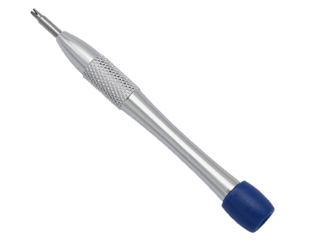
A beginner tool kit does not need every option on day one. In many cases, four screwdriver sizes cover a lot of entry-level work: 1.40 mm, 1.20 mm, 1.00 mm, and 0.80 mm. For tweezers, patterns like No. 2, No. 3, and No. 5 are common starting points. That gives you a practical place to begin without buying 30 tools you will barely touch.
Once your bench basics are in place, building around one reliable supplier can save time. Soflypart fits naturally into that setup if you also need parts, accessories, or replacement hardware for early repair jobs.

Precision screwdrivers protect screw heads, improve control, and make movement work cleaner. A good blade fits the slot properly, transfers pressure evenly, and lowers the chance of slipping across a bridge or plate.
This is one place where cheap tools can cost you more later. Soft blades wear down fast. Poorly cut tips wobble in the slot. And once a screw head is chewed up, a five-minute job can turn into a long, annoying rescue mission.

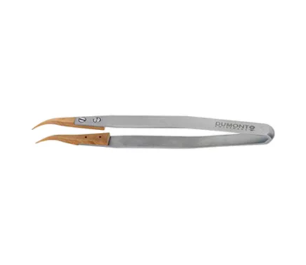
Fine tweezers give you control over parts your fingers cannot handle safely. In watch work, that includes screws, pinions, wheels, and springs that are tiny, light, and easy to launch across the bench.
For most beginners, one all-purpose pair and one extra-fine pair are enough. Anti-magnetic steel is a good place to start because small steel parts are less likely to cling to the tip when you are trying to place them. Later on, you can add brass or plastic tweezers for jobs where you want a softer touch.

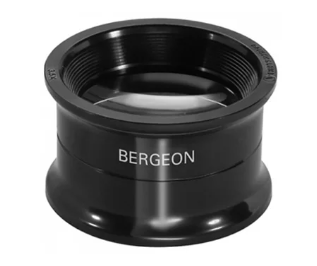
Magnification belongs in your starter kit because watch parts are too small for clean work with the naked eye. You may get away with a quick strap job without it, but you should not inspect pivots, jewels, or tiny screw heads that way.
A practical setup is easy to build. Use a 3x to 4x loupe for general work. Add a 10x loupe for close inspection. Higher magnification is not always better, by the way. It narrows your field of view, and that can make bench work feel harder, not easier.

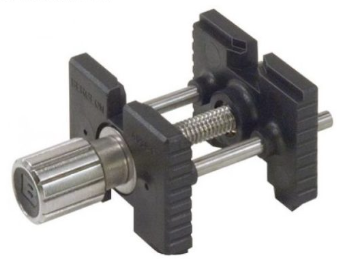
Use a movement holder any time the movement leaves the case. It keeps the work stable and helps you avoid pressure on delicate parts.
Without a holder, beginners often do the same thing: they balance the movement in the palm of the hand or rest it on the bench and hope for the best. That is when slips happen. A holder keeps the movement level while you remove screws, inspect the dial side, or prepare for hand work.

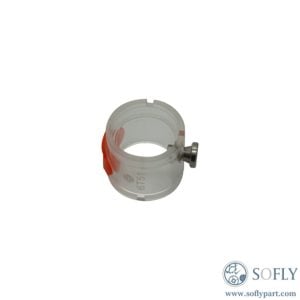
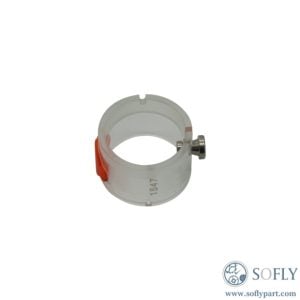
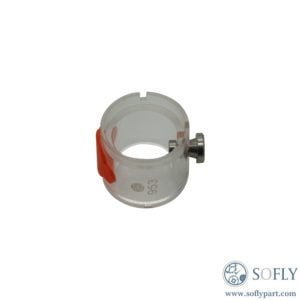
Buy the case opener that matches your case-back style. One opener will not cover every watch, and forcing the wrong tool is one of the fastest ways to scratch a case.
Choose case-opening tools based on the watch in front of you:
This is why generic repair kits often disappoint beginners. They give you a little of everything, but not always the opener you actually need.
Every watch bench needs dust control, finger protection, and a safe place for parts. These tools are cheap compared with movement damage, and you will use them in nearly every session.
The most useful bench supplies usually include the following:
Tiny parts have a bad habit of rolling off the bench right when you think they are safe. A simple covered tray saves a lot of frustration.
Lubrication tools and hand tools become necessary once you move from basic opening work to actual movement service. You do not need them for the first weekend of watch tinkering, but you will need them once you begin disassembly, cleaning, oiling, and reassembly.
A good way to build your kit is in stages:
That order keeps your spending under control and lets your tools grow with your skill level.
Many hobbyists and professionals trust brands like Bergeon, Horotec, and Dumont for tools that need tight tolerances. That does not mean you need the premium version of every tool on day one.
A smarter approach is to spend selectively. Put more of your budget into screwdrivers, tweezers, magnification, and any tool that directly touches the movement. Save on simpler bench accessories where small differences in finish or brand matter less.
If you are building your kit step by step, Soflypart can be a practical source, offering respected branded tools such as Bergeon watch tools alongside more affordable generic and China-made options. That gives beginners and hobbyists more flexibility at different budget levels.

You do not need a giant workshop to begin watchmaking. You need the right basics: good screwdrivers, reliable tweezers, clear magnification, stable movement support, matched case tools, and clean bench supplies. Start with those five core tool groups, buy in stages, and spend more on the tools that directly touch the movement.
That gives you a bench you can actually use, not one that just looks impressive in a photo. And once you are ready to pair those tools with parts, accessories, or replacement hardware, Soflypart is a natural next stop for building out your setup.