
When it comes to watches, the movement is the heart of the timepiece. It dictates accuracy, reliability, and longevity, ultimately shaping the watch’s value. Among the many types of watch movements, quartz and automatic are the most popular. While both serve the same fundamental purpose—telling time—they operate in fundamentally different ways.
In this blog, we will explore the differences between quartz and automatic watches, including their mechanisms, advantages, disadvantages, and the best options in each category. Whether you’re a seasoned watch collector, a casual enthusiast, or someone seeking watch repair tools for DIY maintenance, understanding these movements will help you make an informed decision when choosing your next timepiece.
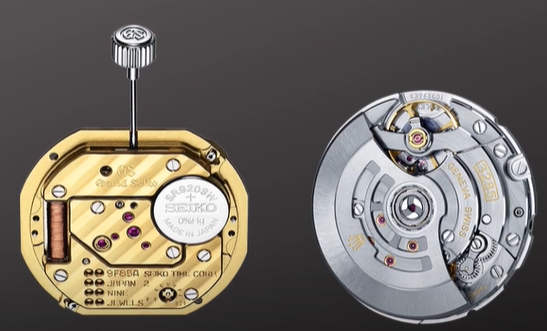
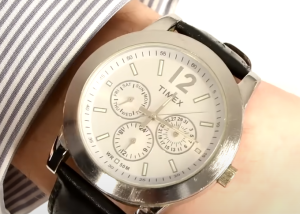
A quartz watch is powered by a battery and regulated by a quartz crystal. It is the most common type of watch on the market, known for its accuracy, affordability, and low maintenance.
Inside a quartz movement, a small battery sends an electrical current through a quartz crystal. This current causes the quartz to vibrate at a precise frequency—typically 32,768 times per second. These vibrations are then converted into regular timekeeping by the watch’s motor, which moves the second, minute, and hour hands.
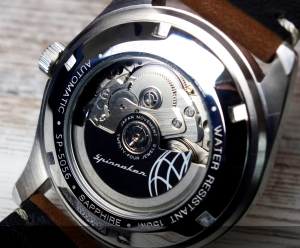
An automatic watch (also known as a self-winding watch) operates without a battery. Instead, it’s powered by the motion of the wearer’s wrist, making automatic watches a sustainable alternative to quartz.
Inside an automatic watch, a rotor moves when the wearer’s wrist moves. This motion winds the mainspring, which stores energy and powers the watch’s timekeeping mechanism. The energy is gradually released to keep the watch running. Unlike quartz watches, which rely on batteries, automatic watches are self-sustaining as long as they are worn regularly.
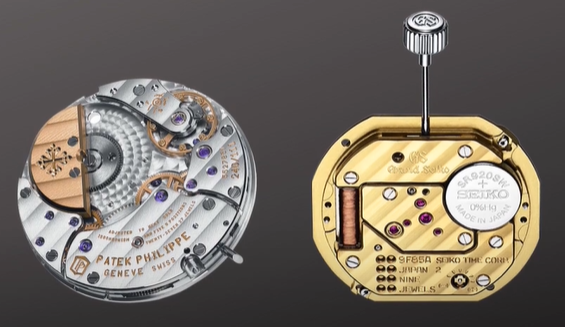
While both quartz and automatic watches are designed to tell time, they differ greatly in craftsmanship and complexity. Let’s dive deeper into how these two movements are built and appreciated by enthusiasts.
Automatic movements are known for their mechanical complexity. These movements require a series of intricate components such as gears, springs, and rotors that work together to power the watch. The engineering behind an automatic watch is often a marvel, admired by collectors for its precision and craftsmanship. For many, owning a high-quality automatic watch is about appreciating this art of watchmaking. Luxury brands like Rolex and Patek Philippe are famous for their high-end automatic movements, which represent decades of expertise and tradition.
On the other hand, quartz watches offer simplicity in both design and function. The movement of a quartz watch involves far fewer components, making it easier and cheaper to produce. Its operation is mainly centered around the quartz crystal and the battery, making the mechanism less complicated, but highly reliable. For those who value practicality and reliability without the need for constant upkeep, quartz is the preferred choice.
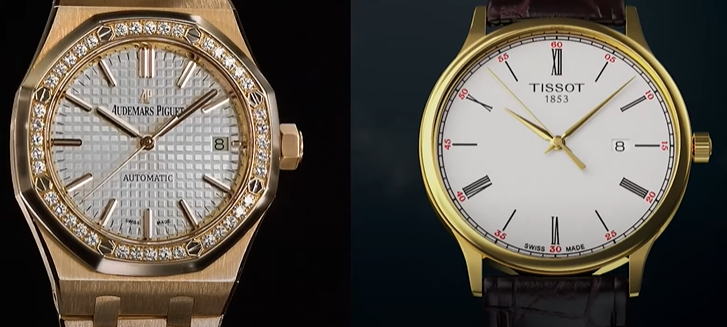
The decision between quartz and automatic depends largely on what you value most in a timepiece. Here’s a quick comparison of key factors:
Factor | Quartz | Automatic |
Accuracy | Extremely accurate, usually gaining or losing only a few seconds per month. | Less accurate, with deviations of several seconds per day. |
Maintenance | Requires minimal upkeep—just a battery change every 1-3 years. | Requires regular servicing, including cleaning and lubrication. |
Price | Affordable, with a simpler design and lower production costs. | Generally more expensive due to the intricate movement and craftsmanship. |
Craftsmanship | Simple, practical, and functional, but lacks intricate design. | Highly admired for the mechanical artistry and engineering skill. |
Both types can last for decades, but their longevity depends on how they’re maintained:
Yes, automatic watches tend to be more expensive than quartz models. This is due to the complexity of their mechanical movements, which require more detailed craftsmanship and precision.
Automatic watches require regular servicing, usually every 3-5 years. This involves cleaning, lubrication, and adjustments to ensure the movement continues to run smoothly. It’s essential to use high-quality watch repair tools and watch movement parts to maintain their longevity.
Quartz watches are highly accurate, typically gaining or losing only a few seconds per month. This makes them an excellent choice for those who prioritize precision and reliability.
Yes, you can absolutely switch from a quartz to an automatic watch, depending on your preferences. While quartz is more affordable and easier to maintain, automatic watches offer a unique craftsmanship and a long-lasting appeal, especially for watch collectors.
Rolex primarily uses automatic movements in its watches, renowned for their reliability and precision. While Rolex did produce the Oysterquartz collection, the brand is most famous for its automatic watches, including iconic models like the Rolex Submariner and Rolex Datejust.
The choice between quartz and automatic depends on your priorities:
Whether you choose a quartz or automatic watch, proper care is essential. With the right watch repair tools and quality watch parts supply, your watch can continue to perform at its best for years to come. For enthusiasts and collectors alike, SoflyPart offers top-tier components to ensure the longevity and reliability of your prized timepieces.
Image References:
All images used in this article are taken from the following YouTube video: