Watch Bezel Types Explained: Functions, History & How to Choose
Introduction
A watch bezel does far more than frame the dial. In daily use, it’s what turns a watch into a practical tool. You use it to time coffee, parking meters, workouts, meetings, or cooking. You rely on it to track a second time zone while traveling or to measure speed with a chronograph.
When a bezel is poorly designed, the problems show up fast. It turns too easily and shifts by accident. It doesn’t align cleanly at 12 o’clock and slowly drives you crazy. Or it feels stiff and gritty instead of precise.
In short, dive bezels track elapsed time safely, GMT bezels handle time zones, and tachymeter bezels measure speed when paired with a chronograph.
This guide goes beyond names and aesthetics. You’ll learn how different watch bezel types actually work, how to use them, and how to choose the right one based on how you live, not just how the watch looks.
What exactly is a watch bezel (and what parts does it include)?
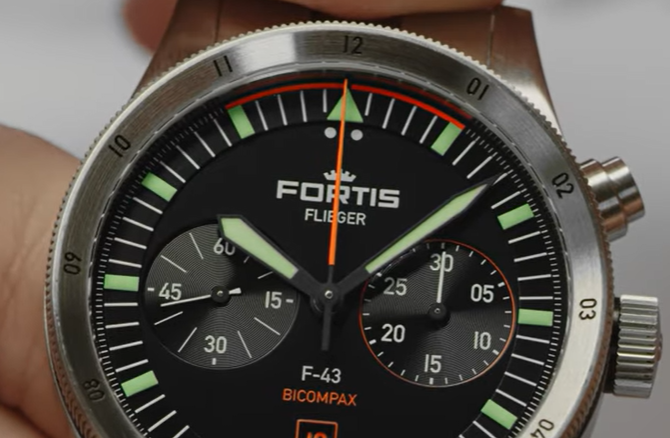
A watch bezel is the ring surrounding the crystal. It may be fixed or rotating, and it often carries a functional scale used for timing, navigation, or calculation.
Bezel insert: The component that carries markings or scales
Retention system: Springs, click mechanisms, or gaskets that control movement
Scale placement: On the outer bezel or, in some designs, an internal rotating ring
It helps to distinguish the bezel from related parts. The bezel is not the dial, and it’s not the chapter ring printed inside the dial. Its relationship to surrounding components, including the watch crystals, directly affects alignment, durability, and how the watch wears over time.
How does bezel engineering work (and why do some feel better than others)?
Bezel feel is the result of engineering choices, not luck.
Core components, simplified
Most rotating bezels rely on:
Insert: Aluminum, ceramic, steel, sapphire, or composite
Rotating ring: The structural element that turns
Click spring or ball detent: Creates resistance and tactile feedback
Ratchet teeth: Control direction and precision
Clicky vs smooth: what it signals
A firm, clicky bezel usually indicates purpose and safety, especially on dive watches. Smooth bezels favor calculation or aviation use, where fine adjustments matter more than locking.
Click counts also matter. Common setups include 60-click and 120-click bezels. Higher counts allow finer alignment, which is why enthusiasts notice even slight misalignment at 12.
In practice, most bezel complaints come down to alignment and back-play, not materials.
What are the major watch bezel types, and how do you use each one?
Below are the most common bezel types you’ll encounter, with real-world guidance on when they help and when they don’t.
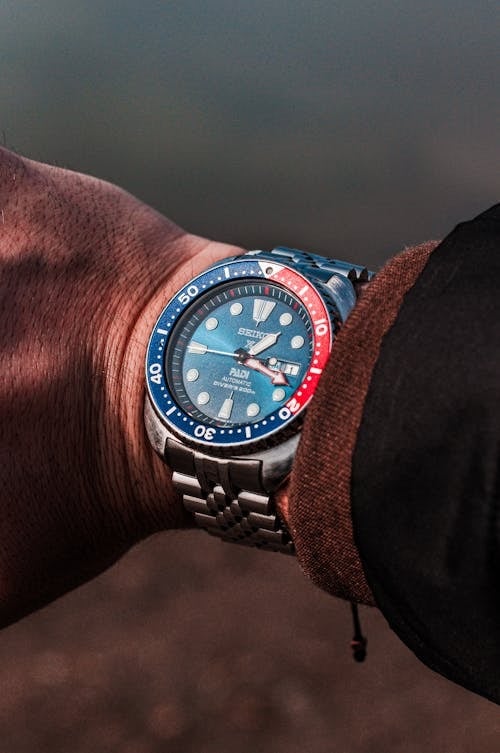
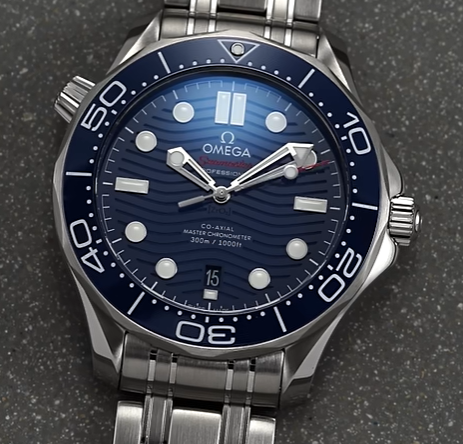
Dive Bezel (Elapsed-Time Bezel): Why is it uni-directional?
Best for: Safe elapsed-time tracking
Skip if: You never time anything
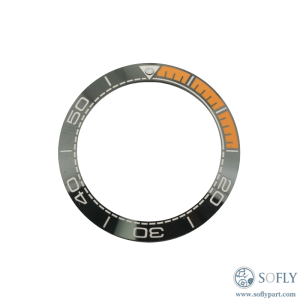
A dive bezel rotates only counterclockwise. That design ensures accidental movement can only shorten, not extend, the measured time.
How to use it:
Align the zero marker with the minute hand
Read elapsed minutes directly from the bezel
Salt, sand, and impact affect smoothness, which is why routine rinsing matters.
Count-Up Timing Bezel: Why do non-divers love it?
Best for: Everyday timing Skip if: You prefer digital timers
Often bi-directional, this bezel lets you time workouts, meetings, or cooking without a chronograph. It’s simple, intuitive, and widely useful.
Countdown Bezel: How do you track time remaining?
Best for: Events with a clear end point Skip if: You only care about elapsed time
The scale runs toward zero, making it ideal for presentations, interval training, or race starts.
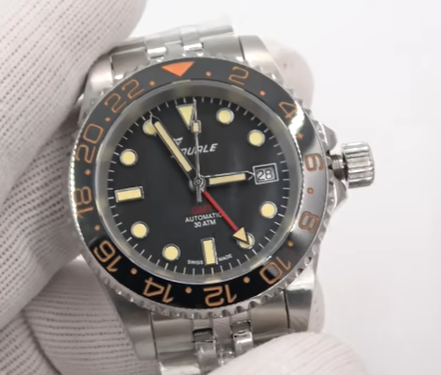
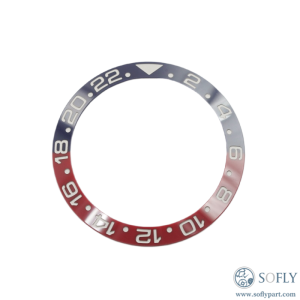
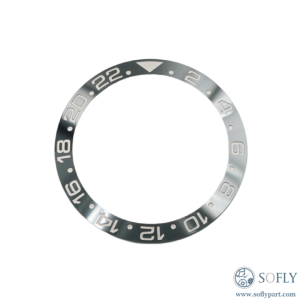
GMT 24-Hour Bezel: How do you track another time zone?
Best for: Frequent travelers Skip if: You never track multiple time zones
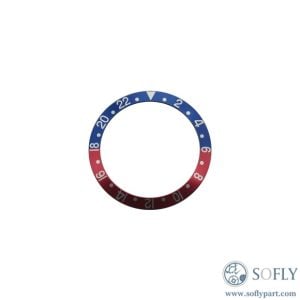
Used with a GMT hand, a 24-hour bezel tracks a second time zone and can be rotated to follow a third.
12-Hour Bezel: Quick time-zone math without a GMT hand
Best for: Simple travel use Skip if: You need day/night distinction
Rotate the bezel by the hour difference and read local time directly.
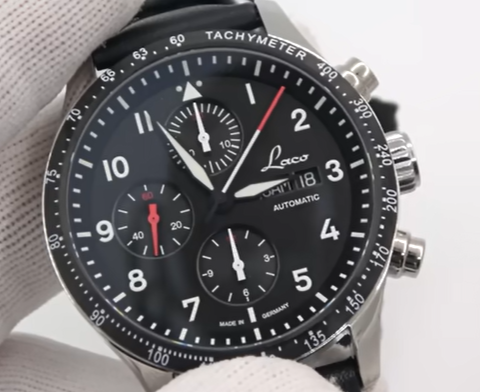
Tachymeter Bezel: How does it calculate speed?
Best for: Chronograph users Skip if: You never use the chrono
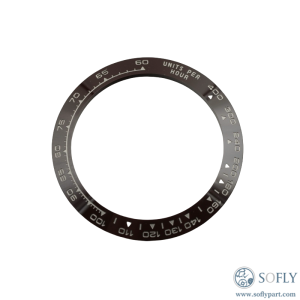
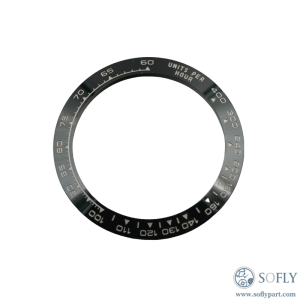
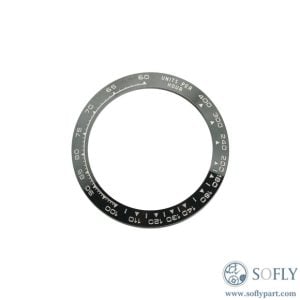
A tachymeter converts elapsed time into speed or units per hour. While often stylistic today, it remains functional when paired with a working chronograph and properly serviced watch movement part components.
Telemeter Bezel: Measuring distance with sound and light
Best for: Heritage interest Skip if: You want daily practicality
Start timing at a flash, stop at the sound, and read distance on the bezel.
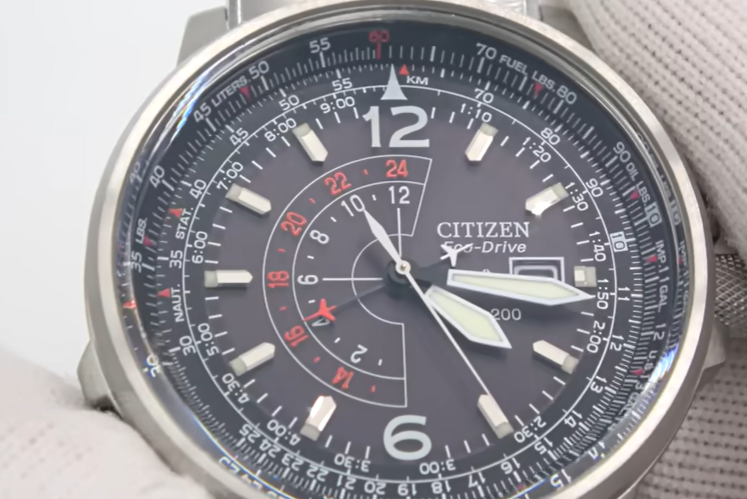
Slide Rule Bezel: A wrist-borne analog computer
Best for: Aviation and engineering enthusiasts Skip if: You want instant simplicity
Slide rule bezels handle multiplication, division, and conversions. Learning just one operation unlocks real value.
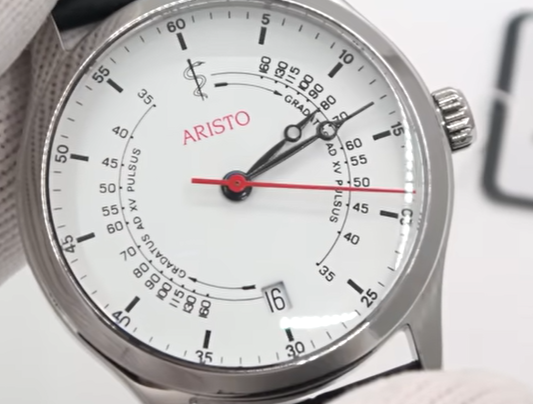
Pulsometer Bezel: Measuring heart rate the old way
Best for: Vintage chronographs Skip if: You rely on modern fitness trackers
Count beats, stop the chronograph, and read BPM directly.
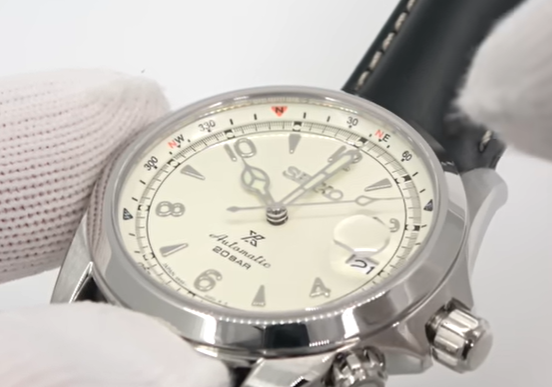
Compass Bezel: Basic navigation without electronics
Best for: Outdoor backup navigation Skip if: You need precision
Used with the sun and hour hand, it provides rough orientation in a pinch.
Decimal Bezel: Why some industries use decimal time
Best for: Billing and industrial logs Skip if: You think strictly in minutes
It converts minutes into decimal hours (15 minutes ≈ 0.25 hours).
Which bezel materials are best (and what are the trade-offs)?
Aluminum: Lightweight, colorful, easy to replace; scratches and fades
Ceramic: Scratch-resistant and colorfast; can chip on hard impact
Steel / Titanium: Durable and cohesive; scratches but ages evenly
Precious metals & composites: Niche appeal; value depends on use
Choose materials based on how you wear the watch, not just how they look in photos.
How do you choose the right bezel for your lifestyle?
Ask yourself three questions:
Do you need timing, time zones, or calculation?
Are accidental turns a concern?
Do you prefer scratch resistance or patina?
Quick guide:
Active or outdoor use → dive or robust count-up bezel
Frequent travel → GMT 24-hour bezel
Chronograph use → tachymeter
Aviation/engineering → slide rule
Style-first → fixed or minimalist bezel
Vintage collecting → telemeter or pulsometer
How did watch bezels evolve into modern tool designs?
Bezel design evolved in response to real-world use, not aesthetics alone. Early watch bezels were mostly decorative, serving little purpose beyond framing the dial. As watches became tools for divers, pilots, and racers, bezels gained functional scales to measure elapsed time, speed, and distance.
Mid-20th-century tool watches cemented this shift, introducing rotating bezels for safety and calculation rather than decoration. In the modern era, materials like ceramic improved scratch resistance, while tighter manufacturing tolerances enhanced click feel, alignment, and overall usability. Today’s bezels reflect a balance between function, durability, and everyday wearability.
How do you clean, maintain, and troubleshoot bezel problems?
Routine care
Rinse after salt or sweat exposure
Use a soft brush and dry thoroughly
Common issues
Stiff action: debris or salt buildup
Loose feel: worn tolerances
Misalignment: sometimes normal; persistent issues need service
In practice, most bezel problems we see come from salt or sand buildup rather than mechanical failure. Avoid forcing a bezel, and seek professional service if water resistance is involved.
$140.00 You Saved Select options
This product has multiple variants. The options may be chosen on the product page
What should you remember before buying your next bezel watch?
A bezel turns a watch into a tool. Choose it based on what you actually do: time things, travel, calculate, or collect. When function matches lifestyle, the bezel stops being decoration and starts earning its place.
Next steps
Explore related guides on GMT watches, chronographs, and components from trusted suppliers like Soflypart, or share which bezel type you use most and why.