
When choosing a watch, one question stands above all: What’s the best movement type? Whether you’re a collector, modder, or simply looking for a reliable timepiece, the movement—what makes the watch tick—is the heart of it all.
But with so many movement types and brands out there, how do you pick the right one? In this guide, we’ll break down the different types of watch movements, evaluate their longevity, recommend top value options, and help you choose the best one for your needs.
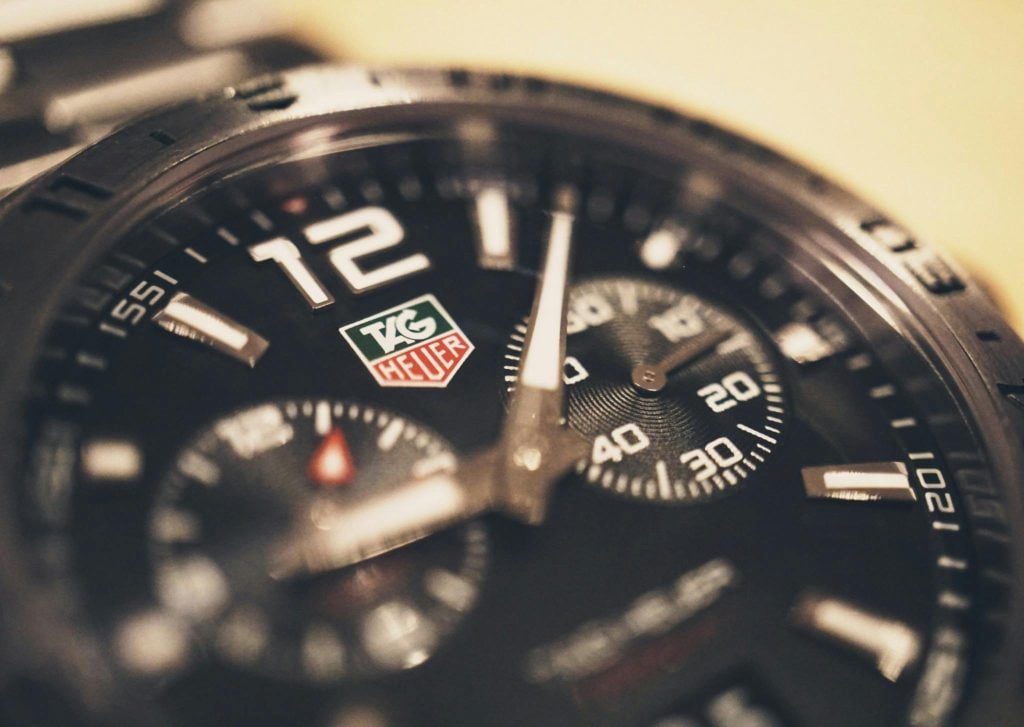

Mechanical watch movements operate without batteries. Instead, they rely on a tightly wound watch mainspring that powers the watch as it unwinds. There are two mechanical subtypes:
Pros:
Cons:
Mechanical watches are ideal for collectors and enthusiasts who value tradition and engineering. Calibers like the ETA 2824 or Sellita SW200 are known for their durability and repairability.

Invented in the 1960s, quartz watch movements revolutionized timekeeping. These battery-powered systems use a quartz crystal oscillator to regulate time, offering outstanding precision.
Pros:
Cons:
Quartz is perfect for everyday wearers and anyone looking for a worry-free, reliable watch. Brands like Citizen and Ronda offer quartz calibers found in both entry-level and premium models.
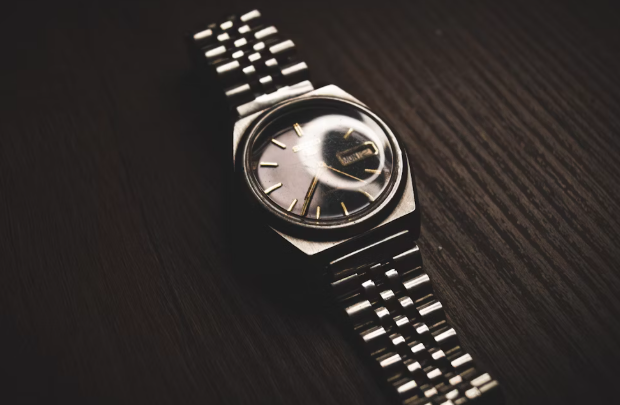
These combine quartz accuracy with rechargeable energy sources like light (solar) or motion (kinetic). Notable examples include Citizen Eco-Drive and Seiko Solar.
Pros:
Cons:
Solar movements are great for modern users who want a sustainable, low-maintenance option without sacrificing precision.
When it comes to longevity, mechanical movements—especially Swiss or high-end Japanese—are unmatched, provided they’re serviced regularly. But let’s take a closer look at what truly affects a movement’s lifespan:
Components like watch crystals, which protect the dial, also impact long-term durability. Sapphire crystals offer better scratch resistance than mineral or acrylic options.
Conclusion: For generational longevity, a mechanical movement with good service history is the best choice. For low-maintenance, eco-friendly reliability, a solar quartz movement is hard to beat.

If you’re looking for value without sacrificing quality, these movements offer the best bang for your buck:
These movements are ideal for both retail buyers and watchmakers. Explore our curated watch movements for sale to find options that fit your build.
Use Case | Best Movement Type | Why |
First-time buyer | Quartz or Solar | Low-cost, no servicing, easy to use |
Budget-focused buyer | Japanese Automatic | Durable and great value |
Watch collector | Swiss Mechanical | Craftsmanship and tradition |
Watch modder or DIY builder | Seiko NH or Miyota Automatic | Easy to find parts, highly compatible |
Heirloom or luxury choice | ETA / Sellita / High-end Swiss Auto | Long service life, high resale value |
Minimal maintenance user | Citizen Eco-Drive / Seiko Solar | No batteries to replace, years of reliability |
Need parts to support your movement? Check out our extensive inventory of watch parts supply, including watch movement parts and watch repair tools.
Both Swiss and Japanese movements are respected worldwide, but they cater to different priorities. If you’re curious about the in-depth differences—precision, finishing, cost, and compatibility—check out our dedicated article:
Japan Movement vs Swiss Movement: Which One Is Right for Your Watch?
There is no single best watch movement type—it all depends on what you prioritize:
Priority | Ideal Choice |
Maximum Accuracy | Quartz / Solar |
Long-Term Durability | Swiss or Japanese Mechanical |
Eco-Friendly, Low-Maintenance | Solar Quartz |
Affordable Automatic | Seiko NH35 / Miyota 8215 |
Collectible or Legacy Value | ETA 2824 / Sellita SW200 |
Whatever path you choose, ensure you’re sourcing from a reputable supplier. At SoflyPart, we support professional watchmakers and hobbyists with high-quality watch movements for sale and watch parts. Because the best movement is not just about time—it’s about timeless value.
Q: What is the most accurate movement type?
A: Quartz and solar movements are the most accurate, typically losing or gaining only a few seconds per month.
Q: Can automatic watches run forever without service?
A: No. Like any mechanical device, automatic watches require servicing every 3–5 years to maintain performance.
Q: What lasts longer: quartz or mechanical?
A: Mechanical movements can last longer with proper care. Quartz is often cheaper but has a shorter electronic lifespan.
Q: Can you upgrade a quartz watch to automatic?
A: Only if the case design and dimensions support it, and you have a compatible movement and dial. It’s not a typical consumer upgrade.
the source of some pictures : https://www.youtube.com/watch?v=ccWu3aZejdA