
If vintage watches captivate your heart, you’re no stranger to the exquisite, impeccably flat casebacks without grooves or slots. Despite their elegance, they often pose a remarkable challenge to even the most seasoned watch enthusiasts. Unlike their grooved counterparts, watches without grooves or slots require a bit more finesse to open without damaging or scratching them. Hence, understanding the right methods to safely open these watches becomes pivotal. It not only preserves the aesthetic appeal of your timepiece but also enhances your rapport with the intricate world of horology. With this guide in hand, you’ll master the art of dealing with these smooth casebacks without leaving a mark.


Manufacturers often make mindful design choices when creating their watches, and the caseback design is no exception. Watches with smooth casebacks, devoid of grooves or notches, offer a sleek and uninterrupted finish. They play a crucial role in showcasing the watch’s aesthetics and often lend themselves to a more classic or minimalist look, appealing to a range of buyers with varying style preferences.
Smooth casebacks are also functional. The absence of grooves means that the casebacks typically have a tight seal, which can significantly improve the water-resistance of the watch. This seal also contributes to the durability and longevity of the watch by preventing dust and debris from entering and affecting the internal mechanisms of the timepiece. However, it’s worth noting that while they add to the aesthetic and functional value of the watch, smooth casebacks can pose a challenge when it comes to opening the watch for maintenance or repair. Selecting the right tool and applying the appropriate technique is crucial to prevent any accidental damage.

Getting your watch open might seem like a daunting task, especially if it’s equipped with a caseback devoid of grooves or slots. But fear not! With the right tools, you’re more than capable of tackling this task head on. There are a few specific tools that you’ll need to open a watch without grooves. The friction ball, case back wrench, case holder, and shop vice are all necessary. Each of these tools serves a unique purpose, and each is absolutely crucial for the safe opening of the caseback.
Then there’s the preparation process. Before diving hands-first into the task, you need to ensure that your workspace is clean and free of distraction. Remember, you’ll be dealing with intricate and delicate components. An uncluttered workspace is a must. Likewise, make sure your hands are as clean as a whistle. The last thing you want to do is transfer grime or dust onto the internal mechanisms of your watch. Safety measures are also key. Protective eyewear is a good idea to keep those peepers safe. The same goes for a sturdy pair of gloves to guard your fingers against any incidental nicks or scratches. Lastly, patience and a bit of good old-fashioned elbow grease will go a long way in this endeavor. So take a deep breath, muster your courage, and let’s crack that watch open!

Opening a watch that doesn’t have grooves might look like a daunting task at first glance. You’ll need to locate the spot on the caseback that will serve as your starting point. Make a close examination of the circumference; search for a small notch, indentation, or an area where the caseback and the body of the watch don’t align perfectly. This is often where your appropriate tool will gain the space needed to create leverage.
Once located, the actual opening is a careful process. Use an appropriate tool – like the tip of a case knife – that is designed specifically to cater for smooth casebacks. Firmly grasp the watch with one hand and the tool with the other. Gently, insert the tool tip into this starting point on the snap back case. Apply a subtle upward force and the caseback should pop open.
The importance of protecting the watch from damage during this process cannot be overstressed. Make sure to cushion the watch case to protect it from any accidental scratches or cosmetic damages; a soft cloth or a specially designed watch holder can serve this purpose. Also, ensure to apply careful, slow, and measured pressure to prevent damaging any internals when the caseback comes off. Patience is indeed a virtue when it comes to opening watches without grooves.
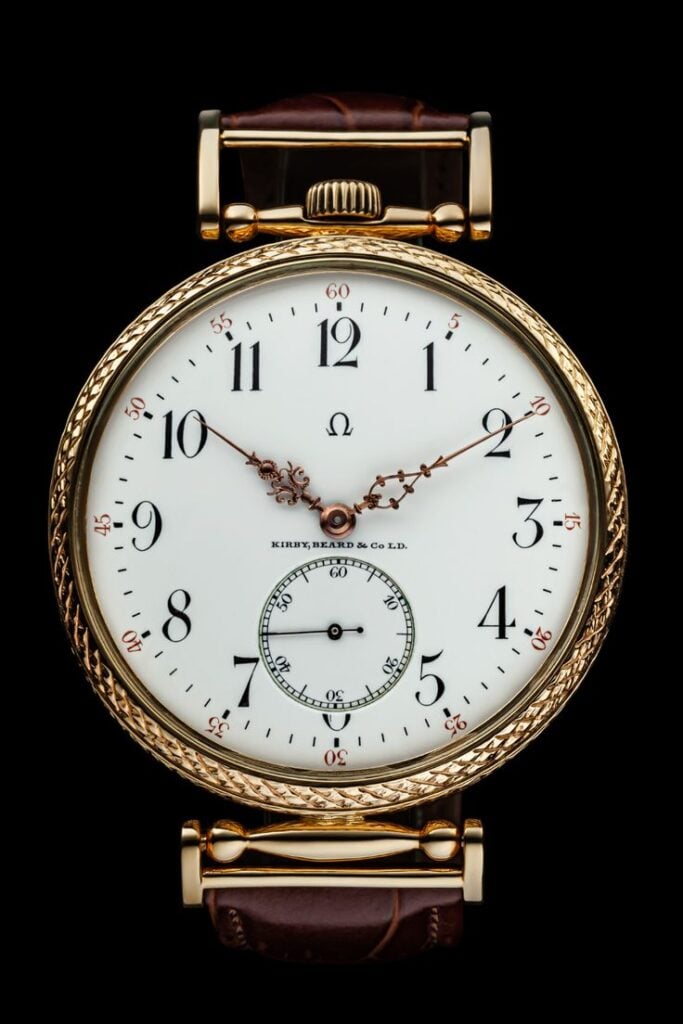
Despite meticulously following the correct procedure, you may still run into unexpected challenges when attempting to open a watch without grooves. However, don’t let these obstacles deter you. This section aims to provide you with practical solutions to some of the most common issues that may arise.
One common issue is encountering resistance when trying to open the caseback using the recommended tools. This could be attributed to the watch having been sealed tightly during its last servicing, or due to accumulated dirt and oils. If this happens, try applying a little more pressure, but ensure this is done evenly to prevent damaging the watch. If the caseback still remains resistant, we advise seeking help from a professional.
Sometimes, even after successfully removed the caseback, you might observe that the internal mechanism isn’t functioning as it should be. It might be tempting to tinker around, but our advice is to resist. A mechanical watch is a precise piece of technology, composed of tiny interconnected parts. Any tampering, especially if done without proper knowledge, could lead to significant, costly damage. Instead, if you notice any issues with the workings of the watch, it is best to take it to a professional for diagnosis and repairs.
Another possible problem is accidentally scratching the caseback while trying to open it, especially if you’re a beginner. To avoid this, practice on an inexpensive watch until you’re comfortable with the process, and always make sure you’re using the right tool for the job.
In summary, while encountering issues is common, the key is to remain patient and gentle. And remember, if a task seems too challenging, there’s no shame in seeking professional help.
Despite meticulously following the correct procedure, you may still run into unexpected challenges when attempting to open a watch without grooves. However, don’t let these obstacles deter you. This section aims to provide you with practical solutions to some of the most common issues that may arise.
One common issue is encountering resistance when trying to open the caseback using the recommended tools. This could be attributed to the watch having been sealed tightly during its last servicing, or due to accumulated dirt and oils. If this happens, try applying a little more pressure, but ensure this is done evenly to prevent damaging the watch. If the caseback still remains resistant, we advise seeking help from a professional.
Sometimes, even after successfully removed the caseback, you might observe that the internal mechanism isn’t functioning as it should be. It might be tempting to tinker around, but our advice is to resist. A mechanical watch is a precise piece of technology, composed of tiny interconnected parts. Any tampering, especially if done without proper knowledge, could lead to significant, costly damage. Instead, if you notice any issues with the workings of the watch, it is best to take it to a professional for diagnosis and repairs.
Another possible problem is accidentally scratching the caseback while trying to open it, especially if you’re a beginner. To avoid this, practice on an inexpensive watch until you’re comfortable with the process, and always make sure you’re using the right tool for the job.
In summary, while encountering issues is common, the key is to remain patient and gentle. And remember, if a task seems too challenging, there’s no shame in seeking professional help.
Our exploration of opening a watch’s caseback without grooves underscores the importance of using correct techniques and appropriate tools for the safety and longevity of your prized timepiece. Whether you’re a watch enthusiast or a professional watchmaker, the right case back removal tools not only make the process smoother but also protect your watch from potential damage. Familiarity with the specific watch you are dealing with is vital. Don’t practice on your expensive watch; instead, do dry runs on less valuable pieces to hone your skills. Tools such as a friction ball, case back wrench, and case holder for screw-back watches, or a case knife for snap back ones, are crucial. Lastly, remember, closing the watch back should be done using a watch case press with various sizes of nylon pieces for a perfect fit and to avoid cracking the crystal with undue force. This intricate procedure underlines the thought and craftsmanship that goes into every watch, and by respecting these guidelines, we can ensure our precious timepieces tick away reliably and beautifully for years to come.
Absolutely, using non-specialized tools to open the caseback of a watch can lead to potential damage. This risk includes scratching the watch or the caseback, unintentionally dislodging internal components, or even breaking the caseback itself. Always use proper watch case back removal tools to minimize these risks.
The frequency of professional servicing for a watch with a smooth caseback tends to correspond with the type and complexity of the watch movements, rather than the presence or absence of grooves on the back. A basic rule of thumb is that mechanical watches should generally be serviced every three to five years while quartz watches can run up to 7 to 10 years. However, different brands may have their own recommended service intervals; hence it is always wise to consult the user manual or the manufacturer’s website for accurate information.
Yes, there are specific watch brands that predominantly use smooth casebacks without grooves or slots. One of the primary examples is Rolex, whose watches are renowned for their smooth, screw-off case backs. Similarly, Sub-brands like Tudor often carry this design trait forward. Additionally, many luxury brands opt for this design to create space for custom engravings or markings, enhancing the exclusiveness of the watch. However, don’t forget that every brand may have varying designs across their ranges, and exceptions to this rule are quite possible.
The adoption of smooth casebacks in watch design is tied to history and functionality. Earlier, watch companies aimed for a sleek and refined look, and the smooth caseback fitted this aesthetic perfectly. It provided a blank canvas for personal engravings or company logos. Functionally, many dive and sports watches used smooth casebacks for enhanced water and dust resistance. Over time, certain brands and models, such as Rolex and Tudor, become associated with this style, reinforcing its prominence.
Yes, there can be differences in water resistance between watches with grooved and smooth casebacks. Screw-type or grooved casebacks, commonly found in brands like Rolex and Casio, offer superior water resistance compared to smooth casebacks. The grooves allow for a tighter seal, reducing the risk of water infiltration. This characteristic makes them a common choice for dive watches and other water-resistant models. While smooth casebacks can still be made water-resistant, they rely more on internal gaskets and precision engineering to prevent water penetration.
The intricate mechanism of each watch is a work of art. Every luxury watch has its level of craftsmanship and quality. Each is created artistically by expert watchmakers making the timepiece have an elegant design and accurate timekeeping. But, luxury watch collectors prefer mechanical or automatic movements. Let yourself fall into one of the types of a watch movement and share your ideas below if you have different insight!