Is a Watch Gasket Really Important for Water Resistance and Longevity?
Short answer: yes. A watch gasket is essential. It’s a small part most people never think about, but it’s the main reason moisture, dust, and humidity stay out of your watch. Once a gasket stops sealing properly, even a well-built, water-resistant watch can slowly suffer internal damage—often without obvious warning.
Most watch owners only notice gaskets after something goes wrong. Maybe you see fog under the crystal. Maybe the crown feels stiff. Or maybe the watch suddenly fails a water-resistance test it used to pass. In this guide, we’ll break down what a watch gasket does, how it protects your watch, why it wears out, and when replacing it actually matters.
What Is a Watch Gasket?
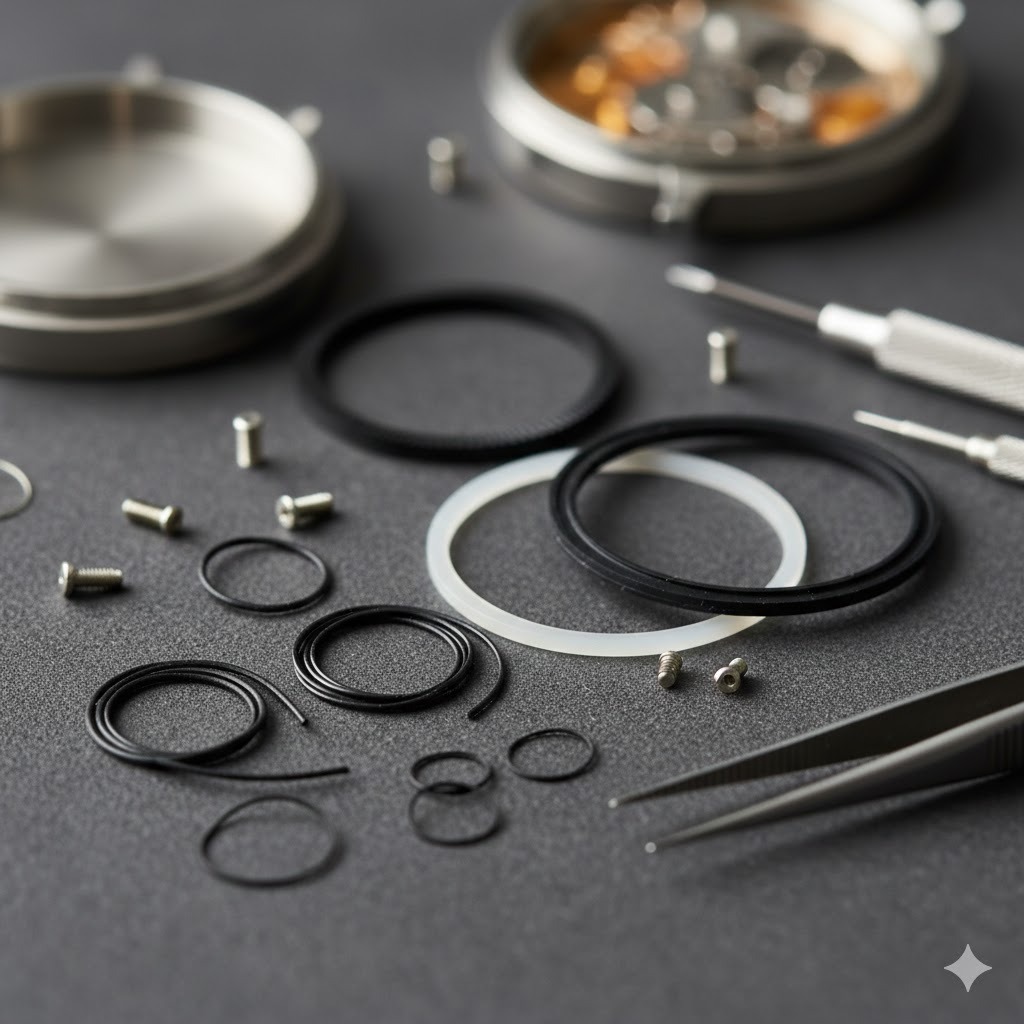
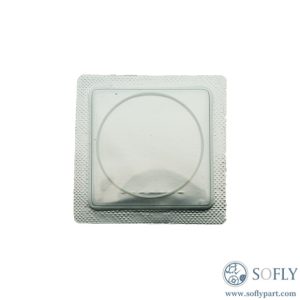
A watch gasket is a sealing component that blocks water, air, dust, and debris from entering the watch case.
Unlike coatings or adhesives, a gasket works through compression. When the watch is assembled, the gasket is slightly squeezed between two solid surfaces. That pressure fills microscopic gaps and creates a physical barrier contaminants can’t pass through.
Watch Gasket Definition and Core Function
The gasket’s role is simple but precise: it seals the tiny spaces between metal parts, glass, and moving components. Those gaps are invisible to the eye, but moisture has no trouble finding them.
No gasket means no seal. And without a seal, water resistance doesn’t exist—no matter how solid the case looks.
Common Watch Gasket Materials
Most watch gaskets are made from one of the following materials:
Rubber: Common and affordable, but more prone to aging and hardening
Silicone: More flexible and resistant to drying over time
PTFE (Teflon): Used in higher-end or professional applications for stability and chemical resistance
Each material behaves differently under heat, pressure, sweat, and time. That’s why gasket lifespan varies so much between watches.
Where Watch Gaskets Are Used
A typical watch relies on several gaskets working together:
If even one of these seals fails, the entire case is compromised.
How Do Watch Gaskets Protect Your Watch?
Watch gaskets protect your watch by forming compressed seals at every opening in the case.
Waterproof Sealing Through Compression
When installed correctly, a gasket creates a tight barrier that blocks moisture during everyday exposure—washing your hands, rain, sweat, or accidental splashes. It doesn’t need deep water to do its job. Its real purpose is to stop moisture before it reaches the movement.
Protection From Dust and Humidity
Water isn’t the only threat. Dust and humid air slowly damage a watch from the inside. Intact gaskets help reduce:
Corrosion on metal components
Breakdown of movement lubricants
Long-term wear on gears and pivots
Even watches that “never get wet” still rely on healthy gaskets.
Preventing Internal Fogging
Fogging happens when moisture enters the case and condenses under temperature changes. It’s one of the earliest and most common signs of gasket failure.
If you see fog under the crystal, the seal has already been breached.
How Do Watch Gaskets Affect Water Resistance Ratings?
A watch’s water-resistance rating only applies as long as the gaskets remain intact and properly sealed.
Understanding Water-Resistance Ratings
Ratings like 30 m, 50 m, or 100 m come from controlled laboratory tests. Those tests assume the watch is:
Properly assembled
Fitted with healthy gaskets
Fully sealed at the crown and case back
Once a gasket dries out, flattens, or cracks, that rating no longer reflects real-world protection.
Components That Rely on Gaskets
Some areas are especially vulnerable:
Crown: Frequent movement accelerates wear
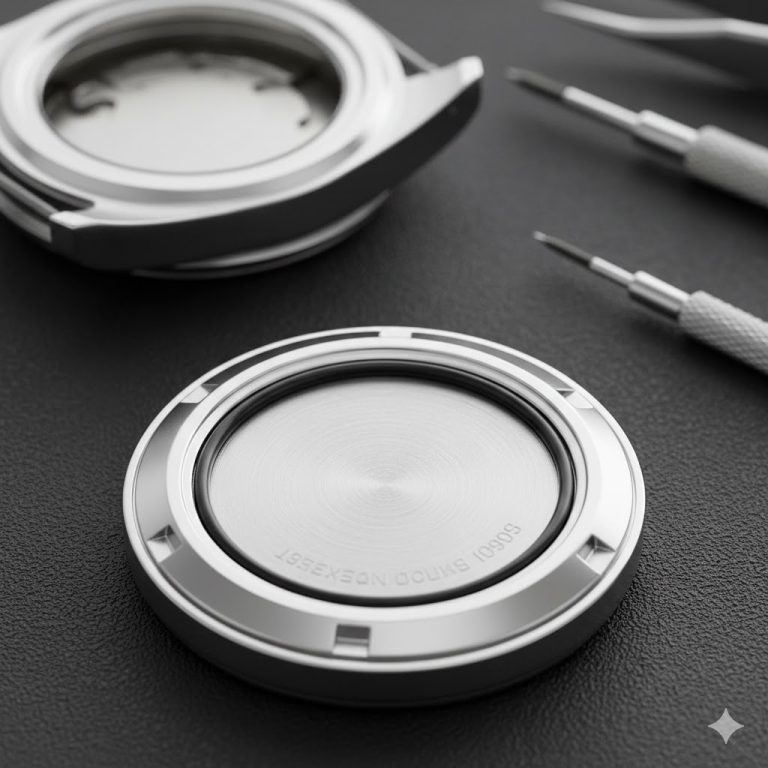
Case back: Often opened during servicing
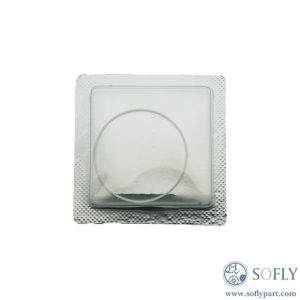
Crystal: Critical for front-end sealing
Pushers: High risk when used near water
One weak gasket is enough to let moisture inside.
Role of Gaskets in ISO Standards
Professional dive watches tested under standards like ISO 6425 rely heavily on gasket design and material quality. These watches use tighter tolerances and stronger seals—but they also require regular inspection. Even dive watches lose water resistance if their gaskets age.
Why Do Watch Gaskets Wear Out Over Time?
Watch gaskets wear out because sealing materials naturally degrade with age and exposure.
Material Aging and Loss of Elasticity
Over time, gaskets can:
Dry out
Harden
Flatten or crack
Once elasticity is lost, the gasket can no longer maintain consistent pressure against the case.
Environmental and Chemical Exposure
Daily wear speeds up gasket aging through:
Temperature changes
Sweat and skin oils
Cleaning chemicals and soaps
These factors slowly weaken sealing performance.
Why Water Resistance Declines Even Without Water
A common misconception is that water resistance only fails after water exposure. In reality, a watch can lose water resistance simply because its gaskets have aged—even if it’s never been submerged.
What a Failed Watch Gasket Looks Like in Real Life
In actual watch servicing, failed gaskets often don’t look dramatic. They’re usually brittle, flattened, or stuck in the groove rather than visibly torn.
Instead of feeling soft and elastic, the gasket may crumble when removed. At that point, the seal has already failed. Moisture doesn’t need a flood to get inside—humidity alone is enough.
Watch owners frequently describe this scenario in the r/Watches community: a “water-resistant” watch that never saw abuse, yet reveals dried, hardened gaskets during servicing. Nothing dramatic happened. The seals simply aged.
When Should Watch Gaskets Be Replaced or Serviced?
Most watch gaskets should be inspected or replaced every 2–5 years, depending on use and environment.
Recommended Replacement Intervals
Dive watches: Inspect more frequently
Daily wear watches: Base timing on age and exposure
Vintage watches: Extra caution is essential
Regular checks matter more than strict schedules.
DIY Replacement vs. Professional Service
Replacing a gasket yourself may look simple, but it comes with real risks:
Incorrect gasket sizing
Improper seating
Over- or under-lubrication
No pressure testing
Without testing, there’s no reliable way to confirm the seal works.
Using the Right Gaskets Matters
Not all replacement gaskets perform the same. Material quality, dimensional accuracy, and long-term elasticity directly affect whether a watch can regain its original water resistance.
That’s why many experienced watchmakers rely on specialized suppliers like SoflyPart, which focus on precision sizing and consistent materials instead of generic, one-size-fits-all replacements. When gasket dimensions or compound quality are slightly off, the seal may look fine but fail under real-world pressure or temperature changes.
For professionals and serious enthusiasts, choosing the correct gasket isn’t an upgrade—it’s restoring the seal the watch was designed to have.
Lubrication and Gasket Longevity
Professional servicing also includes lubricating gaskets with silicone grease. This helps maintain flexibility, reduce friction, and stabilize the seal over time.
$8.00 You Saved Select options
This product has multiple variants. The options may be chosen on the product page
What Common Mistakes Damage Watch Gaskets?
Most gasket failures come from neglect rather than accidents.
Misunderstanding Water-Resistance Ratings
Water resistance doesn’t last forever. Ratings only apply while seals remain healthy.
Skipping Regular Maintenance
Waiting until fogging or malfunction appears usually means internal damage has already started.
Improper Handling of Crowns and Pushers
Leaving the crown unscrewed or pressing pushers near water puts direct stress on gaskets and often leads to failure.
FAQs — Watch Gasket Questions Many Owners Overlook
1. Can a watch lose water resistance even if it never gets wet?
Yes. Gaskets degrade naturally with age and environmental exposure.
2. Does replacing a gasket restore factory water resistance?
It can—but only if the correct gasket is used and the watch passes pressure testing.
3. Are gaskets different for quartz and mechanical watches?
The sealing principle is the same, though case designs and tolerances may differ.
4. Why does a watch fog up despite a 50 m or 100 m rating?
Fogging usually indicates moisture entry caused by gasket failure or an unsecured crown.
Conclusion — Is the Watch Gasket Important?
Absolutely. A watch gasket may be small, but it plays a major role in water resistance and long-term reliability. It protects the movement from moisture, dust, and corrosion—and once it fails, damage can escalate quickly and quietly.
If your watch sees regular water exposure, shows signs of fogging, or hasn’t been serviced in years, checking the gaskets during your next service is a smart preventive step. Maintain the seal, and you protect the watch itself.