$2.50
You Saved
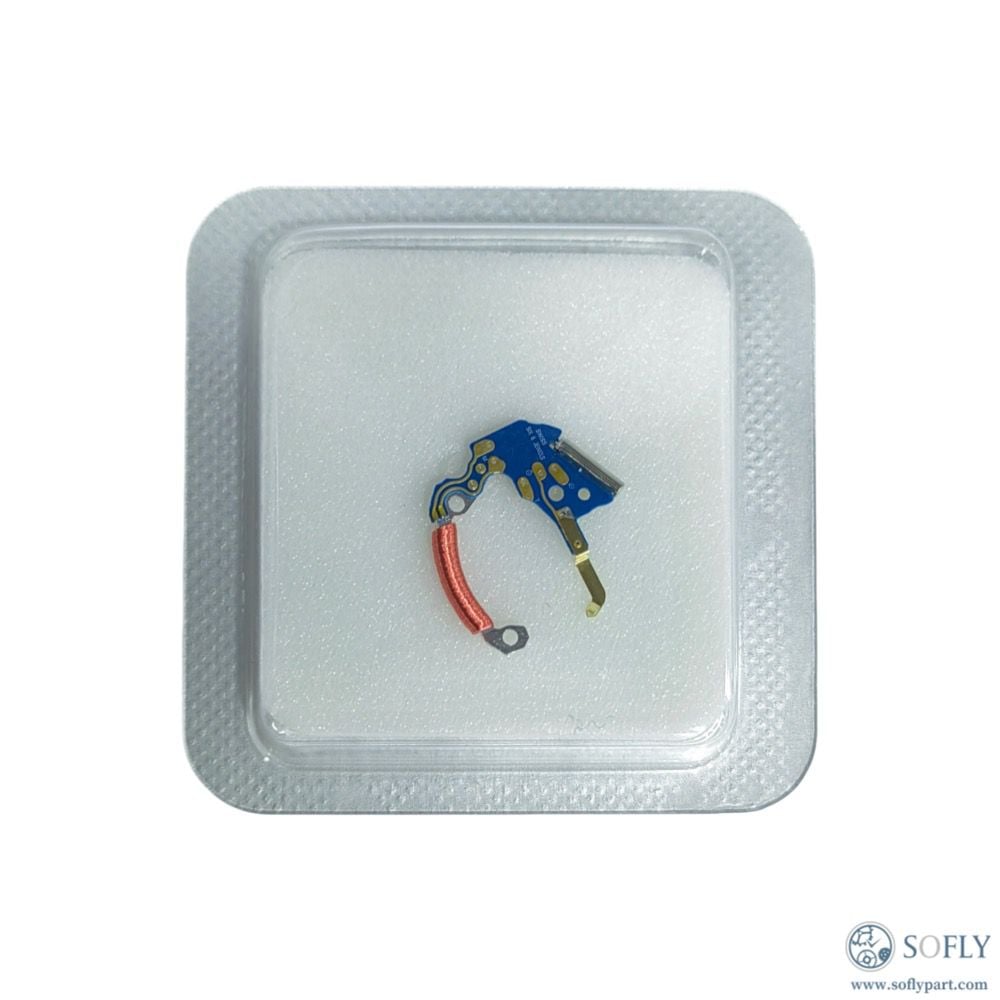
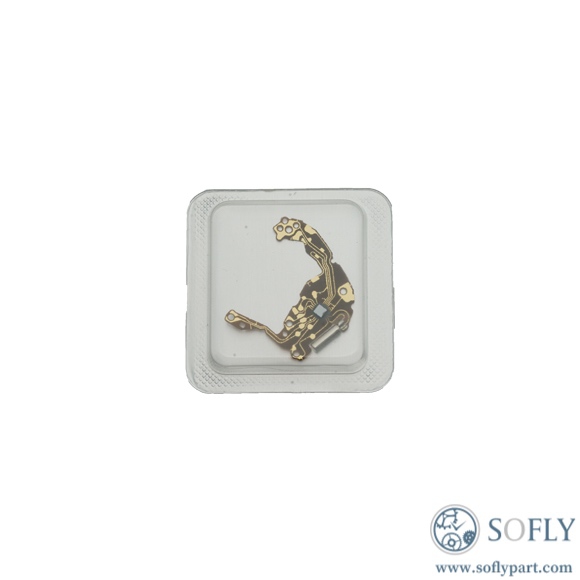
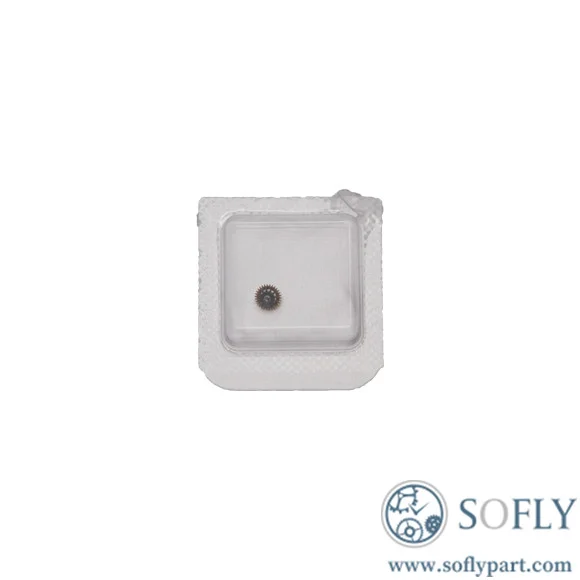
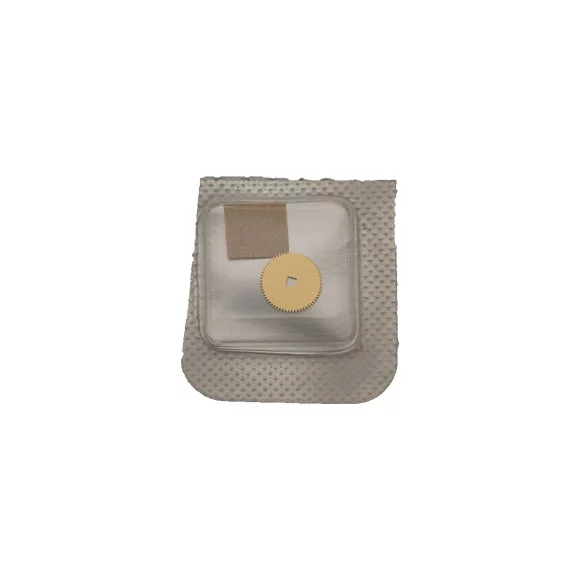
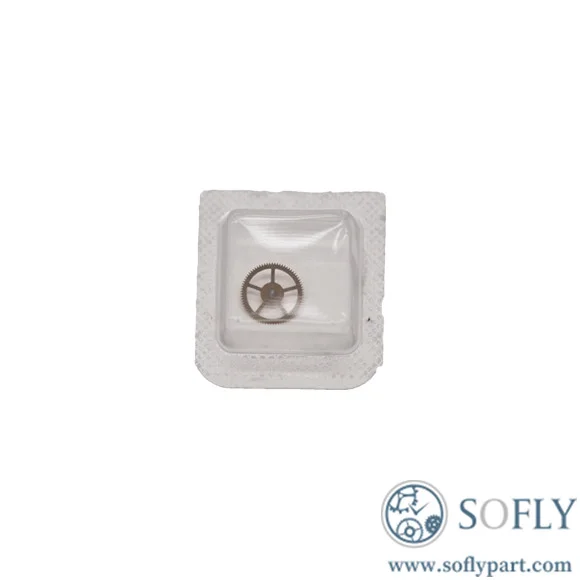
This is a genuine ETA 2892-415 ratchet wheel, an original Swiss-made component for the ETA 2892-2 automatic movement. As part of the automatic winding system, the ratchet wheel works in conjunction with the crown wheel to transfer manual winding motion to the mainspring barrel, enabling efficient power storage .
This brand new original part is essential for watchmakers restoring proper winding function when the original wheel becomes worn or damaged.
The ratchet wheel is located on the mainspring barrel arbor on the bridge side of the movement. Proper function is essential for manual winding.
Signs of Ratchet Wheel Wear:
Crown spins without engaging the winding mechanism
Grinding or rough feeling when winding
Difficulty winding the watch
Clicking or skipping sensation during winding
Visible wear or damage to the ratchet wheel teeth
Proper Handling Tips:
Use non-metallic tweezers when handling the wheel to avoid damaging the teeth
Keep the pivot ends clean and free of old oil
The ratchet wheel works with the crown wheel – inspect both when replacing
Tools Required:
Non-metallic tweezers
Screwdrivers (1.20mm, 1.40mm, 1.60mm)
Movement holder
Loupe or microscope (10x recommended)
Rodico cleaning putty
Appropriate watch oils (Moebius 9010, HP 1300)
Step-by-Step Installation:
Step 1: Movement Preparation
Remove the movement from the watch case
Remove the hands and dial
Remove the automatic module to access the winding train
Remove the barrel bridge to access the ratchet wheel
Step 2: Remove the Old Ratchet Wheel
Locate the ratchet wheel on the mainspring barrel arbor
Using non-metallic tweezers, carefully lift the old ratchet wheel from its pivot
Note the orientation and any washers or spacers
Step 3: Inspect and Clean
Inspect the crown wheel for signs of wear
Clean the pivot area using Rodico to remove old oil and debris
Check that all teeth are intact on the new wheel
Step 4: Install the New Ratchet Wheel
Position the new genuine ETA 2892-415 ratchet wheel onto the barrel arbor
Ensure the wheel sits flush and engages properly with the crown wheel
The wheel should rotate freely but with minimal play
Step 5: Lubrication
Apply Moebius 9010 to the ratchet wheel pivot
Apply a small amount of Moebius HP 1300 to the teeth contact points
Avoid over-lubrication, which can attract dust
Step 6: Reassembly and Testing
Reinstall the barrel bridge, automatic module, dial, and hands
Test manual winding: turn crown clockwise – should feel smooth with consistent resistance
Test automatic winding: rotate the rotor – the movement should wind efficiently
Verify that the crown does not slip or skip during winding
Common Symptoms of Ratchet Wheel Issues:
| Symptom | Possible Cause |
|---|---|
| Crown spins without winding | Worn ratchet wheel teeth or stripped crown wheel |
| Winding feels rough or gritty | Worn teeth on ratchet wheel or debris in mechanism |
| Clicking or skipping during winding | Broken or chipped tooth on ratchet wheel |
| Manual winding fine, automatic winding works | Crown wheel or ratchet wheel wear |
Diagnostic Process:
Visual Inspection: Under magnification, examine the ratchet wheel teeth for wear, chipping, or deformation. The ratchet wheel has a special tooth profile designed for smooth engagement .
Crown Wheel Check: Inspect the crown wheel for wear – worn crown wheel teeth can damage the ratchet wheel.
Winding Test: Manually wind the movement while observing the ratchet wheel – it should turn smoothly without skipping.
When Replacement is Necessary:
Visible tooth damage or wear on the ratchet wheel
The wheel does not engage properly with the crown wheel
Stripped threads or damaged pivot
The movement has been in service for 5+ years and manual winding feels loose
Preventive Maintenance:
Service the movement every 3-5 years
During service, inspect both the ratchet wheel and crown wheel
Use proper lubrication (Moebius 9010 on pivots, HP 1300 on teeth)
Replace worn components as a set when necessary
When to Seek Professional Help:
You lack experience with movement disassembly
Multiple components show signs of wear
The movement has other issues affecting timekeeping
You do not have a timing machine for verification
Q1: Which movement is this part compatible with?
A: This ratchet wheel is specifically designed for the ETA 2892-2 automatic movement. The 2892-2 is a 25.60mm diameter, 3.60mm thick movement with 21 jewels and 28,800 vph frequency . It is not compatible with ETA 2824 or 2892-A2 without verification.
Q2: What is the function of the ratchet wheel?
A: The ratchet wheel is mounted on the mainspring barrel arbor. When the crown is turned clockwise for manual winding, the crown wheel engages with the ratchet wheel, turning the barrel arbor to wind the mainspring. The ratchet wheel has a special tooth profile designed for smooth engagement and efficient power transfer .
Q3: What other parts should I inspect when replacing the ratchet wheel?
A: Inspect the crown wheel (part 2892-413) for wear. The ratchet wheel and crown wheel work together as a system – wear on one component often affects the other. Also check the barrel arbor for damage and the mainspring for fatigue. The 2892-2 is known for its reliability, but proper maintenance of the winding train is essential .
Q4: Can I install this part myself?
A: This part requires movement disassembly, including removal of the automatic module and barrel bridge. Professional installation by a qualified watchmaker is strongly recommended. Improper installation can damage the winding mechanism or affect manual winding function. The ETA 2892-2 is a precision movement used in many luxury watches .
Fast worldwide shipping within 3 business days.
Competitive pricing on Seiko/Hattori calibers.
3,000+ watch movements and parts in stock.
Trusted by watchmakers worldwide.
Personalized sourcing support via [email protected] or WhatsApp +86 18620212114.