
Has your Rolex crown stopped screwing down, become difficult to turn, or gone missing? Two crowns may look alike but use different tubes, stem threads, sealing systems, or dimensions. This can make the right Rolex crown replacement hard to identify.
A reliable selection follows three stages. First, use the watch reference to filter the catalogue. Next, check the crown system and mechanical interfaces. Then use dimensions, material, finish, and part status to confirm the exact variant.
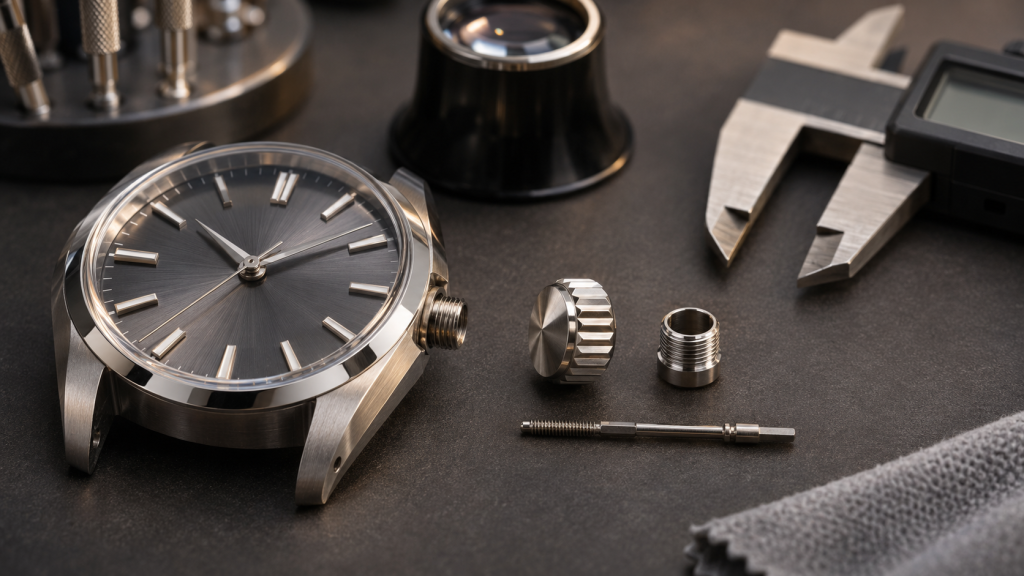
Start with the broadest identification field and move toward the details that decide physical fit. The sequence below reflects how product listings and crown interfaces work. Use the steps below as a practical sourcing guide to read product listings and verify compatibility before ordering.
Record the complete watch reference before searching for a crown. A family name such as Datejust, Submariner, or Daytona can include several generations, case sizes, materials, and crown systems. The full reference gives you a smaller group of plausible parts.
Service history belongs in this first stage. A watch may already have a later service crown, replacement case tube, or modified stem. Keep any repair invoice, supplier label, old packaging, or visible part number. If the history is unknown, photograph the crown face, crown side, and case-tube area before removing or cleaning anything.
Next, check the interfaces that connect the crown to the watch. The crown must engage the case tube and attach to the winding stem. The Twinlock or Triplock system also changes the crown-and-tube sealing architecture.
Record the crown system and tube part number or dimensions when available. Add the tube thread and condition, plus the stem thread or tap size. These fields decide whether a candidate can connect to the parts already fitted. A matching watch reference is useful, but previous service work can make the current tube or stem different from the original configuration.
Once the reference and interfaces agree, compare the outside diameter and overall height. Then check the material, finish, and genuine, service, or aftermarket status. These fields identify the specific version that suits the case and the repair goal.
This three-stage method gives each specification a clear job:
Reference and service history: Reduce the catalogue to plausible candidates.
Crown system, case tube, and stem thread: Determine mechanical compatibility.
Dimensions, material, finish, and part status: Confirm the exact variant to order and document
The winding stem links the crown to the movement. The case tube guides the stem through the case and provides the thread for the screw-down crown. The crown therefore has two separate connections: one to the winding stem and one to the case tube.
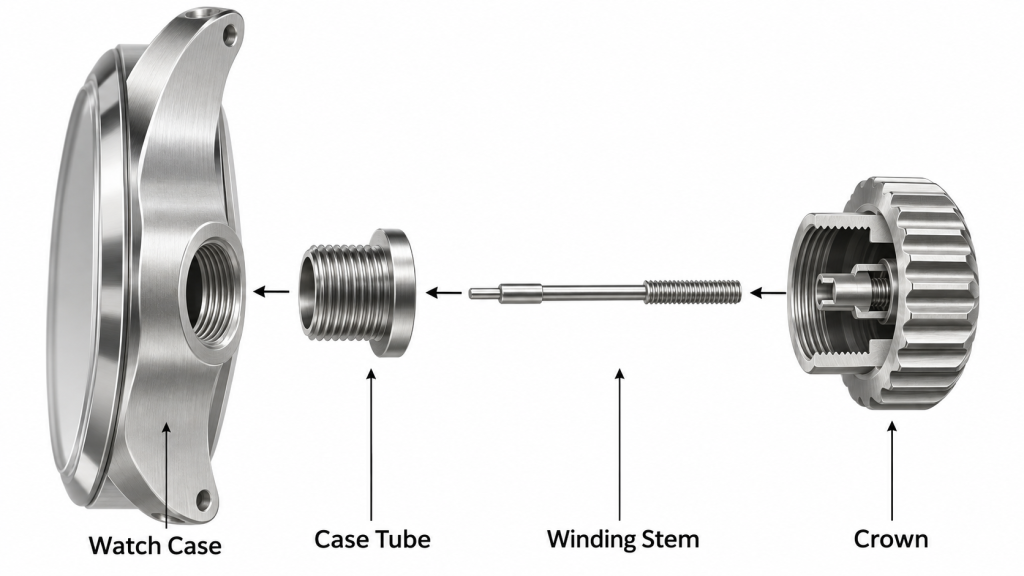
Tap size refers specifically to the thread connecting the winding stem to the crown. It does not describe the case-tube thread or crown diameter.
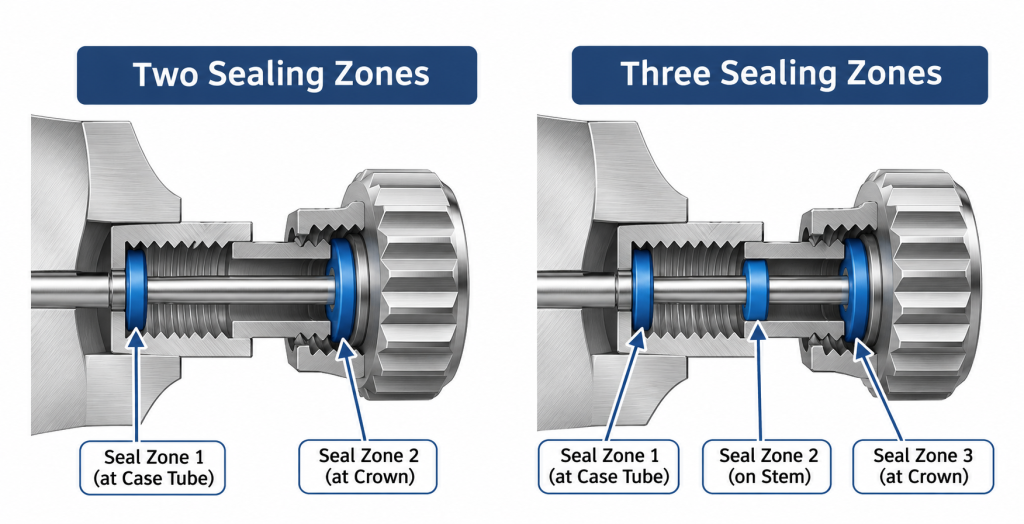
Twinlock uses two sealed zones: one inside the case tube and one inside the crown. Triplock adds a second sealed zone inside the tube, giving it three sealed zones in total. This extra barrier provides greater water-resistance capability. Rolex therefore uses Triplock on its divers’ watches and several other Professional models.
For crown replacement, Twinlock and Triplock should be treated as different crown-and-tube systems. Confirm the system used by the watch reference, then match the crown to the correct case-tube family. After that, verify the stem thread or tap size, dimensions, material, and finish.
The useful comparison is the purchase scenario. Each job gives a different weight to official service, period accuracy, cost, supply, or repeatable workshop stock.
Rolex states that its official service process assesses the watch, replaces components that no longer meet its requirements with genuine parts, renews seals, and tests waterproofness. The official Rolex servicing procedure explains that route.
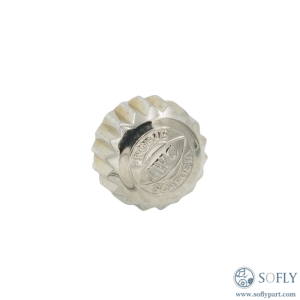
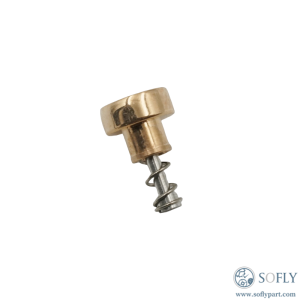
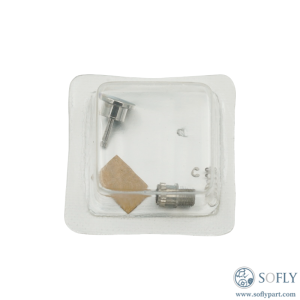
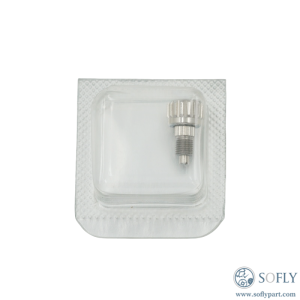
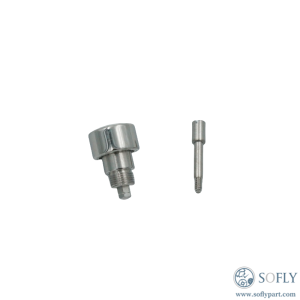
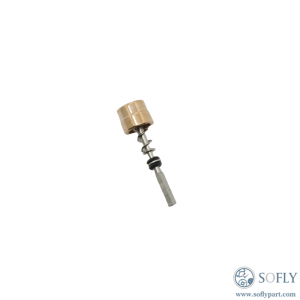
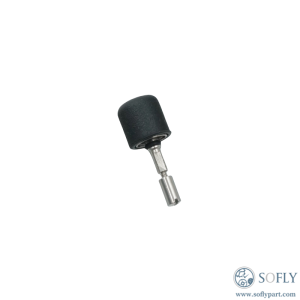
A successful crown replacement means checking the full watch reference and confirming that the crown is compatible with the case tube and winding stem, with the right dimensions and material for your Rolex. Before ordering, gather the reference, clear photos, visible part numbers, measurements, and any known service history.
Send these details to Soflypart for help narrowing the catalogue to suitable candidate crowns and related parts. You can then share the recommended product link and specifications with a local watchmaker for final inspection, installation, and pressure testing when required. Browse Soflypart’s generic Rolex parts to get started.
Start with the full watch reference, then identify the Twinlock or Triplock system, fitted case tube, and winding-stem tap size. Use the available case space, required material, and clear photos to compare candidates. If the service history is unknown, ask the supplier to confirm the match before ordering.
Organize replacement crowns by supplier part number and compatible references. Record the crown system, tube family, tap size, dimensions, material, and finish. Keep genuine, service, and aftermarket parts separate. Crown diameter should be used as a confirmation field, not the main inventory category.
No. Similar dimensions do not guarantee compatibility. You can send Soflypart the reference, photos, measurements and visible part numbers to help identify a candidate crown. Because the tube, stem threads and previous repairs may require physical inspection, a local watchmaker should confirm the final fit. Soflypart’s candidate can help the watchmaker find the correct replacement faster.