
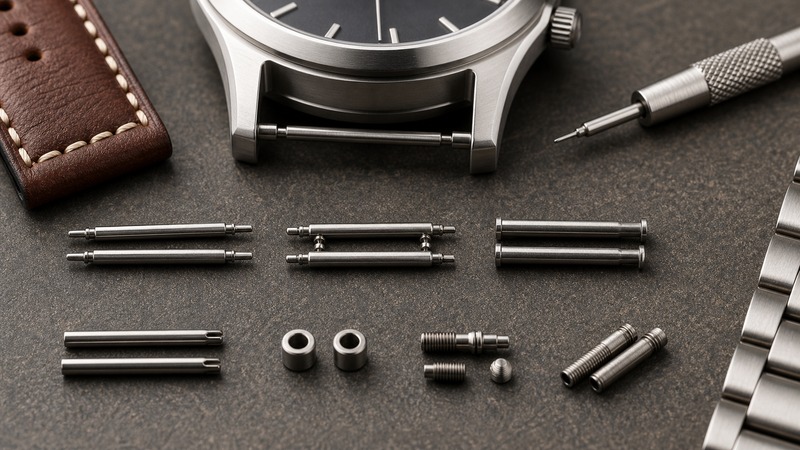
Watch band pins hold a strap or bracelet securely to the watch. Most strap repairs use spring bars, while metal bracelets may need link pins, collars, or screws. Before buying watch band pins replacement parts, confirm the pin type, lug width, diameter, end style, and the tool needed for removal.
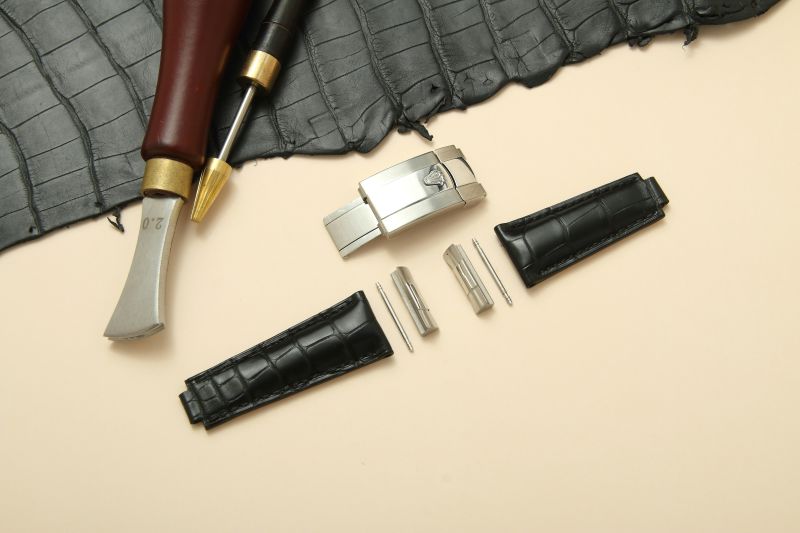
Watch band pins are small metal connectors used to attach or adjust a watch strap or bracelet. In everyday use, the term often means spring bars. In metal bracelet repair, it can also mean link pins, collars, or screws.
Before you order pins for watch bands, identify the job first: are you connecting the strap to the watch case, or are you adjusting links inside a bracelet? Those two repairs use different parts.
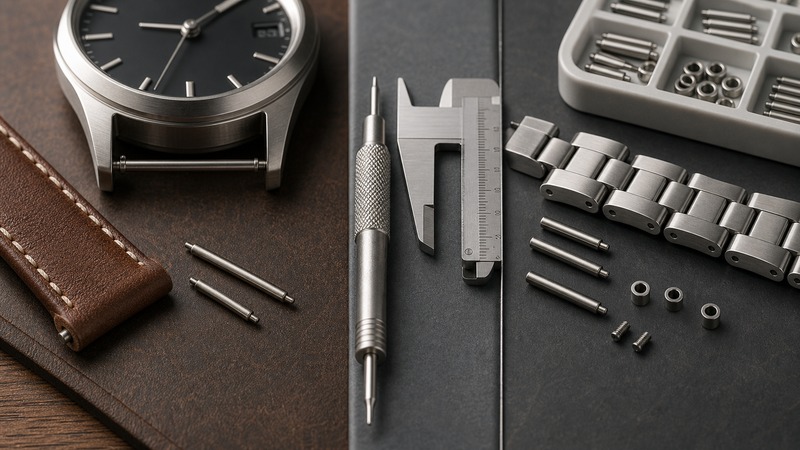
Spring bars are the most common watch band pins for strap-to-case connection. They sit between the lugs and hold leather, rubber, nylon, fabric straps, or bracelet end links in place.
A spring bar has a hollow tube, an internal spring, and two moving tips. When one tip is compressed, the bar shortens so it can fit between the lugs. Once the tip reaches the lug hole, it expands and locks into place.
Bracelet link pins connect individual links inside a metal bracelet. They may be friction push pins, split pins, pin-and-collar systems, or screws.
This distinction matters when you shop for watch band pin replacement parts. If the strap has detached from the case, check spring bars first. If the bracelet length needs adjustment, check the bracelet link pins, collars, or screws.
Quick release pins are spring bars with a small lever built into the bar. They let you remove a compatible strap without a separate spring bar tool.
They work well for frequent strap changes, but they still need to match the lug width, strap slot, and case shape. A quick release pin is not automatically stronger than a standard spring bar. It is simply easier to remove when the strap is designed for it.
You need a watch band pin replacement that matches the part location, strap type, and watch case design. Start by deciding if the pin connects the strap to the watch case or adjusts links inside a bracelet.
A simple way to choose is to look at the old part. If it has spring-loaded tips and sits between the watch lugs, it is probably a spring bar. If it slides through metal bracelet links, it is a bracelet pin or screw.
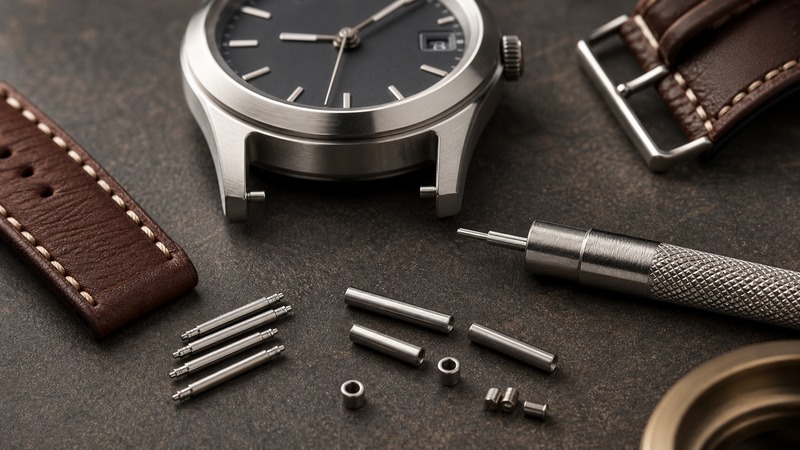
Most leather, rubber, canvas, and nylon straps use spring bars. Some modern straps use quick release spring bars.
For these straps, your main checks are:
For replacement parts, Soflypart lists watch spring bars as a relevant category for this type of repair. Always confirm the size and style before ordering.
Metal bracelets may use several pin systems. Some use friction push pins. Some use split pins. Others use screws or pin-and-collar systems.
Look at the side of the bracelet links and the underside of the bracelet. Many bracelets have arrows that show the direction for removing bracelet pins. If you see screw heads, you need the right screwdriver rather than a pin pusher.
Do not order spring bars when you need bracelet link pins. A spring bar may attach the bracelet to the case, but it will not replace the pin inside a bracelet link.
Quick release spring bars can be useful if you switch straps often. They reduce the need to use a spring bar tool each time.
They work best when the strap was designed for quick release pins. They are less suitable when the strap material is too thick, the quick release slot does not align well, or the case shape leaves little room for the lever.
For a watch that uses standard straps and standard lugs, quick release can make strap changes faster. For older cases, tight lug shapes, or bracelets with fitted end links, standard spring bars may still be the better match.
Measure watch band pins by checking lug width first, then pin diameter, then end style. Length alone is not enough for a reliable watch band pins replacement.
A pin that is the right length but wrong diameter can feel loose, bind inside the strap, or fail to seat cleanly in the lug holes. Take your time here. A 30-second measurement can save you from ordering parts twice.
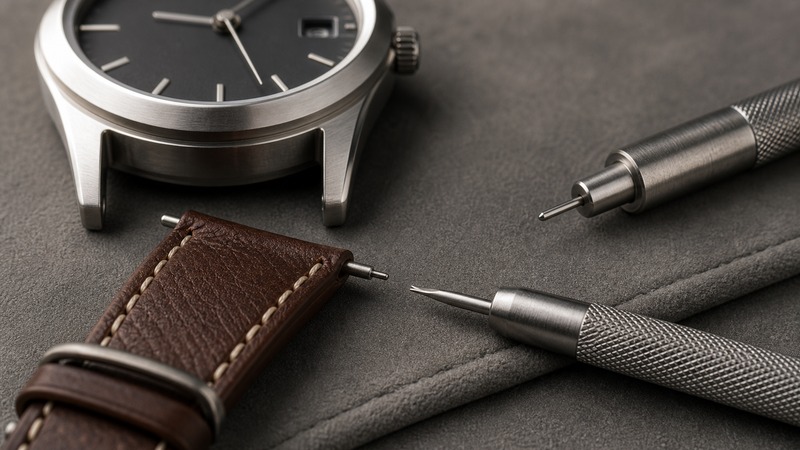
Lug width is the inside distance between the two watch lugs. It is usually measured in millimeters.
Use a caliper if you have one. If not, use a ruler with millimeter marks and measure carefully across the inside gap. Common lug widths include 18mm, 20mm, and 22mm, but many watches use other sizes.
Do not buy pins based only on the watch case diameter. A 40mm watch case may use 20mm lugs, but that is not a rule. The lug width is the measurement that matters for spring bar length.
Pin diameter is the thickness of the spring bar. It affects both fit and feel.
A thicker spring bar may feel more stable in the right watch, but it can be too tight for a slim strap or small lug holes. A thinner spring bar may fit easily, but it may not fill the lug hole or strap channel well.
Common spring bar diameters often appear around 1.5mm, 1.8mm, or 2.0mm, depending on the product and use case. Treat those as examples, not universal rules. The product page should be your final reference.
If the old pin fits well and is not damaged, measure it. That is often the most reliable starting point.
Spring bars also differ by end style. The end style affects how you remove and install the pin.
Common types include:
Drilled lugs give you access from outside the case lug. Non-drilled lugs usually require tool access from the gap between the strap and the lug. Choose the spring bar style that matches your case, strap, and repair method.
Replace pins for watch bands when the old pins are bent, loose, rusty, dirty, or weak in spring tension. A worn pin can make a good strap feel unstable, even when the strap itself is still in good condition.
You do not need to replace spring bars every time you change a strap. But you should inspect them during each strap change, bracelet adjustment, or repair job.
Replace a bent spring bar instead of trying to bend it back.
Once a spring bar bends, the internal spring and outer tube may no longer align correctly. It may still fit into the strap, but it may not seat cleanly in the lug hole. Replace the pin if the strap wiggles, one end slips out during installation, or the bar does not sit centered inside the strap.
A spring bar depends on spring tension to lock into the lug holes. If the tip does not return cleanly after being compressed, the pin may not hold securely.
Press each end gently before reuse. The tip should move inward and spring back without sticking. If it feels slow, gritty, or weak, choose a new watch band pin replacement instead of reusing it.
Rust, dirt, and heavy wear can stop spring bar tips from moving smoothly. They can also reduce the fit between the tip and the lug hole.
Inspect pins more often on watches worn during sports, outdoor work, or humid weather. For metal bracelets, also check link pins and screws during sizing work. A bracelet pin that looks bent, worn, or damaged should not be forced back into place.
The most common watch band pin replacement mistake is buying by length only. You also need the correct pin type, diameter, end style, and use case.
Another common mistake is using broad search terms. “Watch pins” can refer to watch hands, case pins, dial feet, bracelet pins, or spring bars. “Watch band pins” and “watch spring bars” are more accurate search terms for strap and bracelet repairs.
Strap width and lug width are related, but they are not the full answer.
A strap may be labeled 20mm because it fits a 20mm lug width. That gives you the approximate spring bar length, but it does not confirm the correct diameter or end style.
Before buying, check:
A well-matched spring bar should install without force and sit securely once both tips are seated.
Spring bars and bracelet pins solve different repair problems.
Part Type | Main Job | Common Location | Buying Check |
Spring Bar | Connects a strap or bracelet to the watch case | Between the lugs | Lug width, diameter, and end style |
Quick Release Spring Bar | Connects a compatible strap to the case with lever access | Quick release strap end | Lug width and lever slot fit |
Bracelet Link Pin | Connects metal bracelet links | Inside bracelet links | Bracelet type and pin system |
Screw Pin | Secures bracelet links with threads | Metal bracelet links | Screw size and head type |
If your strap came off the case, check spring bars first. If your bracelet length needs adjustment, check bracelet link pins, collars, or screws.
“Watch pins” is too broad for accurate shopping. It may lead to watch hands, case pins, dial feet, bracelet pins, spring bars, or unrelated results.
Use more exact terms:
Clear search terms help you find the right product page faster and reduce the chance of ordering the wrong part.
Install replacement watch band pins by fitting the spring bar into the strap first, seating one end into the lug hole, then compressing the other end until it locks into place. Always check both ends before wearing the watch.
This section covers basic installation checks. If the old pin is stuck or you need to remove bracelet link pins, use the correct tool to remove watch band pins before forcing the part.
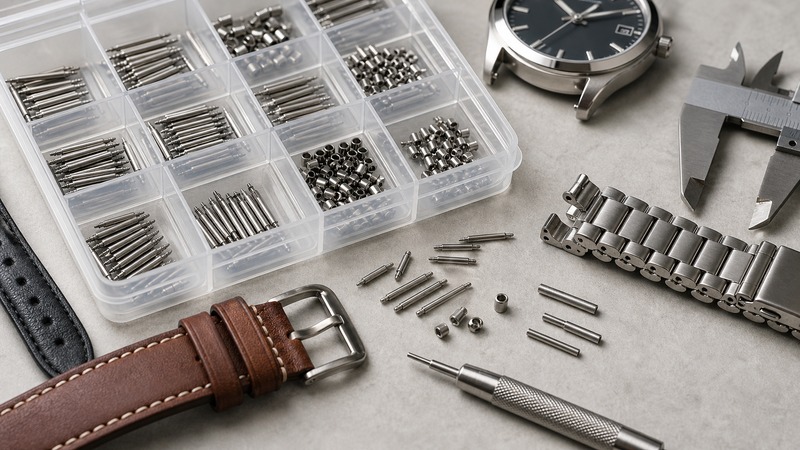
Slide the spring bar through the hole or channel at the end of the strap.
Both tips should extend evenly from the strap. If one side is hidden inside the strap or the bar does not sit centered, remove it and check the size. Do not force a thick spring bar through a tight strap channel.
For quick release straps, make sure the lever sits correctly in the strap slot. It should move without scraping the strap material.
Place one spring bar tip into the first lug hole. Then compress the other tip and guide it between the lugs.
When the second tip reaches the lug hole, it should expand into place. After installation, gently pull the strap away from the case on both sides. The strap should stay seated without one end slipping out.
A click can help, but do not rely on sound alone. The final check is a light pull test and a visual check that both tips are seated.
Some repairs need more than a short installation check.
Read a full removal guide if the old pin is stuck, the watch has drilled lugs, the bracelet has fitted end links, or the metal bracelet uses a pin-and-collar system. For bracelet link pins, a watch band pin pusher may be needed. For strap spring bars, a spring bar tool is usually the better match.
Soflypart has a dedicated guide on how to effectively remove watch band pins. Use that article for removal steps, then return to this guide for replacement sizing and buying checks.
You can find replacement watch band pins by shopping for the exact part type: spring bars for strap-to-case connection, quick release spring bars for lever-style straps, and bracelet pins or screws for metal bracelet links.
For Soflypart users, the most relevant starting point is the watch spring bars category.
Soflypart lists watch spring bars for strap and bracelet attachment work.
Before choosing a spring bar, check the product page for size, diameter, and style. Use your old pin as a reference when possible. If the old pin is missing, measure the lug width and inspect the case design.
This article does not claim one spring bar fits every watch. The correct choice depends on the watch case, strap, lug holes, and installation method.
Some users can install quick release pins by hand. Many standard spring bars are easier to handle with a spring bar tool.
If you need help choosing a tool, Soflypart has a guide to the best watch spring bar tool. For broader repair work, you can also browse watch repair tools.
Use the tool guide for tool selection. Use this page for watch band pins replacement sizing and buying decisions. Keeping those jobs separate makes the repair process easier to follow.
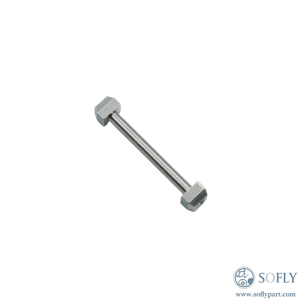
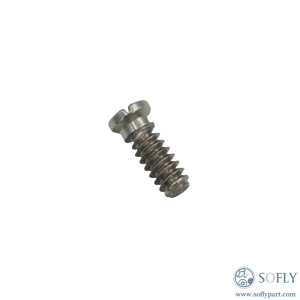
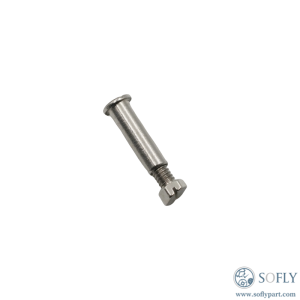
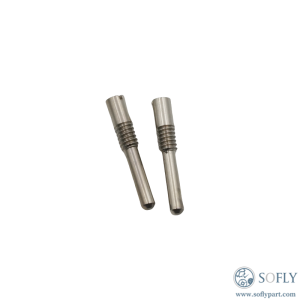
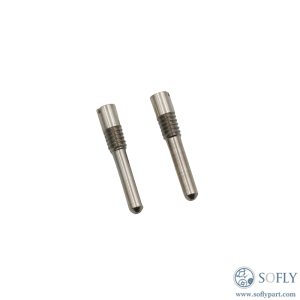
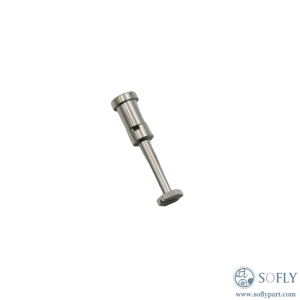
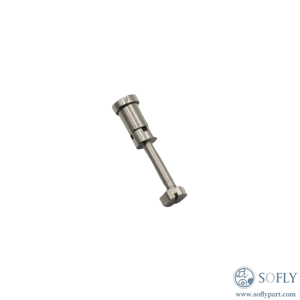
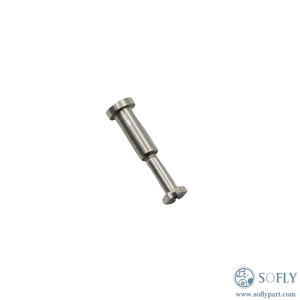
Watch band pins are small, but they decide how securely your strap or bracelet connects to the watch. Most strap repairs use spring bars, while metal bracelet sizing may involve link pins, collars, or screws.
Before buying replacement pins, confirm the pin type, lug width, diameter, end style, and wear condition. A correct watch band pin replacement should fit without force and seat securely once installed.
For replacement spring bars, start with Soflypart’s watch spring bars category and match the product details to your watch before ordering.
In many cases, yes. Most people use “watch band pins” to describe spring bars, which connect the strap to the watch case. In metal bracelet repair, the term may also refer to bracelet link pins.
Measure the lug width first, then check pin diameter and end style. Do not choose replacement pins only by watch case size or strap width.
You can reuse old pins if they are straight, clean, and still have strong spring tension. Replace them if they are bent, rusty, loose, or slow to spring back.
Quick release pins are useful for frequent strap changes. Standard spring bars are common and reliable when matched correctly. The better choice depends on the strap and case design.
The pin may be the wrong length, diameter, or end style. The strap hole or lug hole may also be worn. Remove the strap and check whether both spring bar tips are fully seated.