
A watch clasp is the closure that keeps your strap or bracelet secure on your wrist. When it wears out, the wrong replacement can cause poor fit, loose spring bars, strap damage, or a clasp that opens when you least expect it.
This guide explains the main watch clasp types, clasp materials, compatibility checks, and replacement tips. You will also learn how to choose the right watch band clasp or watch strap clasp before you order.
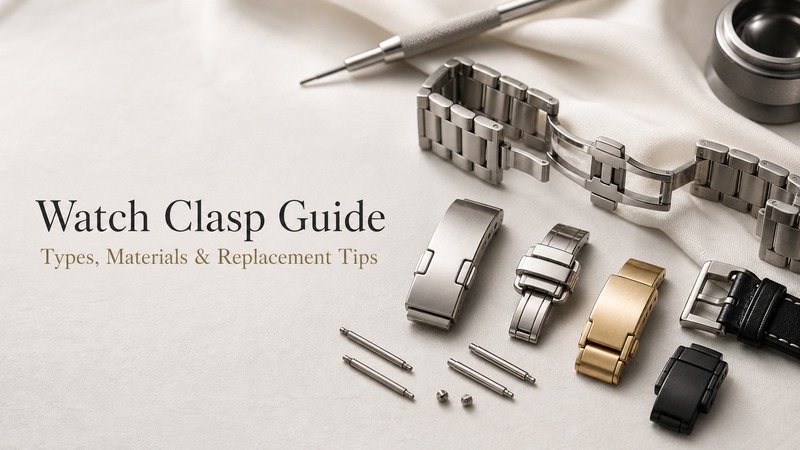
A watch clasp is the hardware that connects the two ends of a watch strap or bracelet and locks the watch on your wrist. It is one of the parts most likely to wear out because it handles daily opening, closing, sweat, friction, and wrist movement.
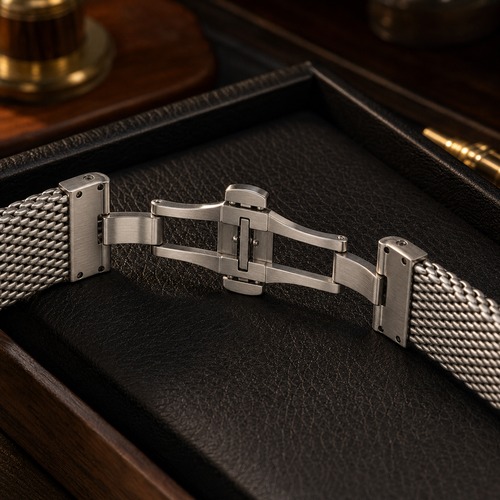
For repairs, the clasp has to match more than the strap width. It also needs to match the strap thickness, attachment method, material, and the way the wearer uses the watch. A poor match can make the strap sit unevenly, loosen the spring bars, crease leather, or create a weak point near the closure.
Here is the simple distinction: a buckle is a type of clasp, but not every clasp is a buckle. A buckle usually means a pin-and-tang closure. A clasp can also include deployant clasps, butterfly clasps, folding clasps, push-button clasps, and diver clasps.
Most watch clasp replacements fall into 6 common types. The right choice depends on your strap material, clasp width, wrist comfort, and how much security the watch needs.
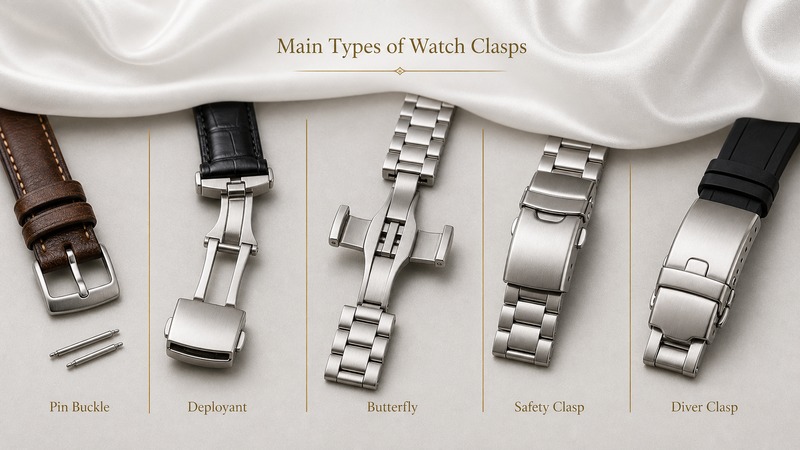
Clasp Type | Best For | Key Feature | Common Use Case |
Pin Buckle or Tang Buckle | Leather and rubber straps | Simple and thin | Dress watches, field watches, and vintage-style straps |
Single-Fold Deployant Clasp | Leather straps | Reduces repeated strap bending | Dress watches and daily leather straps |
Butterfly Clasp | Metal bracelets and some leather straps | Opens from the center and hides the closure | Dress bracelets and integrated bracelet designs |
Folding Clasp With Safety | Metal bracelets | Adds a secondary lock | Daily wear and sport watches |
Push-Button Deployant Clasp | Leather, rubber, or bracelets | Opens with side buttons | Daily wear watches that need easy release |
Diver Clasp | Dive and sport bracelets | Adds extension or ratchet adjustment | Dive watches and thicker wrist coverage |
The butterfly clasp watch design is popular when the wearer wants a clean, symmetrical look. A watch deployment clasp, more commonly called a deployant clasp in watch repair, is often used on leather straps because it reduces repeated bending at the same hole.
For a deeper breakdown of clasp styles, see our guide to types of watch clasps. It compares tang buckles, deployant clasps, butterfly clasps, folding clasps, and diver clasps by comfort, security, and daily use.
The material of a watch clasp replacement affects comfort, durability, finish matching, and skin contact. A clasp can be the right shape but still feel wrong if the material or color does not match the watch.

Material | Durability | Weight | Skin Sensitivity | Best Use Case |
316L Stainless Steel | High | Medium | Low risk for most wearers | Everyday watches and most bracelet repairs |
Titanium | High | Light | Very low for most wearers | Sport watches and sensitive skin |
Solid Gold or Gold-Filled | Medium | Heavy | Low for most wearers | Dress watches and luxury repairs |
Gold-Plated or PVD-Coated Steel | Medium | Medium | Depends on coating wear | Cosmetic upgrades and budget repairs |
DLC-Coated Steel | High | Medium | Low for most wearers | Sport watches and black case finishes |
316L stainless steel is the safest default for many watch clasp replacement jobs. It resists corrosion, matches many steel cases, and works well for daily wear. Titanium is a good choice when the watch is lightweight or the wearer has metal sensitivity. Gold, gold-filled, and plated options can look excellent, but the finish needs more care during daily use.
Follow three practical checks when sourcing a replacement: base material, color tone, and skin contact. A clasp can be the right size but still look wrong if the finish or weight does not match the watch.
First, match the base metal when possible. A stainless steel watch usually looks and feels best with a stainless steel clasp. A titanium watch should usually stay with titanium hardware because the lighter weight and softer gray tone are part of the wearing experience.
Second, match the color tone. A brushed silver case with a bright gold clasp rarely looks intentional unless the watch already has a two-tone design. Check whether the original clasp was polished, brushed, matte, gold-tone, rose gold-tone, black, or DLC-coated before ordering.
Third, think about skin contact. 316L stainless steel and titanium are usually safer choices for most wearers with sensitive skin. Plated clasps can look good at first, but the coating may wear down over time, especially on daily-wear straps.
For repair shops, 316L stainless steel clasps in common widths like 16mm, 18mm, 20mm, and 22mm are useful stock sizes. They cover many leather, rubber, and bracelet replacement jobs without making your inventory too complicated.
Choose a watch clasp replacement by matching the clasp width, strap thickness, attachment method, and repair goal. Price matters, but fit matters more.
Before you add a clasp to your cart, measure 3 things with digital calipers:
The common mistake is measuring width but ignoring thickness. A clasp can be the right width and still fail if the folding arms cannot close around the strap.
A like-for-like replacement is the safest choice when you want to preserve the watch’s original look and resale value. This works well when the old clasp broke but the strap or bracelet still fits correctly.
An upgrade makes sense when the wearer wants more comfort, security, or easier daily use.
Upgrade Path | Why It Helps |
Pin Buckle to Deployant Clasp | Reduces repeated bending on leather straps |
Folding Clasp to Push-Button Clasp | Makes daily opening and closing easier |
Standard Folding Clasp to Safety Clasp | Adds more security for sport or active use |
Keep the original clasp if the watch has resale value. Give it back to the customer or store it with the service record.
Use this table as a quick decision reference:
Strap Type | Main Use | Recommended Clasp |
Leather or rubber | Dress and daily wear | Single-fold or butterfly deployant clasp |
Leather or rubber | Active wear or travel | Push-button deployant clasp |
Metal bracelet | Daily wear | Folding clasp with safety lock |
Metal bracelet | Diving or sport use | Diver clasp with ratchet extension |
Milanese mesh | Daily wear | Butterfly clasp or sliding clasp |
A push-button deployant clasp is a strong default for many leather and rubber straps. For metal bracelets, a folding clasp with a safety lock covers most daily and light sport use.
Once you know the size, material, and attachment method, buy your watch clasp replacement from a supplier that lists clear specs and supports compatibility checks.

A reliable watch parts supplier should provide:
Soflypart stocks watch clasp replacement options for repair shops, collectors, and watch enthusiasts, including buckles, butterfly clasps, deployant clasps, and brand-compatible clasp parts. Use the product specs to check width, material, finish, and attachment method before you order.
We ship worldwide, and most orders ship within 3 business days. If you run a repair shop and need bulk quantities, contact us about volume pricing for watchmaker supplies.
Browse Soflypart’s watch clasp selection to check current sizes, finishes, and clasp styles.
Authorized service centers are the best route when you need a genuine factory clasp for a specific luxury watch. They are especially useful for warranty-sensitive repairs or high-value watches.
Secondhand marketplaces can help with vintage or NOS clasps, but they need careful checking. Always verify size, markings, condition, return terms, and seller photos before buying.
Specialized tool suppliers can also help when you need fitting tools along with the clasp. For repair shops, this is useful when you are handling bracelet sizing, clasp installation, or repeated strap work.

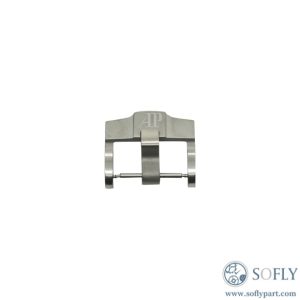

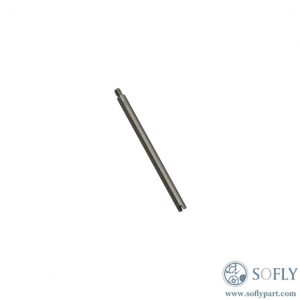

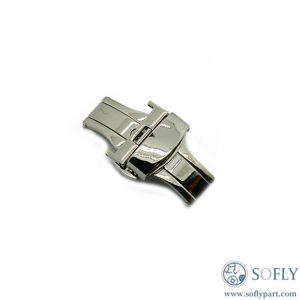
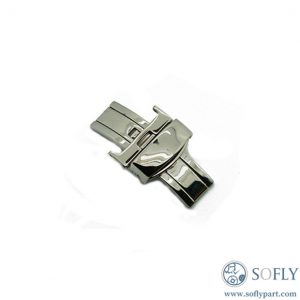
Choosing the right watch clasp replacement comes down to type, material, and fit. Match the clasp width, strap thickness, attachment method, and case finish before you order.
For simple repairs, choose a like-for-like replacement. For upgrades, a butterfly clasp, deployant clasp, safety clasp, or diver clasp can improve comfort or security when it fits the strap correctly.
Ready to order? Browse Soflypart’s watch parts collection to check current clasp and buckle options.
A watch clasp is any closure used on a watch strap or bracelet. A watch buckle usually means a pin-and-tang buckle. All buckles are clasps, but not all clasps are buckles.
A folding clasp with a safety lock is one of the most secure choices for daily and sport watches. Diver clasps with ratchet extensions are also strong options for active use, especially when wrist size changes during diving or outdoor wear.
Measure the strap end width where the clasp attaches. Common sizes include 16mm, 18mm, 20mm, and 22mm. Also check strap thickness if you are buying a deployant clasp.
Yes, you can upgrade from a pin buckle to a deployant clasp if the clasp width matches the strap end width. This upgrade can reduce leather strap creasing and make daily wear more comfortable. Keep the original buckle if the watch has resale value.
Check whether the butterfly clasp uses screws, sliding plates, or push pins. Loosen the fixing point, move the mesh in small steps, then secure the clasp and test the fit. If you need help opening it first, read Soflypart’s guide on how to open watch clasp.
Do not force the clasp. Some shark mesh bands need link removal or a specific tool instead of simple sliding adjustment.