
A watch hand swap looks simple until the minute hand refuses to sit flat or the second hand starts scraping the dial. A bent minute hand. A lume pip that’s turned brown and flaked off. Or maybe the stock hands on your Seiko just don’t match the dial you swapped in last week. Whatever brought you here, finding the right replacement watch hands is step one The fix starts before installation: you need the right hole size, the right hand length, and tools that press straight down instead of bending the posts.This guide explains how to choose replacement watch hands, measure them correctly, install them safely, and avoid the mistakes that usually ruin a clean watch mod.
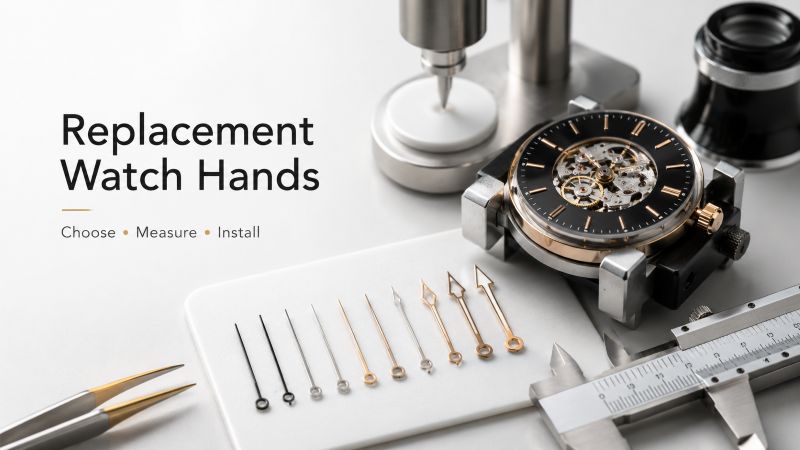
Watch hands are replaced for two main reasons: damage and design changes.
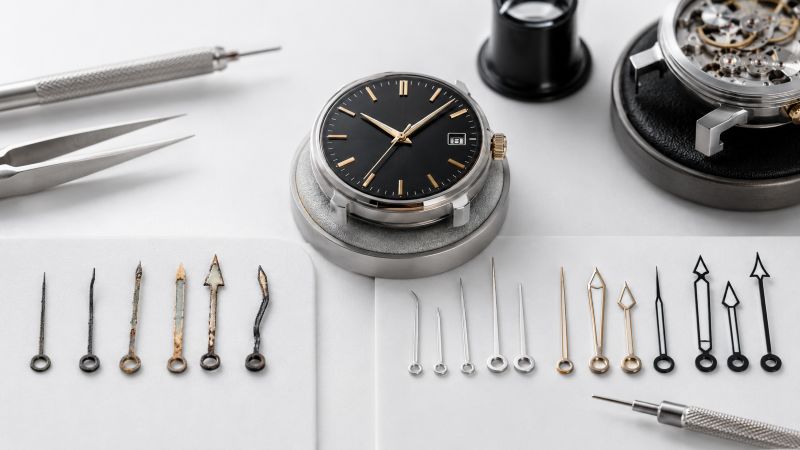
Bent hands, weak lume, oxidation, and poor past servicing can make a watch harder to read or less attractive. Modding creates the other common reason. A new hand set can change the whole dial style without replacing the case, movement, or crystal.
That small change matters. Baton hands can make a watch feel cleaner. Sword hands add tool-watch weight. Mercedes-style hands can push a Seiko mod toward a dive-watch look. For many hobbyists, watch hand replacement is the fastest way to make a familiar watch feel new again.
Measure the hole diameter and hand length before ordering. Those two numbers decide whether the hands fit the movement and clear the dial.
Hand Type | What to Check | Common Size Examples |
Hour Hand | Hole size for the cannon pinion | 1.20 mm, 1.50 mm, 1.80 mm |
Minute Hand | Hole size for the minute pipe | 0.70 mm, 0.90 mm |
Second Hand | Tube size for the seconds pinion | 0.17 mm, 0.20 mm, 0.25 mm |
Hand length is measured from the center hole to the tip. The hour hand should stop near the inner edge of the hour markers. The minute hand should reach the minute track. The second hand should sit close to the outer seconds scale without hitting the chapter ring.
Raised dial markers need extra attention. A hand that looks fine on paper can catch on an applied index once the movement starts running. Check the dial layout before you press the hands into place.
Use a hand puller, hand press, dial protector, tweezers, Rodico, and a loupe. Each tool protects a different part of the job: the dial, the hand tubes, the movement posts, or the final alignment.
Tool | Job |
Hand Puller | Removes old hands without dragging across the dial |
Hand Press | Seats new hands with even downward pressure |
Dial Protector | Shields the dial during removal |
Tweezers or Rodico | Handles small hands without fingerprints |
Loupe | Checks height, clearance, and alignment |
Never press or pull watch hands with bare fingers. Oil marks can stain lume and polished finishes. Soflypart’s watch hand tools category includes hand-setting and removal tools for cleaner installation work. Soflypart also carries broader watch repair tools for repair benches and hobby setups.
Start clean, remove the old hands straight up, install the new hands in order, then test clearance through a full rotation.
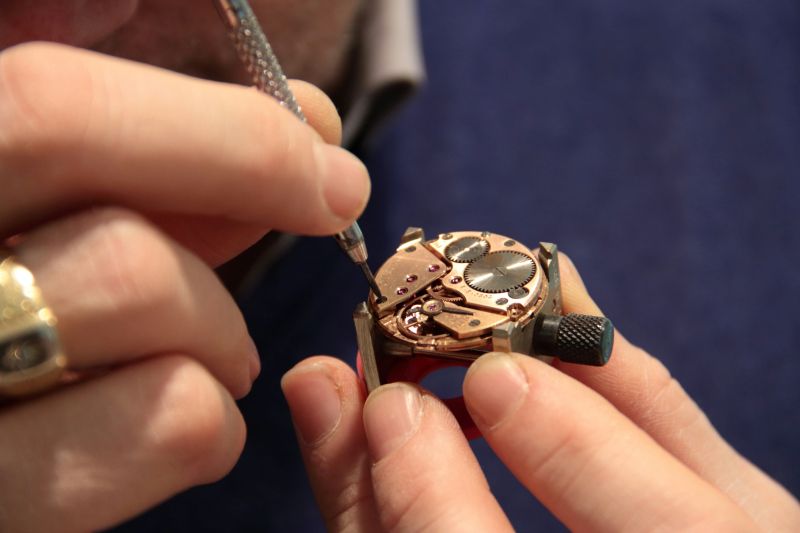
Work on a bright bench with a soft mat, a movement holder, and a covered parts tray. Clean the dial and hands before installation. Dust under the crystal is small, but once you see it, you will keep seeing it.
Place the dial protector under the hands. Use the hand puller vertically and remove the hands in this order: second, minute, hour. Do not twist the tool side to side. Side pressure can bend the cannon pinion or mark the dial.
Set the movement to 12:00. Install the hour hand first, then the minute hand, then the second hand. Use the die size that fits around the hand tube instead of pressing on the hand surface.
Many Seiko NH35 and NH36 hand sets are sold pre-sized for those movements, but still check the product specs before ordering. A familiar movement name does not fix a wrong hand tube.
View the hands from the side. They should sit in separate layers with small, even gaps. Turn the crown through 12 hours and watch for rubbing, stopping, or wobbling. If a hand touches the dial, another hand, or the crystal, open it back up before casing the movement.
Hand style changes the whole face of the watch. Match the shape to the dial first, then think about lume and color.
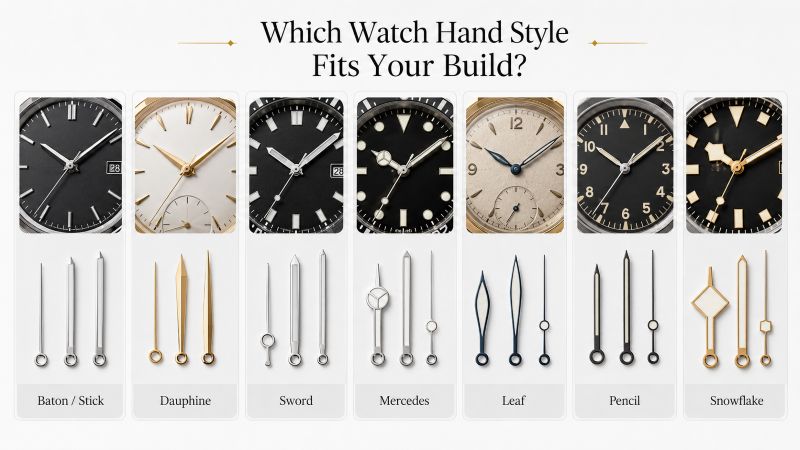
Style | Best Match |
Baton / Stick | Clean daily watches and simple dials |
Dauphine | Dress watches with polished markers |
Sword | Dive watches and high-legibility builds |
Mercedes | Submariner-style mods and sporty dials |
Leaf | Vintage dress restorations |
Pencil | Field, military, and railway-style watches |
Snowflake | Bold dive builds with heavy lume |
Finish matters too. Silver hands can disappear on a light dial, while black hands can look too harsh on a warm vintage dial. Match the hand finish to the case metal when you want a clean build. Match the lume tone to the dial markers when you want the watch to look factory-fitted.
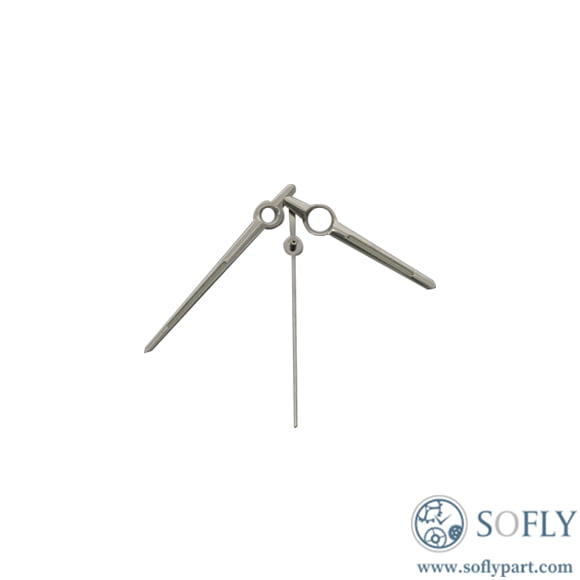
Soflypart’s replacement watch hands category includes hand sets for Seiko, ETA, Miyota, Omega-style, and generic Rolex-style builds, with product pages that list sizing details for part matching.
Most failed hand swaps trace back to bad sizing, poor protection, or uneven pressure.
Mistake | What Happens | Better Move |
Wrong hole size | Hand slips or will not seat | Measure before ordering |
No dial protector | Dial gets marked | Cover the dial before pulling |
Pressing at an angle | Hand tube bends | Press straight down |
Hands set too close | Movement stops | Check side clearance |
Touching lume | Oil marks stay visible | Use tweezers or Rodico |
A quick test saves a lot of grief: after installation, turn the crown slowly and watch every hand pass 12, 3, 6, and 9. Those positions reveal rubbing faster than a casual glance.
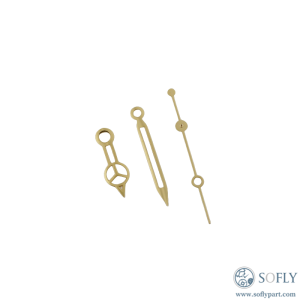


A clean watch hand replacement starts before the tools touch the dial. Measure the hole sizes, check the hand length against your markers, and make sure the style fits the watch you are building.
When you are ready to replace watch hands, work slowly: protect the dial, lift the old hands straight up, press the new hands level, and test the full 12-hour rotation before closing the case. If the hands clear the dial, each other, and the crystal, the job is on the right track.
Soflypart carries replacement watch hands in multiple styles and movement-matched sizes, along with hand pullers, press tools, dial protectors, and other watch hand tools for clean installation work.
Browse replacement watch hands and pair them with the right watch hand tools before your next mod or restoration.
Yes. Beginners can handle basic watch hand replacement if they use a hand puller, a hand press, and a dial protector. The hard part is not pressing the hands down. It is ordering the right size before you start.
Check two things: hole diameter and hand length. The hour, minute, and second hands each fit a different post, so one correct size does not mean the full set will fit. For the second hand, use a hand sizing gauge if possible because the tube is very small.
DIY cost depends on the hand set, movement type, and tools you already own. The hands are usually affordable, but first-time users may also need a hand puller, press set, tweezers, Rodico, and dial protection. For a luxury or sentimental watch, a professional installation is safer.
Sometimes, but it is usually not the best approach. Removing the movement from the case gives you better access, better lighting, and less risk of hitting the case wall while you work. A movement holder also keeps the dial stable when you press the new hands.
You can browse replacement watch hands at Soflypart by movement type, hand style, finish, and size. For installation, pair the hand set with proper watch hand tools so you can remove and press the hands without damaging the dial.