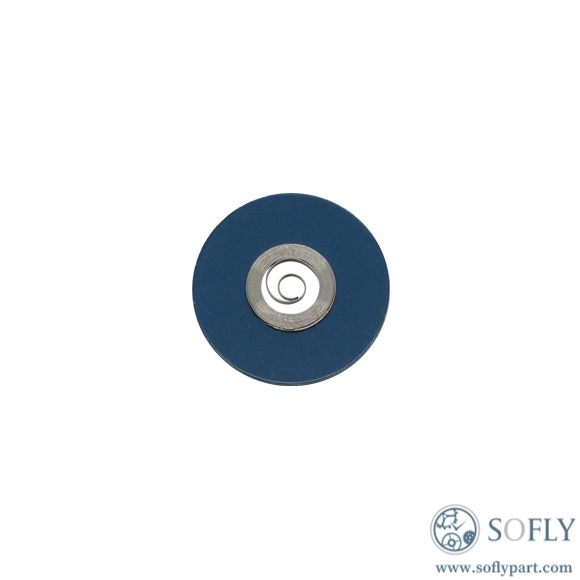
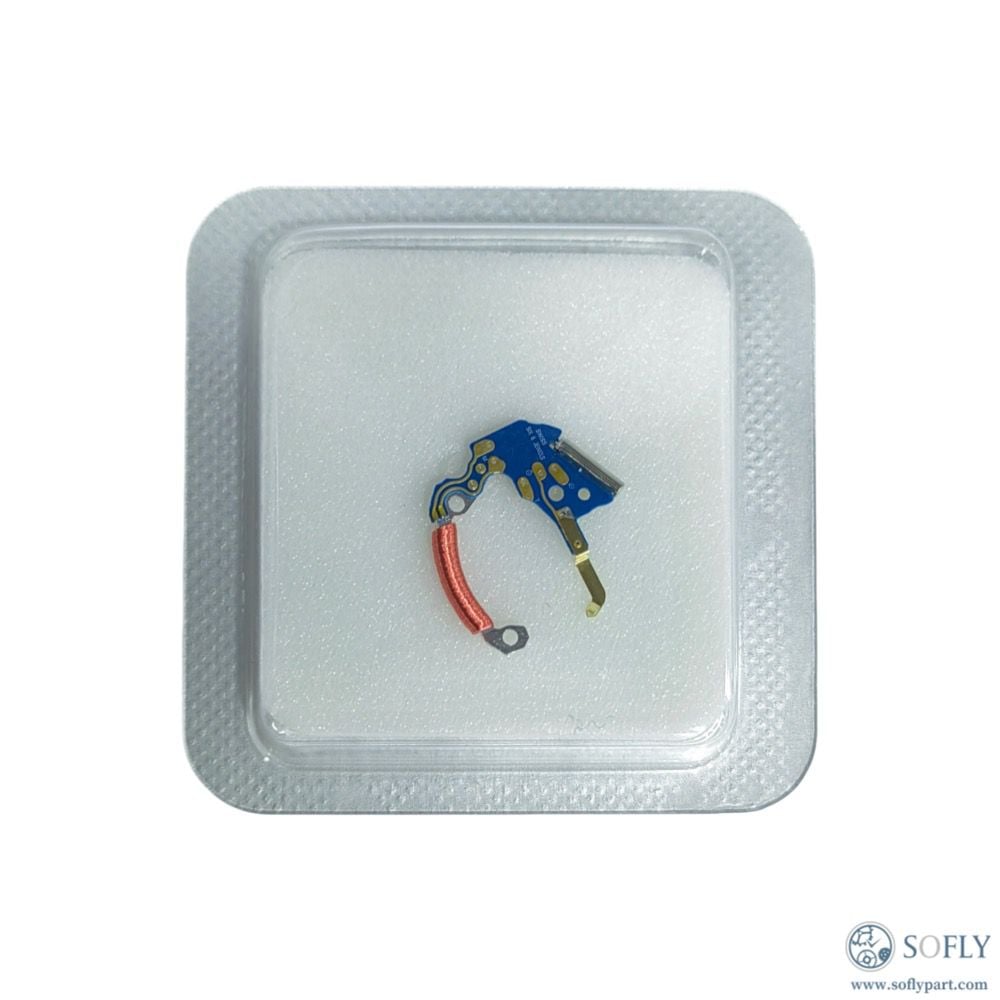
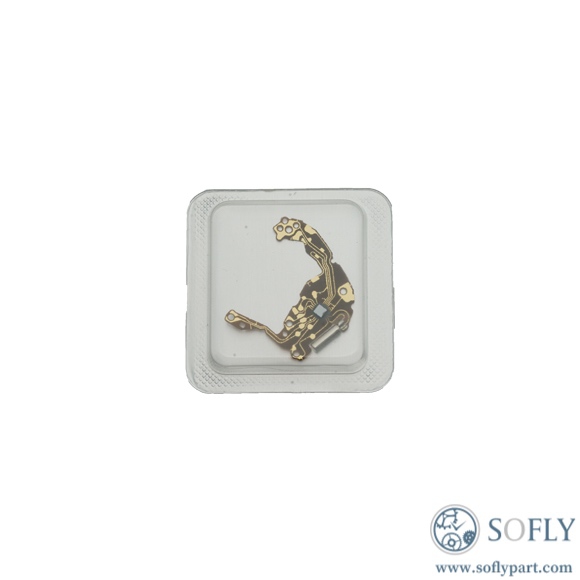
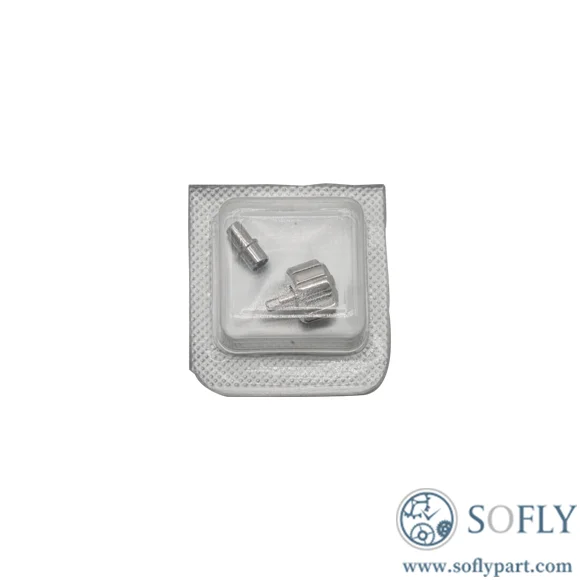
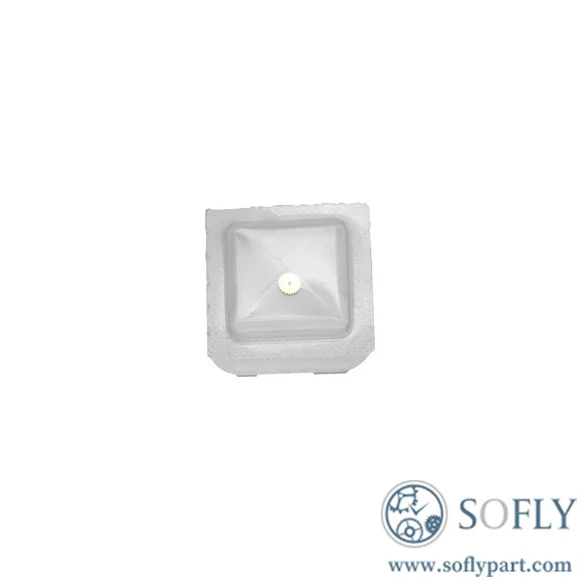
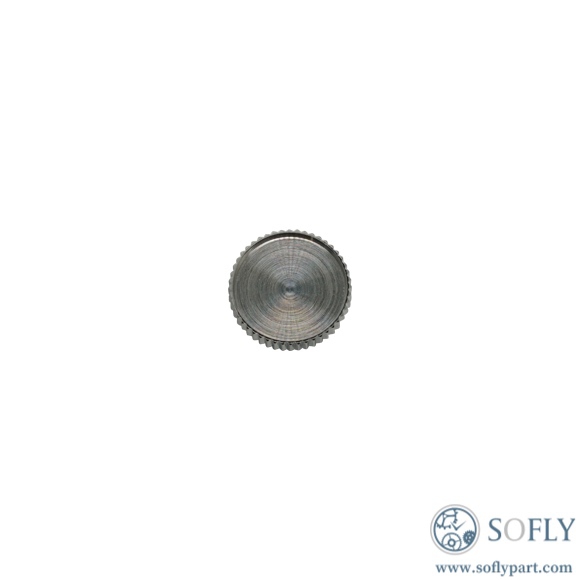
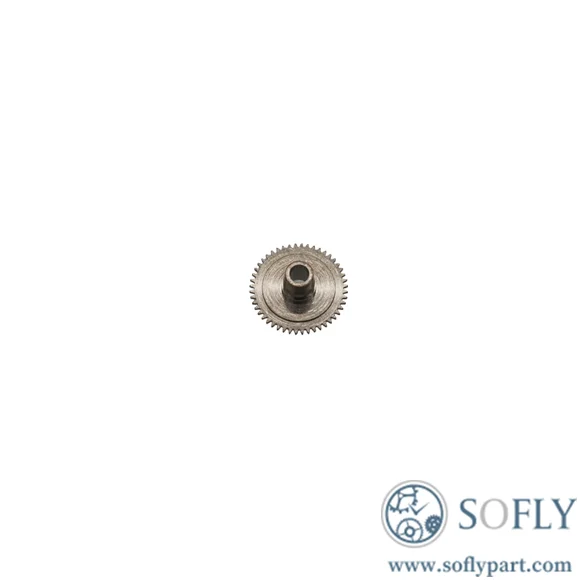
Generic Rolex 2135-550 Pinion For Oscillating Weight

$12.00
You Saved

x

Product Description

This is a generic replacement pinion for the oscillating weight, designed for Rolex Calibers 2130 and 2135 (part reference 2135-550). This component is a critical part of the automatic winding system, transferring rotational energy from the oscillating weight to the reduction wheel train .

When this pinion wears out, the automatic rotor may spin freely without winding the mainspring, leading to reduced power reserve. This aftermarket part provides a cost-effective solution for watchmakers restoring proper automatic winding function when the original pinion becomes worn or damaged.

Key Features & Functions

  • Designed for Rolex Calibers 2130 and 2135
  • Critical automatic winding component
  • Transfers power from oscillating weight to reduction wheel train
  • Restores automatic winding function

Function of the Pinion for Oscillating Weight

This pinion (also known as the rotor pinion or automatic pinion) is mounted on the oscillating weight‘s axle. It engages with the reduction wheel train to transfer the rotor’s rotational motion into winding energy for the mainspring. A worn or damaged pinion can cause the rotor to spin freely without winding the watch .

Usage Instructions

Signs of Pinion Wear:

  • Oscillating weight spins freely without winding the mainspring

  • Reduced power reserve despite normal wear

  • Unusual noise when the watch is moved (rotor spinning without resistance)

  • Automatic winding feels inefficient or completely non-functional

Important Notes:

  • The pinion is located on the oscillating weight itself

  • It works in conjunction with the reduction wheel train (first and second reduction wheels)

  • When replacing the pinion, inspect the reduction wheels for wear as well

Installation Instructions

Tools Required:

  • Non-metallic tweezers

  • Screwdrivers (appropriate sizes for movement disassembly)

  • Movement holder

  • Loupe or microscope (10x recommended)

  • Rodico cleaning putty

  • Appropriate watch oils (Moebius HP 1300 or 9501)

Step-by-Step Installation:

Step 1: Movement Preparation

  • Remove the movement from the watch case

  • Remove the oscillating weight (rotor) from the movement

  • The pinion is pressed or mounted onto the rotor‘s axle

Step 2: Remove the Old Pinion

  • Carefully remove the worn pinion from the rotor axle

  • Note the orientation for reinstallation

  • Some pinions are pressed on and may require a specialized tool for removal

Step 3: Inspect and Clean

  • Inspect the rotor axle for wear or damage

  • Clean the axle area using Rodico to remove old oil and debris

  • Check the reduction wheels for signs of wear

Step 4: Install the New Pinion

  • Position the new pinion onto the rotor axle

  • Ensure it is seated flush and properly aligned

  • The pinion should rotate freely on the axle

Step 5: Lubrication

  • Apply a small amount of high-quality watch lubricant (Moebius HP 1300 or 9501) to the pinion/axle interface

  • Avoid over-lubrication, which can attract dust

Step 6: Reassembly and Testing

  • Reinstall the oscillating weight onto the movement

  • Test manual winding: turn crown clockwise – should feel smooth with consistent resistance

  • Test automatic winding: rotate the rotor – the pinion should engage and advance the reduction wheel train

  • Verify that the rotor does not spin freely without resistance

Important Notes:

  • The pinion is a precision component – handle with care

  • Improper installation can cause automatic winding failure

  • Professional installation is strongly recommended for those without movement service experience

Repair Guide

Common Symptoms of Pinion Failure:

Symptom Possible Cause
Rotor spins freely without winding Worn pinion teeth or damaged reduction wheels
Automatic winding noisy Worn pinion or reduction wheel teeth
Reduced power reserve Inefficient power transmission from wear
Manual winding fine, automatic fails Automatic module issue (pinion likely)

Diagnostic Process:

  1. Visual Inspection: Under magnification, inspect the pinion teeth for wear, chipping, or deformation.

  2. Rotor Test: Gently rotate the rotor. There should be resistance. If the rotor spins freely with no resistance, the automatic winding train is not engaging properly.

  3. Component Check: Inspect the first and second reduction wheels for wear simultaneously. Worn reduction wheels can cause the pinion to fail prematurely.

When Replacement is Necessary:

  • Visible wear or damage to pinion teeth

  • The rotor spins freely without winding

  • Previous attempts to lubricate the automatic module did not resolve the issue

  • The movement has been in service for 5+ years and automatic winding feels loose

Preventive Maintenance:

  • Service the movement every 3-5 years

  • During service, inspect the entire automatic winding module

  • Replace the pinion if any signs of wear are present

  • Always replace worn reduction wheels simultaneously

When to Seek Professional Help:

  • You lack experience with automatic module disassembly

  • Multiple components show signs of wear

  • The movement has other issues affecting timekeeping

  • You are uncertain about proper lubrication specifications

Frequently Asked Questions

Q1: What is the function of this pinion?

A: This pinion (part 2135-550) is mounted on the oscillating weight’s axle. It transfers rotational energy from the rotor to the reduction wheel train, which then winds the mainspring. A worn pinion causes the rotor to spin freely without winding the watch .

Q2: What causes the rotor to spin freely?

A: A rotor that spins freely without winding is typically caused by wear in the automatic winding train. Common culprits include a worn pinion on the rotor axle, worn reduction wheels (first and second), or worn reverser wheels. Proper diagnosis requires visual inspection under magnification.

Q3: Can I install this part myself?

A: This part requires movement disassembly, including removal of the oscillating weight. Professional installation by a qualified watchmaker is strongly recommended. Improper installation can damage the automatic winding system or the movement. The pinion must be correctly seated on the rotor axle for proper engagement with the reduction wheel train.

Why Choose SOFLY Watch Parts?

  • Fast worldwide shipping within 3 business days.

  • Competitive pricing on Seiko/Hattori calibers.

  • 3,000+ watch movements and parts in stock.

  • Trusted by watchmakers worldwide.

  • Personalized sourcing support via [email protected] or WhatsApp +86 18620212114.