
Yes, you can handle watch crown replacement yourself if the stem, crown tube, and movement are still in good condition. Most basic jobs take about 30–60 minutes with the right replacement watch crown, a pin vise, a case opener, and a clean work area.
In this guide, we’ll show you how to replace a crown on a watch, how to choose the right crown size, when a screw-down crown needs extra care, and when a Rolex watch crown replacement is better left to a professional.
Need help matching the part? Soflypart carries push-pull crowns, screw-down crowns, crown tubes, stems, and watch repair tools for many common wrist watch crown replacement jobs.
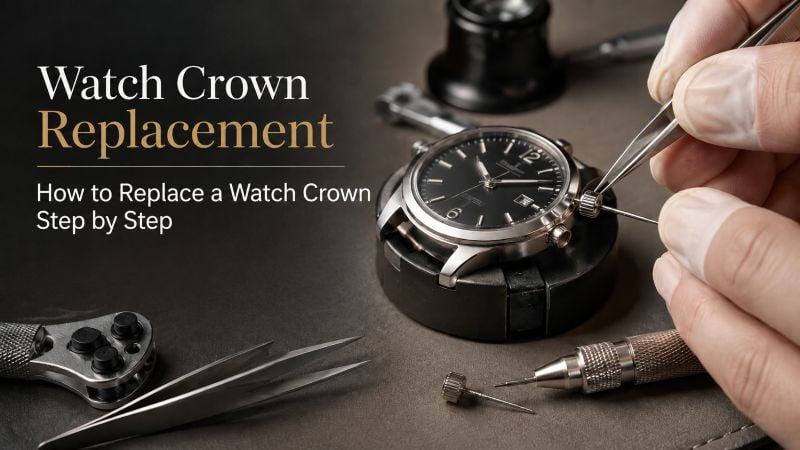
To replace a crown on a watch, remove the stem, take off the old crown, test-fit the replacement watch crown, secure it correctly, and check every crown position before closing the case.
Before you start, set up a clean work area. A watch crown is small enough to disappear in one bounce, so don’t work over carpet or a cluttered desk.
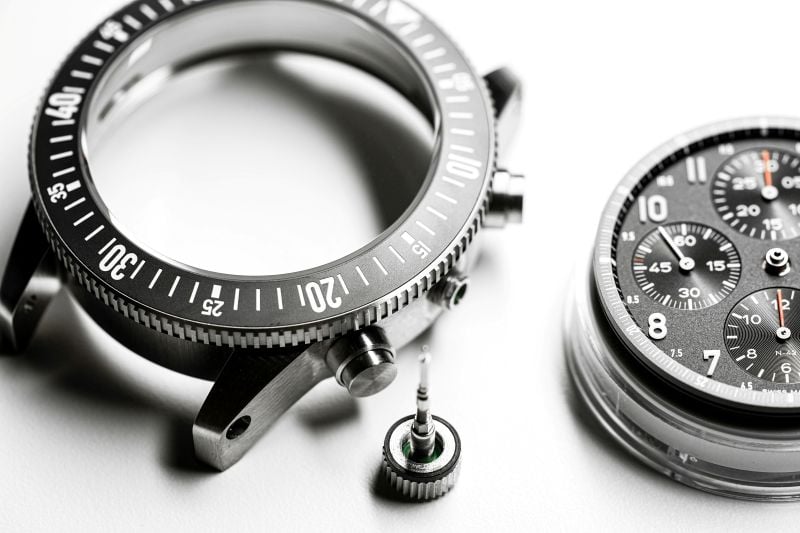
For most watch crown replacement jobs, prepare these tools and parts:
A replacement watch crown must match more than the outside size. Check these three measurements before ordering:
If you are not sure which replacement watch crown fits your case or movement, start by checking the crown’s outer diameter, stem fit, and thread pitch. Soflypart carries replacement watch crowns, winding stems, crown tubes, and watch repair tools, so you can match the main repair parts in one place instead of ordering from several suppliers.
Open the case back and find the stem release point on the movement. It is usually a small button, lever, or screw near the stem entry point.
Press or loosen it gently while pulling the crown outward. The stem should slide out without force. Work over a parts tray so the stem does not bounce away. It will, given the chance.
Hold the stem in a pin vise and leave the crown end exposed. Turn the crown counterclockwise if it uses a standard right-hand thread.
After removal, inspect the stem threads under magnification:
A new crown will not fix a damaged stem. If the stem is worn, order a compatible watch stem replacement along with the crown.
if you’re working on a quartz or automatic caliber and want a movement-specific walkthrough, this guide on how to remove the watch stem and crown covers all three types in detail.
Install the new crown by hand first. Do not use adhesive or threadlocker during the test fit.
Reinsert the stem into the movement and check the crown height against the case. The crown should sit close to the case without rubbing. If it sticks out too far, the stem may need trimming. If it sits too deep, the crown height or tube fit may be wrong.
This dry-fit step saves you from gluing the wrong part in place. It is the watch repair version of “measure twice, cut once.”
Secure the crown based on its construction:
Let the crown cure for the full time listed by the adhesive or threadlocker maker. Do not rush this step. A crown that shifts even slightly can feel crooked every time you set the time.
Clean the crown tube threads with pegwood before installing a screw-down crown. Dirt, dried sealant, or metal shavings can make the crown feel gritty and cause thread damage.
With the stem seated, align the crown squarely with the tube and turn it clockwise using light pressure. It should start smoothly. If it tilts, grinds, or catches, stop and back it out.
For dive watches or any watch rated for water resistance, run a pressure test after installation. A screw-down crown is part of the seal, but it does not prove the seal is still working.
After the crown is installed, check every position before closing the case:
If any position feels loose, sticky, or dead, remove and reseat the stem. Do this before closing the case back.
Your watch crown needs replacing if it spins without engaging, will not lock down, feels loose on the stem, or has visible cracks, rust, or missing gasket parts.
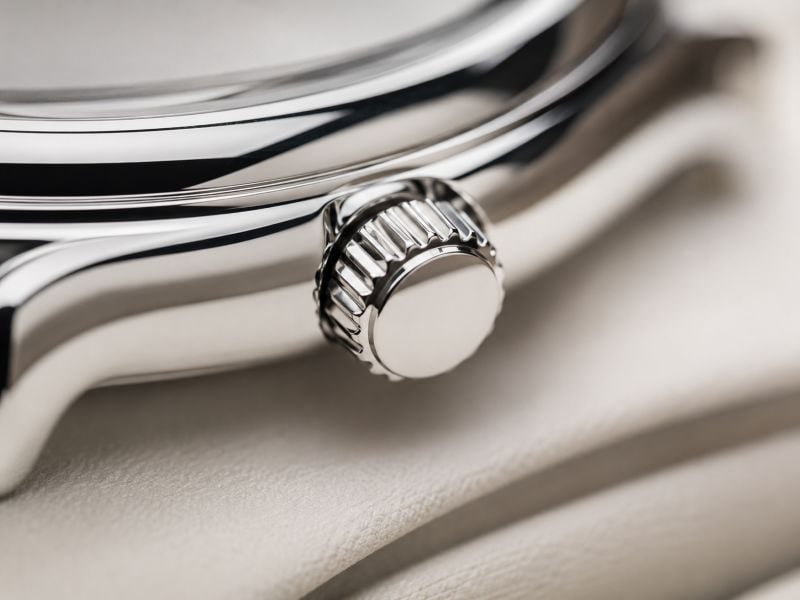
You turn the crown and nothing happens. The hands don’t move, the date doesn’t change, and winding feels like spinning air. This almost always means the internal threads inside the crown have worn smooth. The crown is turning, but it’s no longer gripping the stem.
A screw-down crown that won’t thread home is a serious problem. Your watch is no longer water resistant — full stop. This is common on dive watches that see heavy use, where the crown tube threads gradually wear from repeated locking and unlocking cycles.
Physical damage is the most obvious reason to replace a crown. A cracked crown may still function temporarily, but the structural failure will worsen and the gasket seal is already compromised.
Before buying a replacement watch crown, inspect the crown and stem separately:
A compatible watch crown stem is often just a few dollars — worth replacing proactively if there’s any doubt.
DIY crown replacement is one of the most cost-effective repairs in watchmaking. Here’s how the numbers break down:
Replacement Option | Estimated Cost | Best For |
DIY (parts only) | $6–$80 | Hobbyists with basic tools |
Local watch repair shop | $50–$150 | Standard watches |
Brand service center | $150–$400+ | Luxury / warranty repairs |
Rolex Service Center (RSC) | $300–$400+ | Genuine Rolex parts |
Sources: QuickJewelryRepairs (starting $55), Shinola repair guide ($40 crown replacement), Yelp watch repair cost data.
For most hobbyists, the parts alone — crown plus gasket — run well under $30. That’s the real case for DIY: you’re not just saving money on labor, you’re learning a skill you’ll use again.
Looking to keep costs down? Soflypart offers competitively priced replacement watch crowns starting from just a few dollars, sourced directly from China’s leading watch parts manufacturers. New customers can use code SOFLYGO to get $5 off orders over $50. Shop Replacement Watch Crowns →
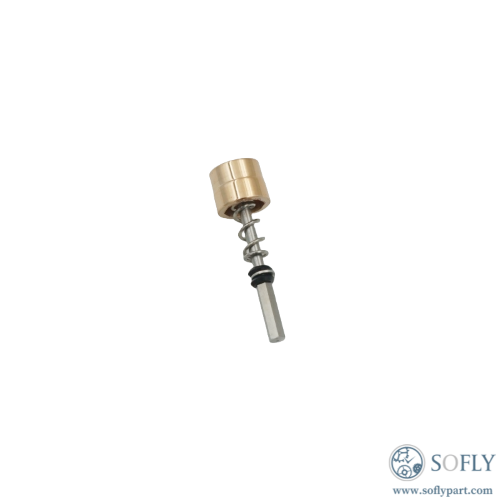
Rolex crowns are not a drop-in swap. The system is more complex than a standard watch, and a few details can catch you off guard if you’re not prepared.
Unlike most watches where the crown threads directly onto the stem, Rolex uses a Triplock or Twinlock crown tube — a separate metal tube pressed into the case that the crown screws onto externally. When replacing a Rolex crown, you must check the tube condition first. A worn or damaged tube means the crown will never seal properly, no matter how good the replacement crown is.
Official Rolex Service Center repairs for crown-related work typically run $300–$400+. High-quality third-party components can bring that cost down significantly for watches outside warranty. Browse generic Rolex parts at Soflypart for compatible options.
Crown sizing varies across the Rolex lineup. Common reference points:
Always verify against your specific reference number — variations exist within model families across production years.
Send it to a professional if: the watch is still under warranty, the crown tube is damaged and needs pressing (this requires a staking tool and precise fit), or the movement itself has been affected by moisture ingress. DIY is reasonable for a straightforward crown swap on an out-of-warranty piece with an intact tube.
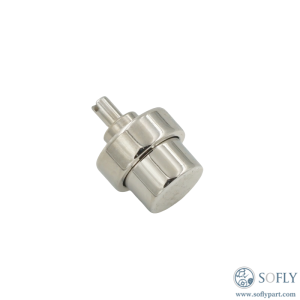
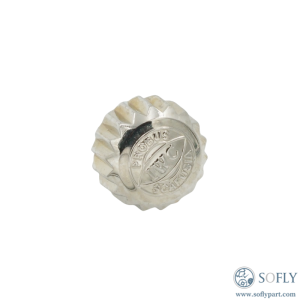
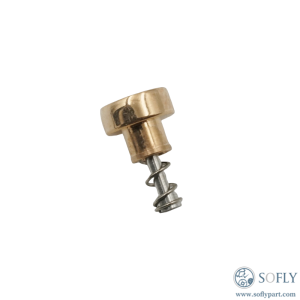
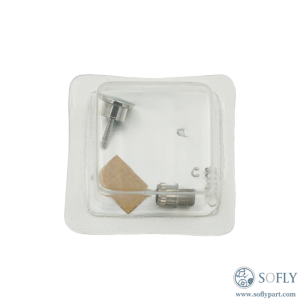
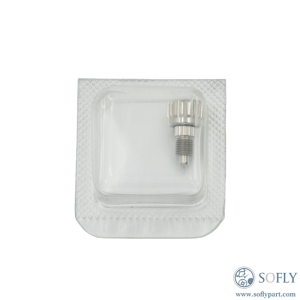
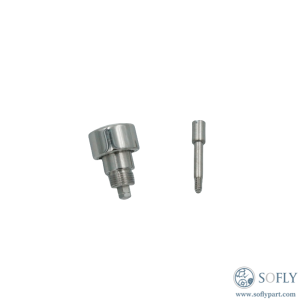
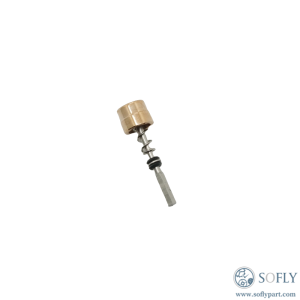
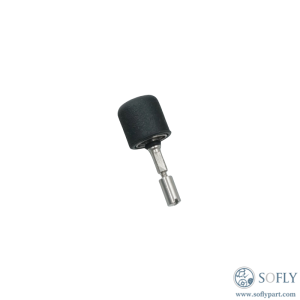
Take your watch to a professional if the watch is under warranty, the crown tube is damaged, water entered the case, or you are not confident working with a screw-down crown.
Do not start with DIY if you see any of these problems:
Use watch value and repair risk as your starting point:
Watch Value | Best Choice | Why |
Under $500 | Usually DIY-friendly | Parts are low-cost, and the learning value is high. |
$500–$1,000 | Depends on crown type | Push-pull jobs are easier; screw-down crowns need more care. |
Over $1,000 | Usually professional | The risk of water damage or value loss is higher. |
Rolex / Luxury Dive Watch | Professional recommended | Crown, tube, gasket, and pressure testing all matter. |
A good middle step is a dry fit. Order the replacement crown and stem, test the fit without adhesive, and only continue if the crown sits correctly and all positions work.
Watch crown replacement is manageable if you match the crown correctly, test-fit before securing it, and know when water resistance needs professional testing. For a basic wrist watch crown replacement, the main checks are simple: crown size, stem fit, thread pitch, crown tube condition, and gasket condition.
DIY is a good option for many standard watches. For Rolex watches, dive watches, warranty repairs, or any watch with moisture inside the case, professional service is the safer choice.
If you already know your crown size or movement reference, Soflypart can help you source replacement watch crowns, stems, crown tubes, and watch repair tools in one place. Browse the crown collection, compare the specs, and contact support if you need help matching the part before you order.
No. The outside diameter is only one measurement. You also need to match the stem fit, tap size, thread pitch, crown height, and tube style. A crown can look correct from the outside and still fail during installation.
A new screw-down crown may feel slightly firm because the gasket is compressing. But gritty movement, catching, or uneven threading is not normal. Stop and check the crown tube before you damage the threads.
Yes. Any crown work can affect water resistance because the crown, tube, and gasket are part of the seal. Replace damaged gaskets and run a pressure test if the watch is rated for swimming, diving, or daily water exposure.
Triplock crowns usually have three dots under the Rolex coronet. Twinlock markings vary by material and model year, so do not rely on “two dots” alone. Check the case reference, crown reference, and model generation before ordering a replacement.
Yes, if the crown body, tube, and stem are still in good condition. Replacing only the watch gasket can solve some water resistance problems, but it will not fix worn threads, a bent stem, or a damaged crown tube.