
Most watch dials start with a metal base—usually brass—and are finished with paint, lacquer, enamel, or decorative materials like mother of pearl or stone.
That choice affects far more than appearance. Dial materials influence how a watch ages, how easy it is to read, how fragile it feels in daily use, and whether it can be restored years later. Some dials handle everyday wear quietly. Others trade durability for visual impact and rarity.
In this guide, we’ll explain what watch dials are made of, how different materials behave over time, and how to choose the right dial material based on how you actually wear your watch, not just how it looks in a display case.

A watch dial is built from two main parts: a metal base that provides structure, and one or more surface finishes layered on top.
The base controls stability, flatness, and tolerances. The finish controls color, texture, and visual depth. This layered construction explains why two dials that look similar when new can age very differently after years of wear.
A simple way to think about it: the base is the foundation of a house, and the finish is the exterior. Both matter—but they serve very different purposes.
Most modern watch dials start with a metal base chosen for stability and manufacturability.
The most common choice. Brass machines cleanly, stays dimensionally stable, and accepts nearly every dial finish used today.
Used less often. It appears mainly in utilitarian or industrial designs where corrosion resistance matters more than finishing flexibility.
Common in colorful or sporty designs. Aluminum takes coatings well but is softer than brass, which limits long-term durability.
Gold or silver is rarely used as a full dial base due to cost and softness. When they appear, it’s usually in limited or high-end pieces.
For consistency, scalability, and long-term reliability, brass remains the industry standard.
Most watch dials start with brass because it offers the best balance of stability, cost, and finishing flexibility.
Brass holds tight tolerances, resists warping, and works with everything from simple paint to multi-layer enamel. That flexibility allows brands to produce consistent dials at scale without compromising alignment or hand clearance.
The downside is protection. If coatings fail, brass can oxidize. That’s why finishing quality matters just as much as the base material—especially during restoration or replacement work.
This is also why precision sourcing matters. Suppliers like SoflyPart focus on correct thickness, material consistency, and movement compatibility, because even small dial-side inconsistencies become obvious once the watch is assembled.
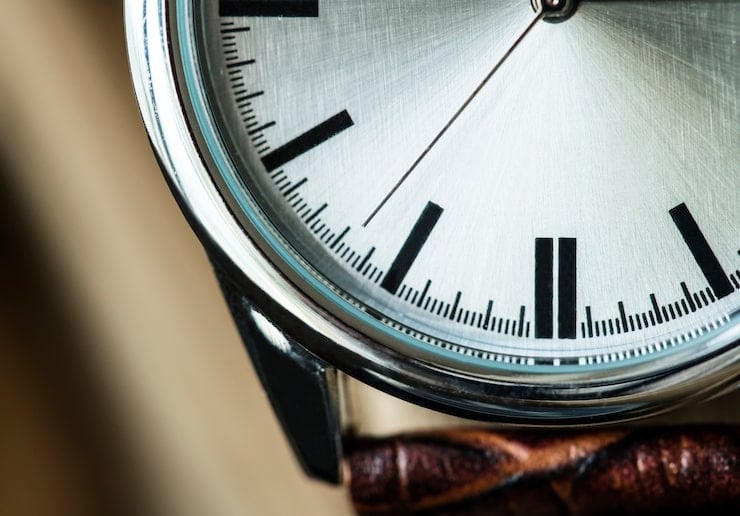
Surface finishes define what you actually see when you look at a watch—and how it behaves over time.
Built with multiple layers to create depth and gloss. High-quality lacquer resists fading and cracking better, which matters if you wear the watch often.
Add visual depth and reduce glare. These finishes tend to remain legible longer and hide minor wear better than smooth, glossy surfaces.
Add physical dimension and usually age better than printed markers. If you wear your watch every day, applied indices are easier to live with long term.
These choices affect aesthetics, legibility, and how gracefully the dial handles daily use.
Watch dials can be grouped by intent. Some materials focus on tradition and visual craftsmanship. Others emphasize performance, rarity, or experimentation. Understanding these categories makes it much easier to judge what works for your lifestyle.
Enamel dials are made by firing powdered glass onto a metal base at extremely high temperatures.
The result is a deep, glossy surface that resists fading far better than paint. Each firing step carries risk, and a single flaw often means starting over. That process explains both the cost and limited production of enamel dials.
Enamel rewards careful ownership. It suits dress watches and collector pieces. If this is a daily wearer, enamel requires commitment and a tolerance for fragility.
Mother of pearl offers natural iridescence, which is why no two dials ever look the same.
The trade-off is durability. The material is thin and relatively soft. It scratches easily and can crack under stress. If this is a weekend or occasional watch, mother of pearl works well. If you plan to wear it daily, visible aging is almost guaranteed.
Stone dials use materials such as onyx, lapis lazuli, or jasper.
These stones are sliced extremely thin and bonded to a base. The patterns are striking and highly individual, but stone lacks flexibility and shock resistance. Stone dials work best as visual statements rather than practical daily choices.
Meteorite dials are made from real iron-nickel meteorites with crystalline patterns formed naturally in space.
Each dial is genuinely one of a kind. Manufacturers treat the surface to slow corrosion, but meteorite remains more sensitive than standard dial materials. These dials are chosen for story and rarity, not everyday practicality.
Sports watches prioritize durability, impact resistance, and readability above tradition.
Lightweight and strong. True structural carbon differs from decorative woven patterns, which may offer visual appeal without the same strength benefits.
Highly scratch-resistant and color-stable. Ceramic handles daily wear well, but it is brittle under extreme impact.
Ultra-black coatings create dramatic visuals and absorb light effectively. The downside is real-world legibility, which can suffer in bright or changing lighting conditions.
These materials favor performance and resilience over traditional craftsmanship.

Use Case | Best Dial Materials | Why They Work |
Daily Wear | Lacquered Brass, Steel, Matte Finishes | Stable, readable, forgiving over time |
Dress Watch | Enamel, Mother of Pearl | Visual depth matters more than impact resistance |
Sports Watch | Ceramic, Carbon Fiber, Matte Metal | Shock resistance and glare control |
Collector Piece | Enamel, Stone, Meteorite | Rarity and story over practicality |
If you only own one watch, daily-wear durability usually wins. If this is part of a rotation, you can afford to be more adventurous.
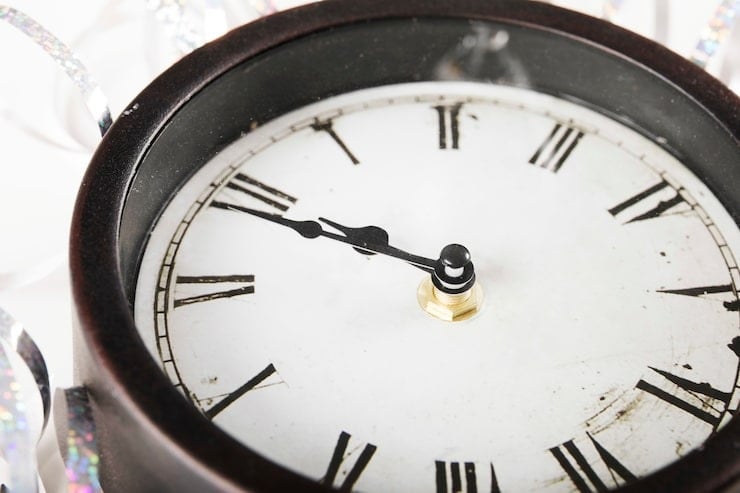
All watch dial materials change with age—there’s no such thing as a dial that stays frozen in time.
The real question isn’t whether a dial will age, but how it ages, and whether those changes are cosmetic, acceptable, or structurally risky.
Some aging is gradual and expected. Other changes signal accelerated wear or damage that affects readability, reliability, or long-term serviceability.
Painted dials can fade under prolonged UV exposure. Enamel resists color change but may crack from impact or internal stress. Mother of pearl slowly loses its sheen. Metal bases can oxidize if protective coatings fail. Once moisture enters the case, nearly all aging processes speed up dramatically.
Aging doesn’t automatically mean failure. In many cases, it adds character. The key is recognizing when aging remains cosmetic—and when it starts to compromise the dial itself.
Some dial materials show wear in ways that are hard to ignore, especially when a watch sees regular wrist time. These materials aren’t poor choices, but they demand more realistic expectations and more careful use.
Highly polished black lacquer highlights dust, fingerprints, and micro-scratches almost immediately.
If you wear your watch every day, this finish rarely looks clean for long. Even careful handling won’t prevent visible wear from building up over time.
Mother of pearl loses luster with frequent contact.
What appears rich and iridescent at first can look flat after years of daily wear. The material simply isn’t designed for constant friction against sleeves, skin, and environmental exposure.
Stone and enamel do not flex under stress.
Instead of bending, they crack. One hard knock—especially on a daily-worn watch—can permanently end a dial’s usable life.
Ultra-black coatings create dramatic visuals by absorbing light.
The trade-off is legibility. In real-world lighting, contrast often drops, making these dials harder to read as conditions change throughout the day.
You should replace a watch dial when damage affects legibility, alignment, or long-term stability—not surface appearance alone.
Light patina, even fading, or aged lacquer can often be left alone. Once a dial is structurally compromised, replacement is usually safer.
Replacement makes sense when you see:
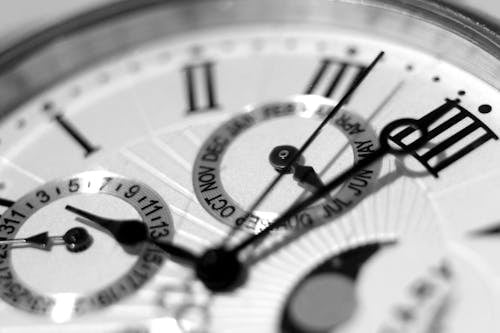
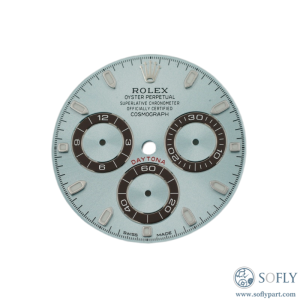
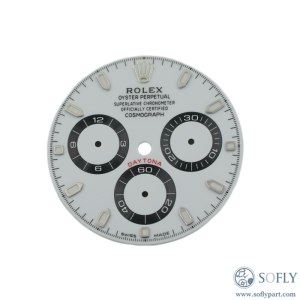
Chronograph and multi-layer dials are especially sensitive. Sub-dials require precise cutouts, correct dial thickness, and stable materials. Even small distortions can lead to hand clearance problems, misalignment, or unreliable chronograph operation.
This is why sourcing the correct replacement dial matters as much as deciding to replace it. Parts suppliers like Sofly Part focus on accurate dimensions and movement compatibility, helping reduce fit issues that often appear only after assembly.
Dial material does not determine water resistance.
Water resistance depends on gaskets, case construction, and how well the watch is sealed—not the dial itself. That said, once moisture enters the case, dial material makes a big difference. Enamel and stone dials are far less forgiving after humidity exposure, often showing permanent damage long before metal-based dials do.
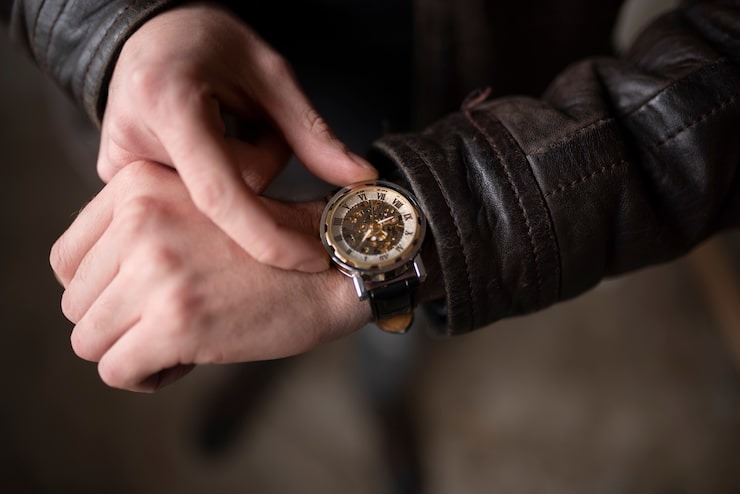
Before choosing a dial material, be honest about how the watch will actually be worn—not how you imagine wearing it.
If this is a daily companion, durability and legibility should outweigh rarity. Matte or lightly textured metal dials tend to stay readable and presentable with constant use.
If the watch only comes out on weekends or special occasions, visual impact can take priority. Materials like enamel, mother of pearl, or stone make sense here, as long as you accept the trade-offs.
Most long-term disappointment comes from a mismatch between material and lifestyle. Choose for how you live, not for how the watch looks on day one.
Most use a metal base, though the visible surface may be enamel, mother of pearl, stone, or other materials.
Lacquered or textured metal dials handle daily wear best.
They resist fading but crack under sharp impact.
Yes. Matte and textured finishes reduce glare.
Yes. Chronograph dials demand especially stable materials to maintain alignment.
Watch dial materials shape far more than appearance. They influence durability, aging, legibility, and how a watch fits into your daily life.
Once you understand what your dial is made of, choosing the right watch—or sourcing the right replacement parts—becomes much easier. If you wear a watch every day, simpler materials usually age more gracefully. If this is a special piece, character and rarity may be worth the trade-offs.