
The main difference in the VK63 vs VK64 comparison is the running seconds display. The Seiko VK63 movement has a small seconds hand at 6 o’clock and uses three subdials. The Seiko VK64 movement has no running seconds hand and uses two subdials. Both provide a central 1/5-second chronograph, a 60-minute counter, a 24-hour indicator, and a date while sharing the same basic movement dimensions and battery specification.
The display layout makes the visual choice clear, but fitment still needs a closer look. When the VK64 chronograph is stopped, there is no continuously moving seconds hand to show at a glance that the watch is running. For either caliber, matching the outside dimensions is only the starting point; the dial, hands, date position, stem, pushers, and casing components must suit the exact movement reference.
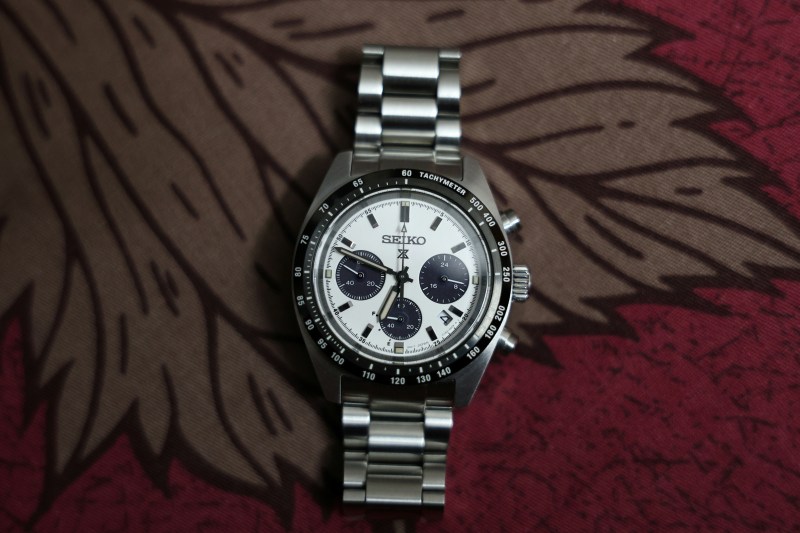
VK63 adds a running small seconds display, while VK64 removes that display for a less crowded dial. Their chronograph capacity and core timekeeping specifications are otherwise closely matched.
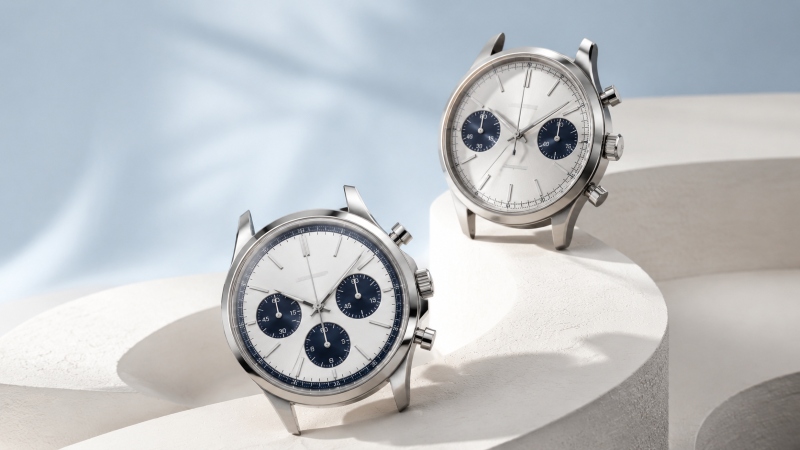
According to the official TMI VK63 technical guide and TMI VK64 technical guide, both calibers are 13 1/2 ligne premium quartz chronograph movements. The table below brings the shared specifications and the functional differences together.
Feature | VK63 Movement | VK64 Movement | What It Means for You |
Dial Layout | Three subdials | Two subdials | VK63 looks busier; VK64 leaves more open dial space |
Running Seconds | Small seconds at 6 o’clock | No running seconds display | A VK64 dial may appear still when the chronograph is off |
Central Chronograph | 1/5-second hand | 1/5-second hand | Both show elapsed seconds from the center |
Minute Counter | 60 minutes at 9 o’clock | 60 minutes at 9 o’clock | Both time up to 60 minutes per cycle |
24-Hour Indicator | 3 o’clock | 3 o’clock | Both show the current hour on a 24-hour scale |
Date | Included | Included | The dial must match the date position of the selected reference |
Outside Size | 30.80 x 29.10 mm | 30.80 x 29.10 mm | Both occupy the same basic movement envelope |
Casing Diameter | 29.00 mm | 29.00 mm | A compatible holder still depends on the case design |
Height | 5.10 mm | 5.10 mm | Neither caliber has a thickness advantage |
Accuracy | Less than +/-20 seconds per month | Less than +/-20 seconds per month | Neither has an accuracy advantage in the official rating |
Battery | SR936SW | SR936SW | Both use the same silver oxide battery type |
Rated Battery Life | About 3 years | About 3 years | TMI bases this figure on 60 minutes of chronograph use per day |
The practical choice comes down to the dial and the way you want the watch to look at rest. VK63 gives you visible movement through its small seconds hand. VK64 looks calmer because its central chronograph hand stays at zero until you start timing.
VK63 and VK64 use their 3 o’clock and 9 o’clock subdials for the same functions. The difference is at 6 o’clock, where VK63 displays running small seconds and VK64 has no corresponding seconds hand.
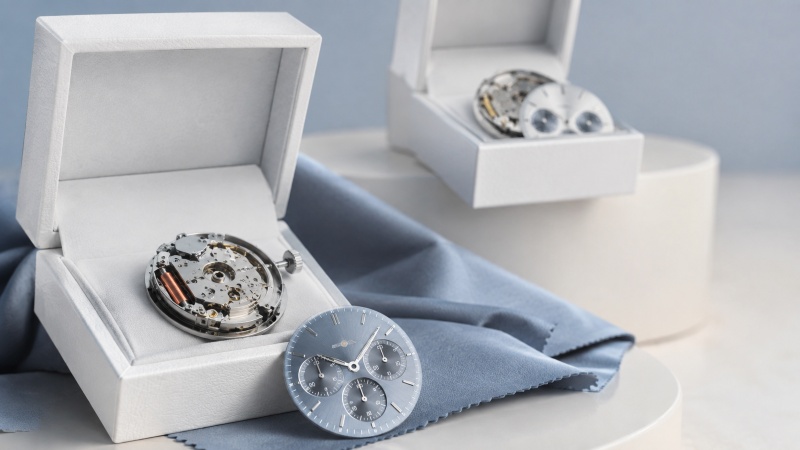
The Seiko VK63 movement has subdials at 3, 6, and 9 o’clock. The hand at 3 o’clock is a 24-hour indicator linked to regular time. It helps distinguish the first and second half of the day; it is not an elapsed-hours counter for the chronograph.
The small seconds hand at 6 o’clock runs during normal timekeeping, including when the chronograph is stopped. The subdial at 9 o’clock is the chronograph minute counter and records up to 60 elapsed minutes.
The long central hand displays chronograph seconds in 1/5-second steps. The upper pusher starts and stops the chronograph, and the lower pusher returns the chronograph hands to zero after timing has stopped. TMI identifies instant zero reset as one of the mechanical-style functions of the VK series.
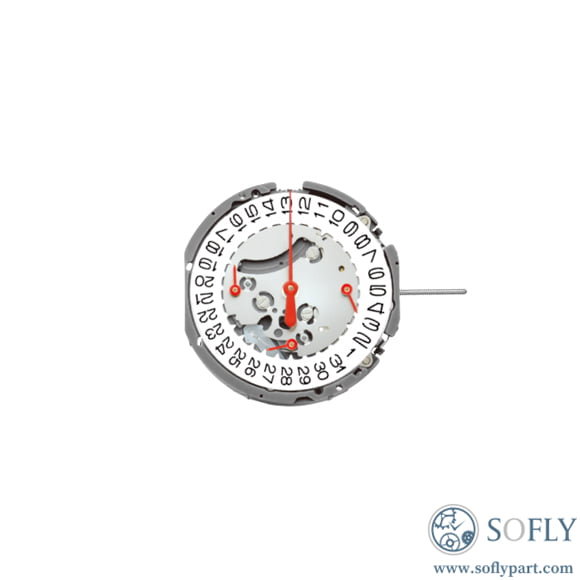
The Seiko VK64 movement displays regular time with central hour and minute hands but has no dedicated running seconds hand. Its 3 o’clock subdial indicates 24-hour time, while the 9 o’clock subdial records chronograph minutes.
When the chronograph is stopped, the central 1/5-second hand remains at zero. The movement continues to keep time through the hour and minute hands, so the absence of visible seconds movement is normal for this caliber.
Both VK63 and VK64 can record up to 60 elapsed minutes in one timing cycle. Their 24-hour subdial follows regular time and does not function as a chronograph hour counter.

Some parts may work with both VK63 and VK64, but their shared movement dimensions do not make the two calibers universally interchangeable. Each component still needs to match the selected movement reference, display layout, hand height, and case construction.

Component | Shared Starting Point | What You Still Need to Verify |
Case | Both movements measure 30.80 x 29.10 mm and have a 29.00 mm casing diameter | Casing ring or spacer, crown and stem line, pusher contact points, internal clearance, and hand clearance |
Dial | Both place the 24-hour indicator at 3 o’clock and the 60-minute counter at 9 o’clock | VK63 also requires a small seconds opening at 6 o’clock; check the date aperture, dial feet, diameter, and mounting clearance |
Hour and Minute Hands | Both calibers are available in TMI’s L and LL hand-height configurations | Fitting-hole diameter, hand length, selected hand-height version, and clearance between the dial, hands, and crystal |
Subdial Hands | The 3 o’clock and 9 o’clock displays perform the same functions | Hole size, hand length, height, and the additional 6 o’clock small seconds hand required by VK63 |
Central Chronograph Hand | Both use a central 1/5-second chronograph hand | Fitting-hole diameter, length, weight, balance, and clearance below the crystal |
Stem and Crown | Both use a crown-operated time-setting system | Stem specification, finished stem length, crown connection, and alignment with the case tube |
Movement Spacer or Casing Ring | Both share a 29.00 mm casing diameter | Retention geometry, movement orientation, stem alignment, pusher alignment, and available case clearance |
The dial is the most obvious compatibility boundary. A VK63 dial needs a 6 o’clock opening and scale for the running small seconds hand, while a VK64 dial does not. Both also require correctly positioned 3 o’clock and 9 o’clock subdials and a date aperture that matches the full movement reference.
Hand compatibility must be checked against the exact movement version. Although both calibers are available with L and LL hand-height configurations, this does not mean every VK handset will fit every version. The fitting holes, dial thickness, hand stack, hand lengths, and space beneath the crystal all affect the finished installation.
Case selection requires the same part-by-part check. The case must accommodate the movement and its casing ring or spacer while positioning the crown and both chronograph pushers correctly. Start with a case designed for the intended VK configuration, then confirm the dial, hands, stem, and internal retention components before ordering the complete build.
Choose the VK63 movement if you want three subdials and a running small seconds display at 6 o’clock. Choose the VK64 movement if you want a two-subdial layout and accept that no seconds hand will move continuously while the chronograph is stopped.
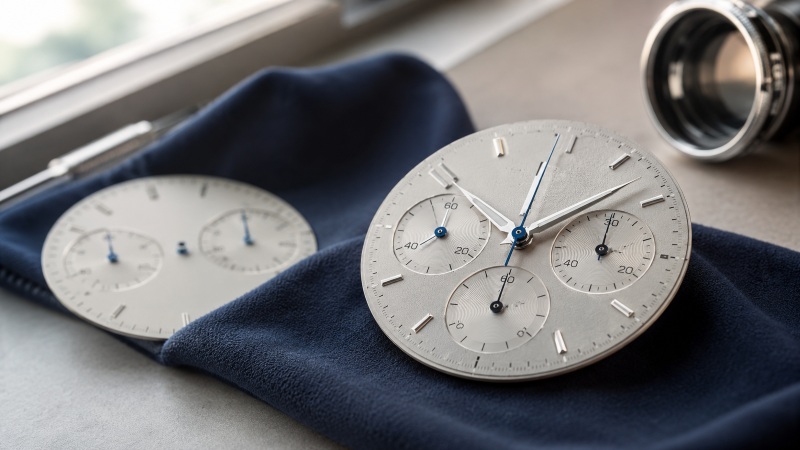
For a replacement, the safest choice is normally the same full caliber reference already fitted to the watch. Check the movement marking or reliable service information rather than identifying the caliber from the exterior alone. Matching the original reference helps preserve the existing dial layout, date position, hand count, hand-height configuration, stem alignment, and pusher operation.
For a new build, make the display layout your first decision and verify the surrounding components before buying the movement. VK63 provides an immediate visual indication that the watch is running. VK64 removes that indication, so its stationary chronograph hand should not be mistaken for a stopped watch. If this difference is difficult to judge from dial drawings, compare powered examples before committing to a dial and handset.
Both movements provide a 60-minute chronograph rather than an elapsed-hour counter. If the project needs timing beyond 60 minutes, neither caliber meets that requirement. Otherwise, the better choice is the movement whose display functions and exact reference match the complete set of case, dial, hands, stem, and casing components you intend to use.

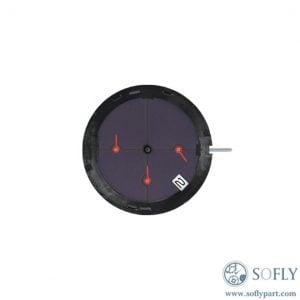


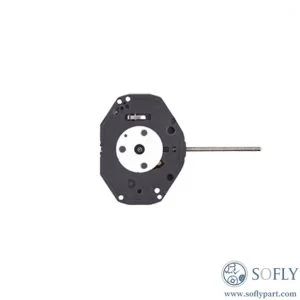
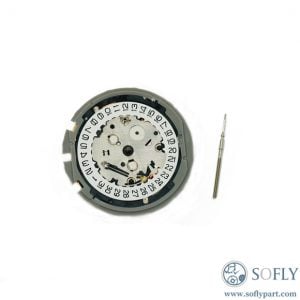
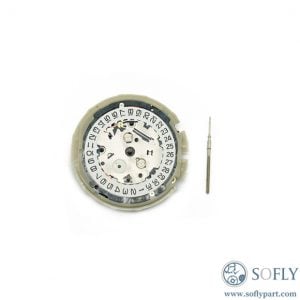
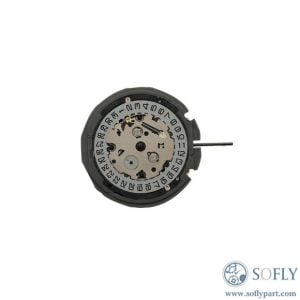
Both movements are available from Soflypart. Choose the TMI/Hattori Seiko VK63 Quartz Movement if a continuously moving small seconds hand belongs in your design. Choose the TMI/Hattori Seiko VK64 Quartz Movement if you are building around a two-subdial layout and are comfortable without a visible running seconds display.
The better movement is not simply the one with more or fewer hands. It is the one whose display behavior and complete reference agree with your dial, case, hands, date position, stem, and casing components.
Once those parts tell the same story, you can move from comparing specifications to building a watch that looks and works the way you intended. You can browse Soflypart’s Seiko watch movements category to compare available listings by caliber, then choose the movement that brings that design together.
No. VK63 and VK64 are battery-powered quartz chronograph movements. Their mechanical-style chronograph action and instant hand reset do not make them automatic movements.
Current manufacturer documents use the TMI brand and identify the company with the Seiko Group, while Hattori also appears in seller product titles. Use the full caliber reference when ordering rather than relying on the brand name alone.
VK67 has a 12-hour chronograph counter. VK63 and VK64 record up to 60 elapsed minutes and do not measure elapsed hours.