
Seiko watch movements look confusing when you first run into the caliber names. You start with one simple question—“What movement is in this watch?”—and five minutes later you’re staring at 4R36, 6R35, 6R54, 8L35, Spring Drive, and Grand Seiko’s 9S, 9R, and 9F families. The easiest way to make sense of it all is to stop treating those numbers like random codes and start grouping them by movement family. Once you do that, Seiko becomes much easier to read.
In this guide, we’ll walk through the main Seiko movement families, explain the calibers buyers actually run into, and help you choose the right Seiko movement for your budget, style, and expectations.
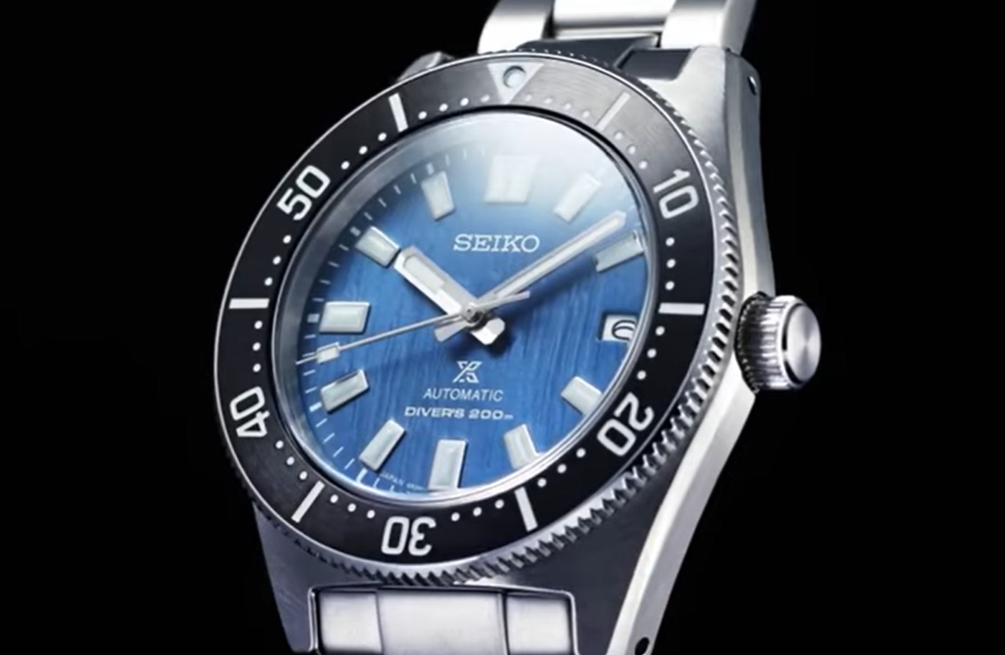
Seiko watch movements matter because Seiko builds across almost every major type of watch movement, from everyday quartz to Spring Drive and Grand Seiko mechanical calibers.
That range gives Seiko a very unusual place in the watch world. A lot of brands are strong in one lane. Seiko is active in several. You can buy a simple quartz daily watch, a solar watch you barely need to think about, a solid entry-level automatic, or a far more advanced movement higher up the range without leaving the wider Seiko ecosystem.
That also means movement choice is a real part of the buying decision. When you shop for a Seiko 5, Presage, Prospex, or Grand Seiko, you are not just choosing a dial and case. You are also choosing how the watch is powered, how accurate it is likely to be, how much maintenance it asks from you, and how it feels to own over time.
Seiko is easiest to understand when you start with the big movement families first. For most buyers, that means Automatic, Quartz, Solar, and Spring Drive. Kinetic still belongs in the broader Seiko story, but it makes more sense as a technology side note than as the first thing most people compare when they shop.
These are traditional mechanical movements powered by a mainspring. Some are basic, dependable entry points. Others move into much more premium territory.
These are battery-powered movements built around convenience and accuracy. If you want something simple and dependable, this is still one of the strongest categories Seiko offers.
Solar movements are quartz-based, but they charge from light. That means you keep the accuracy and ease of quartz without thinking about routine battery changes as often.
Spring Drive uses a mainspring like a mechanical watch, but it regulates time electronically with a quartz oscillator. That is why the seconds hand glides instead of ticking, and why Spring Drive feels different from a normal mechanical watch.
Kinetic converts wrist movement into electrical energy. It is part of Seiko’s technical history, and it is still worth knowing, especially if you are shopping older models or trying to understand Seiko’s broader innovation story.
Once you look at Seiko this way, the lineup gets much easier to follow. You are no longer asking, “Is this random caliber good?” You are asking a much better question: “Which Seiko movement family actually fits the way I wear a watch?”
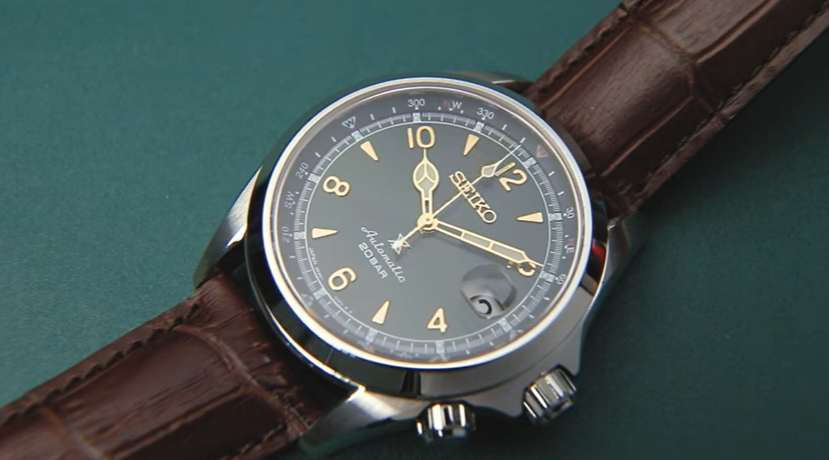
If you are buying a mechanical Seiko, a handful of automatic families cover most of what buyers really need to know.
The 7S family is the older Seiko automatic foundation that many collectors first met through classic Seiko 5 models. If you have spent time around older budget Seikos, you have probably already crossed paths with 7S26 or 7S36.
Collectors usually treat 7S as the old baseline because it does the basics well, but it does not offer the same convenience features that later Seiko automatics became known for.
The 4R family is the modern practical center of Seiko’s automatic lineup. For many buyers, it is the easiest Seiko mechanical movement to recommend because it gives you the features people actually care about in daily wear: manual winding, hacking, and solid all-around reliability.
That is why 4R36 shows up so often in Seiko 5 Sports conversations. It is not trying to be luxurious. It is trying to be useful, and it does that job very well.
The 6R family sits above 4R and feels like a real step up, especially if you rotate watches. The biggest practical improvement is power reserve. That is one spec people really do notice in normal life. A watch that can sit longer before stopping is simply easier to live with.
For many buyers, 6R is the point where Seiko starts to feel more ambitious without jumping into a completely different price world.
If you want a mechanical GMT, 6R54 is one of the names worth learning early. It adds a second time zone display and keeps the longer reserve that makes the 6R family appealing in the first place.
That makes it a very practical option for travelers or anyone who just likes the GMT format and actually plans to use it.
The 8L family sits above the usual 4R and 6R conversation. This is where Seiko’s more serious mechanical diver positioning starts to show.
If 4R is the everyday automatic and 6R is the enthusiast step up, 8L is the point where the mechanical side of Seiko starts to feel more purpose-built and premium.
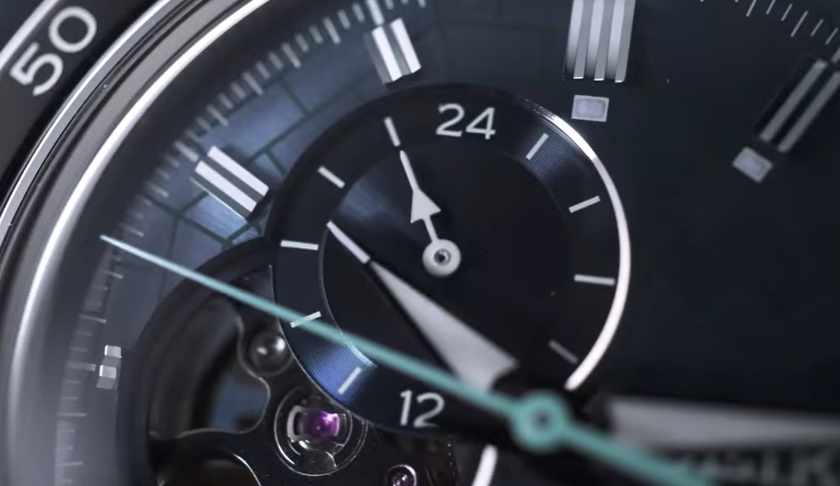
The short answer is that these four families sit at different levels of Seiko’s mechanical ladder.
Here is the simple breakdown:
In day-to-day use, the biggest differences usually come down to four things:
That is the part many buyers overcomplicate. On paper, caliber numbers can look intimidating. On your wrist, the ownership differences are usually much simpler.

Quartz and Solar are Seiko’s easiest low-maintenance movement choices, while Kinetic is more of a Seiko technology story than a mainstream first pick for most buyers today.
Quartz is still one of the smartest answers if you want accuracy and convenience. You pick it up, set it when needed, and go about your day. There is a reason quartz never stopped making sense.
Solar is one of Seiko’s strongest practical categories. For a lot of buyers, it is the sweet spot between accuracy and low maintenance. You still get quartz convenience, but you spend less time thinking about battery changes.
That is exactly why movements like V157 get attention. They suit people who want a watch that just works without demanding much from them.
Kinetic matters because it shows how often Seiko pushed past the usual mechanical-versus-quartz debate. It is not the first family most new buyers choose today, but it is still an important part of Seiko’s technical identity and worth understanding if you want the full picture.
One more thing here: quartz and solar are not “less serious” choices. They are simply better answers for different people.
Spring Drive feels different because it uses a mainspring for power but controls time electronically, so you get a smooth seconds-hand glide and much tighter accuracy than a normal mechanical watch.
That combination is what makes people stop and explain Spring Drive with their hands. It looks mechanical. It is powered like a mechanical watch. But it does not behave like a normal escapement-driven movement.
And yes, the glide matters. It is not a throwaway marketing detail. It is the visible clue that Spring Drive regulates time in a very different way.
If you have never seen one in person, the easiest way to think about it is this: it sits in the space between mechanical romance and quartz-style precision, but it never feels like a cheap compromise.
If you want this guide to feel complete, you cannot skip Grand Seiko. It sits inside the wider Seiko movement story, but it represents a much more premium branch of it.
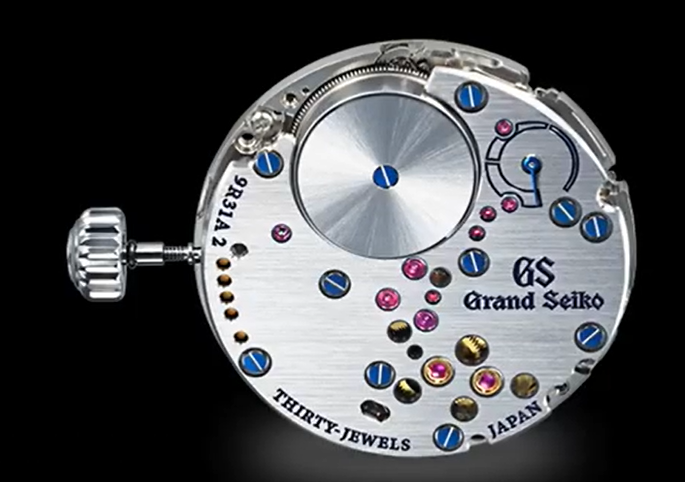
That matters because Grand Seiko is not simply “better-finished Seiko.” It has its own movement families, its own standards, and its own identity. The three core families—9S Mechanical, 9R Spring Drive, and 9F Quartz—cover some of the most respected calibers anywhere under the Seiko umbrella.
You do not need to dive into every Grand Seiko reference number. You just need to understand what these three families are, because they explain why Seiko’s movement story is much bigger than most people first assume.
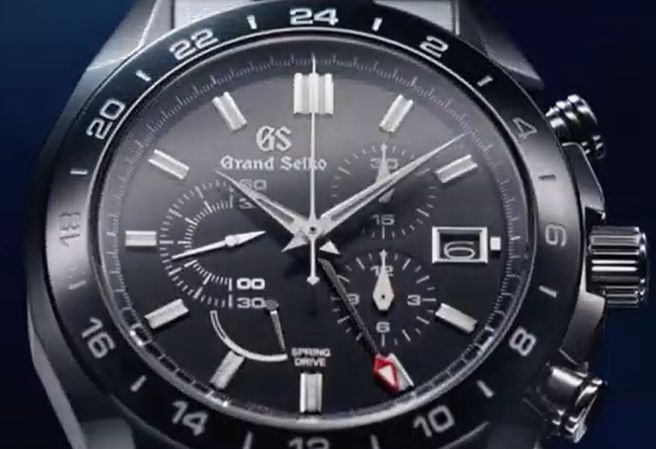
If you want the Grand Seiko side of the story without getting buried in references, start with 9S, 9R, and 9F.
9S is Grand Seiko’s mechanical foundation. If you want the classic luxury mechanical side of Grand Seiko, this is where the conversation begins.
A model like 9S65 represents that core well. It gives you a strong balance of refinement, power reserve, and everyday usability. Higher up the range, 9SA5 is one of the headline modern developments because it brings an 80-hour reserve to a high-beat movement, which is no small thing.
9R is often the answer when collectors talk about the signature Grand Seiko experience. It gives you mainspring-powered watchmaking, but with much higher real-world accuracy than a typical mechanical movement.
That is why 9R65 gets so much attention. You get the glide, the accuracy advantage, and the feeling that you are wearing something genuinely different rather than just “a nicer automatic.”
9F is the family that shuts down the lazy idea that quartz has to be ordinary. Grand Seiko treats quartz like a serious high-end discipline, not a budget shortcut.
If your top priority is accuracy, convenience, and finishing quality, 9F is one of the strongest luxury quartz answers anywhere in watchmaking.
Movement | Type | Why People Care |
7S26 / 7S36 | Automatic | Older Seiko entry-level mechanical foundation |
4R36 | Automatic | Modern everyday Seiko workhorse with hacking and manual winding |
6R35 | Automatic | Longer reserve and a clear step up from 4R |
6R54 | Automatic GMT | Practical GMT option with a three-day reserve |
8L35 | Automatic | Higher-end diver-focused mechanical movement |
V157 | Solar | Low-maintenance solar option with long running time when charged |
9S65 | Grand Seiko Mechanical | Core luxury mechanical Grand Seiko caliber |
9R65 | Grand Seiko Spring Drive | Signature Spring Drive blend of precision and smooth motion |
9F | Grand Seiko Quartz | High-accuracy luxury quartz |
The best Seiko movement depends on how you actually wear your watches, not on which caliber gets the most forum praise.
Here is the practical shortlist:
This is where a lot of people save themselves money. If you just want a solid daily automatic, 4R may already be enough. If you rotate watches, the longer reserve of 6R starts to make more sense. If you want something accurate and low-drama, Solar or 9F may suit you better than a more expensive mechanical option.
In other words, stop chasing abstract rankings. Match the movement to your habits.
Before you get pulled into movement debates, check the features that actually affect daily use.
This matters if you like setting your watch precisely. When the seconds hand stops during time-setting, it is easier to line the watch up exactly.
Some buyers do not think much about this at first, then realize they care once they own the watch. Being able to wind the watch by hand is simply more convenient.
This is one of the most noticeable specs in normal life. A watch that runs about 41 hours behaves very differently from one that can keep going for 70 or 72 hours after you set it down.
Be honest with yourself here. Do you actually want an automatic? Or do you want quartz, solar, or Spring Drive? A lot of movement debates are really lifestyle debates wearing a technical disguise.
The easiest way to identify the movement in your Seiko watch is to check the case back for the caliber code and look it up from there.
That step matters more than many buyers realize. Collection names can be helpful, but they do not always tell the full story. Two similar-looking Seikos may use different calibers depending on the year, market, or sub-line.
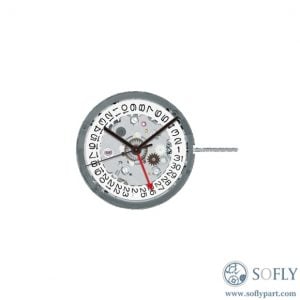
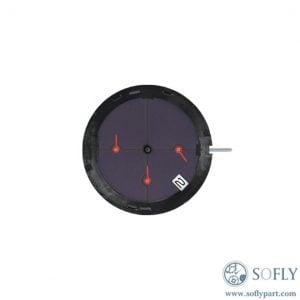
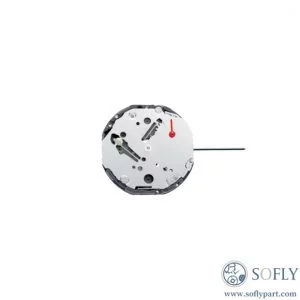
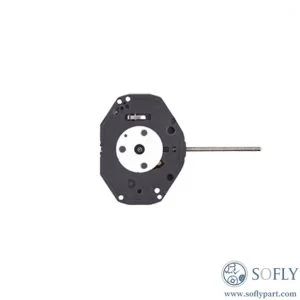
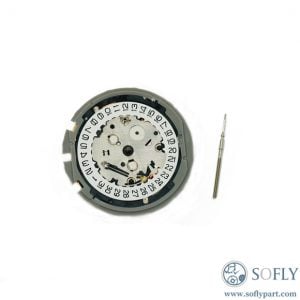
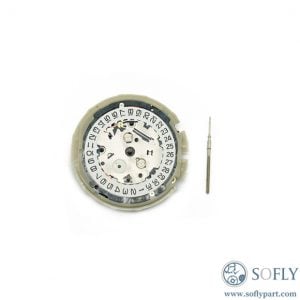
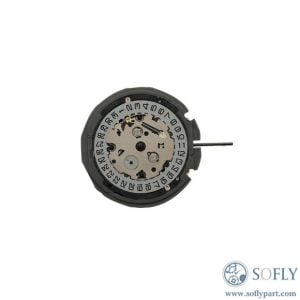
If you are trying to match that caliber code to a replacement movement or specific movement part, identifying the code first saves you a lot of time. It also makes browsing suppliers like Soflypart much easier because you can search with a clear target instead of guessing from the watch name alone.

Most people get Seiko movements wrong in three common ways.
They do not. A 7S-based watch, a 4R watch, a 6R watch, and an 8L watch can all offer very different ownership experiences.
Quartz is not automatically the “cheap” choice. Grand Seiko’s 9F is the clearest proof of that.
A more expensive caliber is not always the better buy for your life. If what you really want is grab-and-go ease, a Seiko Solar model may be a smarter choice than a pricier mechanical watch that demands more attention.
For modern mainstream Seiko mechanical watches, 4R36 is one of the most widely recognized and most practical calibers to know.
For most modern buyers, yes. The biggest reason is convenience. 4R adds manual winding and hacking, which make daily use easier.
Yes, if you care about a longer power reserve and a more premium place in the lineup. No, if you simply want a dependable everyday automatic and do not need more than that.
Inside the wider Seiko family, Grand Seiko’s 9F is the standout high-end quartz answer.
It does not sit neatly in either box. It uses a mainspring for power, but it regulates time electronically with a quartz oscillator.
Check the caliber code on the case back first. That is the fastest and most reliable place to start.
Seiko watch movements get much easier once you stop staring at caliber numbers in isolation and start with the families. Automatic, Quartz, Solar, Spring Drive, and then Grand Seiko’s 9S, 9R, and 9F give you a much cleaner map of the brand.
For most buyers, the shortlist is simple. Go with 4R if you want accessible automatic value. Move to 6R if you want a stronger daily mechanical experience. Look at 8L for more serious Seiko diver territory. Choose Solar if convenience matters more than mechanical charm. And if you want the two standout Grand Seiko paths, start with 9R for Spring Drive and 9F for accuracy-first luxury quartz.
Use that framework, and Seiko becomes much easier to shop. And if you already own a Seiko and are trying to identify a caliber before sourcing movement parts, replacement movements, watch parts, or basic watchmaker tools, Soflypart is a practical place to start.